





What Are the Orionids?
The Orionid meteor shower is an annual event that occurs when Earth passes through the stream of debris left behind by Halley's Comet (1P/Halley). While the comet itself only visits the inner solar system every 76 years—its next appearance is in 2061—we
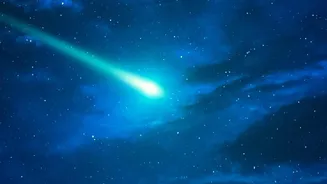
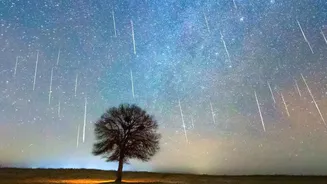
get to see the cosmic dust trail it leaves behind every October. These tiny particles, many no bigger than a grain of sand, burn up upon entering our atmosphere at incredible speeds of around 66 kilometres per second, creating the spectacle we call shooting stars. The Orionids are known for being particularly fast and bright, sometimes leaving glowing trails that can last for several seconds.
Key Dates and Peak Viewing Times
The Orionid meteor shower is active from early October to early November. However, the best time to watch is during its peak, which in 2026 will occur on the night of October 21-22. While you might see some meteors on the nights leading up to and following this date, your chances are highest during the peak. The ideal time for viewing is in the dark hours after midnight and before dawn. This is because the part of Earth you are on is facing forward into the stream of meteoroids, much like a car driving into rain.
The Challenge: A Bright Moon
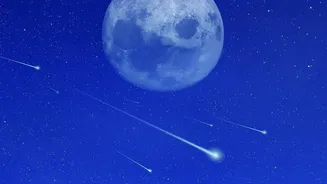
There is one significant challenge for stargazers in 2026: a bright waxing gibbous moon will be present in the sky for much of the night during the peak. This moonlight will wash out the fainter meteors, reducing the number you are likely to see. However, not all is lost. The moon will set in the early morning hours, creating a window of darker skies just before dawn. This pre-dawn period on the morning of October 22 will be the absolute best opportunity for viewers in India to catch the show.
Where to Look in the Sky
The meteor shower gets its name because the meteors appear to radiate from a point in the constellation Orion. You can find Orion in the eastern sky after midnight. Look for the three bright stars that form its famous 'belt'. While the meteors will seem to originate from this area, they can appear anywhere in the sky. Therefore, you don't need to stare directly at the constellation. The best technique is to find a comfortable position, lie back, and look straight up, taking in as much of the sky as possible.
Tips for the Best Viewing Experience in India
To maximise your chances of seeing shooting stars, follow these simple tips. First, get away from city lights. Light pollution from cities drastically reduces visibility. Find a dark spot in the countryside, a park, or even a less-lit terrace with a wide-open view of the sky. Second, be patient. It takes about 20-30 minutes for your eyes to fully adjust to the dark, and you'll see more meteors once they have. Put your phone away, as its bright screen will ruin your night vision. Finally, get comfortable. You don't need a telescope or binoculars, as your naked eyes are best for scanning the wide sky. Bring a blanket or a reclining chair, dress warmly, and settle in for the celestial performance.