


The Vision of UDAN
The Ude Desh ka Aam Nagrik (UDAN) scheme was launched with a clear mission: to make air travel accessible to the common citizen and connect India’s vast, underserved regions. By subsidising flights on new routes and developing regional airports, it has
already transformed connectivity for many smaller towns. The Modified UDAN scheme, approved in March 2026, promises to accelerate this by developing 100 new aerodromes over the next decade, further strengthening last-mile connectivity across the nation.
Why Seaplanes Are a Game-Changer
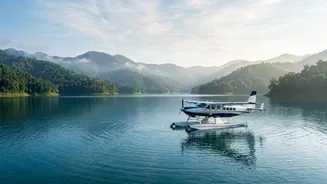
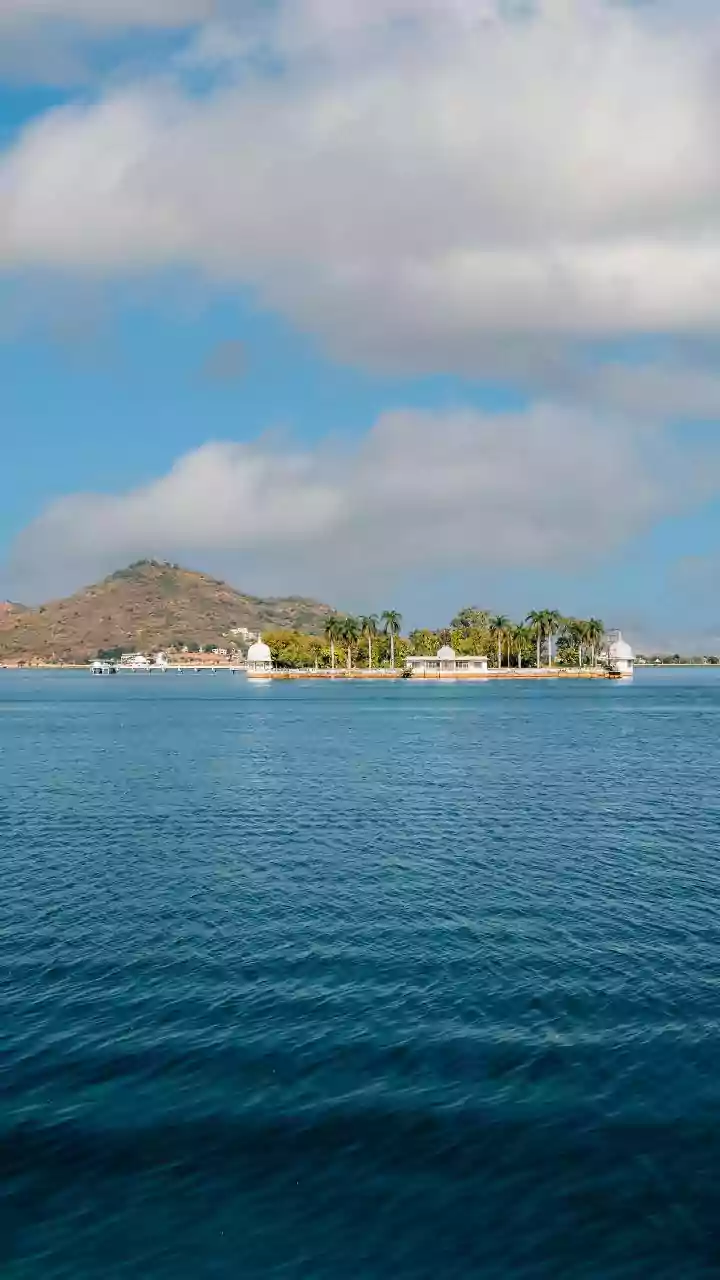
India, with its 7,500-kilometre coastline, numerous rivers, and vast reservoirs, is geographically perfect for seaplane operations. These versatile aircraft can land on water, eliminating the need for expensive and land-intensive traditional airport infrastructure. This unique capability allows them to connect major city airports directly to remote waterfront destinations, such as island resorts, lakeside hotels, and backwater retreats, that were previously hours or days away by road. The government has identified the potential, with plans for around 150 new seaplane routes under the UDAN programme.
New Horizons: Lakshadweep and Beyond
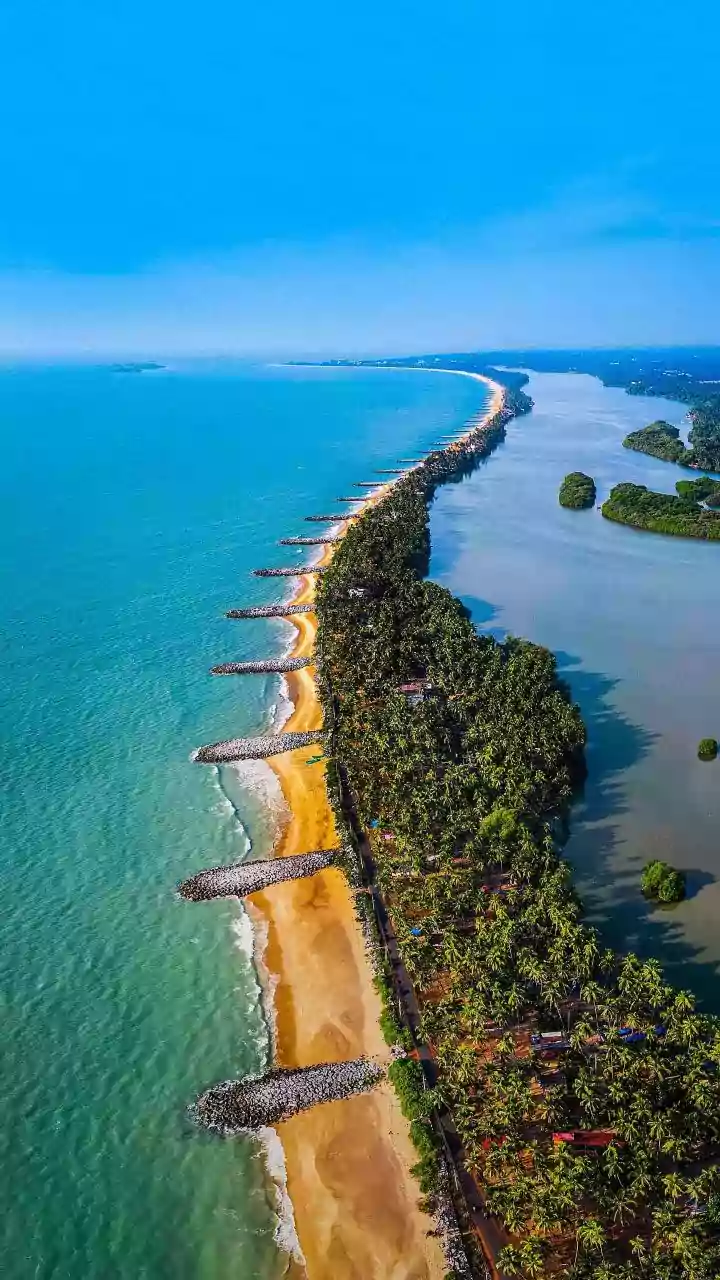
The most significant recent development is the launch of services connecting the mainland with the pristine Lakshadweep archipelago. New operator SkyHop Aviation has received its license to run commercial seaplane flights, with initial routes connecting Kochi with islands like Agatti, Kavaratti, Kalpeni, and Kadmat. A journey that once took a lengthy ferry ride can now be completed in roughly 80 minutes, promising a massive boost for tourism in the region. Following successful trials, these services are seen as a model for future expansion in other tourism-rich areas like the Andaman & Nicobar Islands, the backwaters of Kerala, and reservoirs in Assam and Telangana.
The Passenger Experience
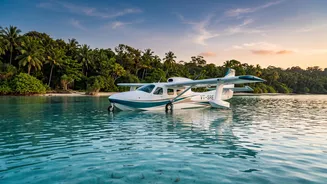
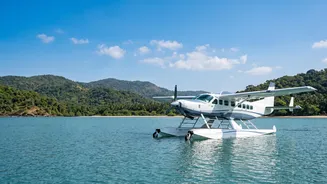
Flying in a seaplane is an experience in itself. These smaller, often 19-seater aircraft like the DHC-6 Twin Otter, offer a more intimate journey with stunning low-altitude views of the landscape below. The real magic, however, is in the arrival. Passengers will disembark from floating docks or jetties directly at their resort or a water aerodrome, turning a tedious transfer into a seamless and scenic part of their holiday. This transforms the entire travel experience from a logistical challenge into an exciting adventure from the very start.
Boosting Boutique and Eco-Tourism
These new flight lines are not just about convenience; they represent a strategic push towards high-value, sustainable tourism. By providing direct access, the UDAN scheme empowers smaller, boutique resorts in remote locations to attract more visitors without the need for large-scale road and airport construction nearby. This model, inspired by the success of seaplane networks in destinations like the Maldives, is expected to create local jobs and stimulate economies in areas that have been historically difficult to access. However, the expansion also brings challenges, including environmental concerns from fisherfolk and activists in ecologically sensitive areas like Kerala's backwaters, highlighting the need for careful planning and sustainable implementation.