






The Kingdom in the Sky
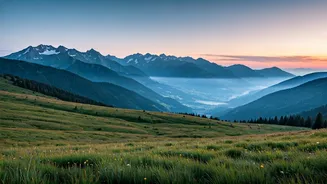
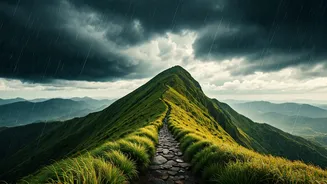
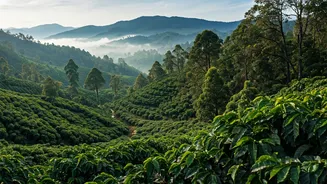
Lesotho is geographically unique. It is the only independent state in the world that lies entirely above 1,000 metres in elevation, and over 80% of the country is situated above 1,800 metres. This high-altitude landscape of basalt cliffs and sweeping
plateaus, carved by the Maloti and Drakensberg mountain ranges, creates the perfect stage for spectacular water features. The country is landlocked, completely encircled by South Africa, giving it a sense of profound isolation and preserving a culture closely tied to its mountainous environment. Here, water is not just a resource sold to its neighbour; it is the country's lifeblood, sculpting the gorges and valleys that give Lesotho its breathtaking character.
Maletsunyane: The Place of Smoke
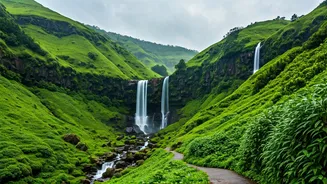
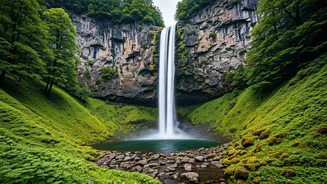
The undisputed star of Lesotho’s natural wonders is Maletsunyane Falls. This magnificent waterfall plunges an uninterrupted 192 metres (630 feet) from a ledge of Triassic-Jurassic basalt into a stunning gorge below. It is one of the highest single-drop waterfalls in Southern Africa, and its power is immense. The nearby town of Semonkong, which means 'The Place of Smoke', is named for the perpetual mist the falls kick up, a spray that can be seen from miles away, resembling a column of smoke rising from the earth. The roar of the water is a constant presence, a sound that local legends say is the wailing of souls who have drowned in the pool below. For the truly adventurous, the site holds the record for the world's longest commercially operated single-drop abseil, a staggering 204-metre descent alongside the face of the falls.
Beyond the Famous Plunge
While Maletsunyane commands the spotlight, it is far from the only jewel in Lesotho's crown. The country is threaded with rivers and streams that give way to a multitude of other impressive cascades. Ketane Falls, located in a more remote area, offers a quieter but equally dramatic experience with a drop of 122 metres over a wide, horseshoe-shaped cliff. Reaching it often involves a multi-day pony trek, offering an immersion into the rural Basotho way of life. Elsewhere, waterfalls like Lepaqoa Falls in Ts'ehlanyane National Park and a host of others in the southern region of Quthing demonstrate that the country's main character energy isn't derived from a single feature, but from an entire landscape shaped by falling water.
More Than Just a Pretty View
These waterfalls are more than just scenic attractions; they are a cornerstone of Lesotho’s identity and its burgeoning tourism economy. Tourism is a vital industry, and attractions like Maletsunyane are central to drawing international visitors. The Lesotho Tourism Development Corporation has even established systems to ensure local communities benefit from the influx of visitors, with a portion of the entrance fees collected at the falls being channelled back into community projects. These natural wonders provide opportunities for hiking, pony trekking, and cultural tours, allowing visitors to connect not just with the epic landscape but with the Basotho people whose lives are lived in its shadow. The waterfalls are a powerful symbol of a nation rich in natural beauty, a resource that is both carefully preserved and proudly shared.