



The Monsoon Danger Zone
The Indian monsoon is notorious for high humidity, which, combined with warm temperatures, creates an ideal breeding ground for harmful bacteria. This environment falls squarely into what food safety experts call the 'Temperature Danger Zone' — between
5°C and 60°C — where bacteria like Salmonella and E. coli can multiply rapidly on food. During the monsoon, the ambient moisture in the air accelerates this process significantly, meaning that food left on the kitchen counter is at a much higher risk of spoilage compared to drier months. This is why vigilance is crucial for preventing food poisoning and other illnesses during the rainy season.
The Two-Hour Rule, Now Tighter
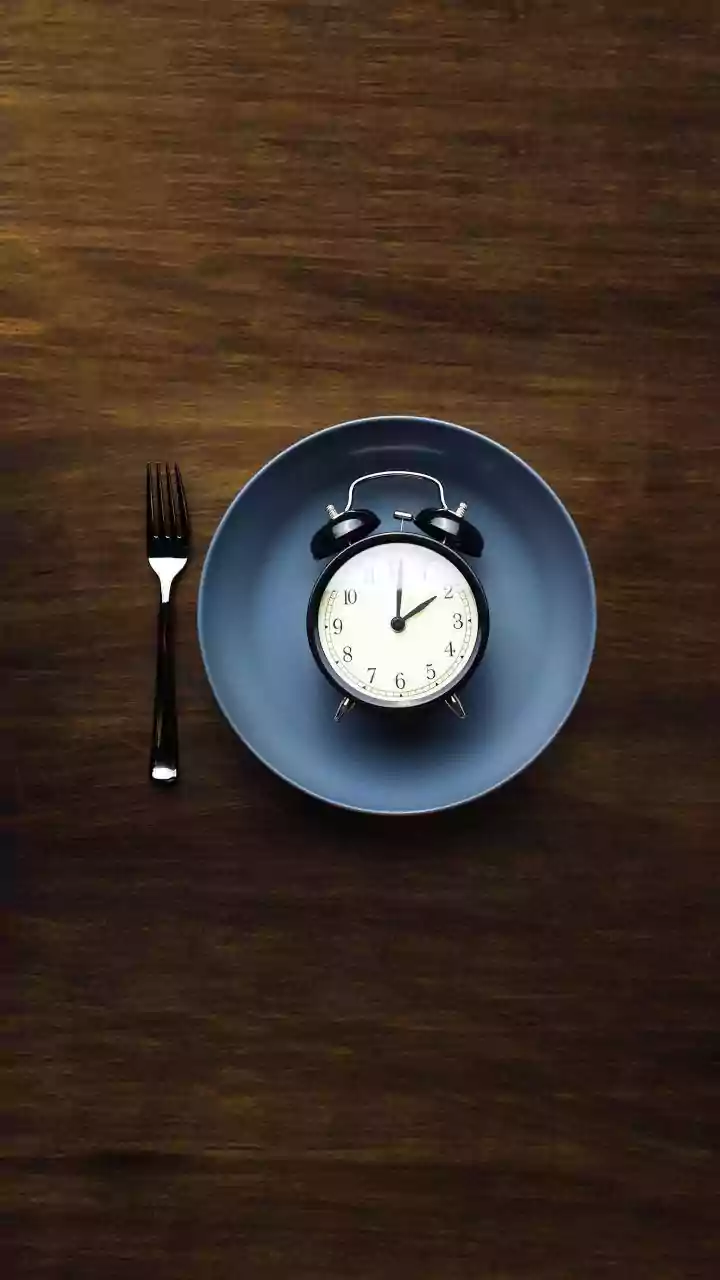
The universal food safety guideline is the 'two-hour rule': never leave cooked perishable food at room temperature for more than two hours. However, during the hot and humid Indian monsoon, this window shrinks considerably. Most experts, including the FSSAI, suggest that when temperatures are high (above 30°C), food should not be left out for more than one hour. This applies to almost all common household dishes, including cooked rice, dals, curries, and vegetable preparations. Since many Indian kitchens can easily reach these temperatures during the monsoon, adopting the one-hour rule is the safest approach to prevent bacterial overgrowth.
The Peril of Cooked Rice
Cooked rice deserves special attention. Raw rice can contain spores of a bacterium called Bacillus cereus, which are resistant to cooking heat. When cooked rice is left to cool at room temperature in a humid environment, these spores can germinate and produce toxins. Crucially, these toxins are heat-stable, meaning that even thorough reheating will not destroy them and make the rice safe to eat. This makes improperly stored cooked rice a common culprit for food poisoning. To stay safe, rice should be cooled and refrigerated within one hour of cooking during the monsoon.
Cooling Food Correctly Before Chilling
Putting a large, hot pot of dal or curry directly into the refrigerator is a common mistake. It can raise the internal temperature of the fridge, putting other stored foods at risk, and the food itself will cool too slowly. The key is to cool the food rapidly before refrigerating. You can do this by dividing large quantities into smaller, shallow containers which allows heat to dissipate faster. Placing the container in an ice-water bath or stirring it for a few minutes can also speed up the cooling process. The goal is to get the food out of the temperature danger zone and into the fridge, ideally below 5°C, as quickly as possible.
Smart Storage and Reheating
Once cooled, leftovers must be stored properly. Use clean, airtight containers to prevent cross-contamination from raw foods and to keep moisture out. According to FSSAI guidelines, raw meat, poultry, and seafood should always be stored on the bottom shelf of the refrigerator, below cooked foods. When it is time to eat, reheat leftovers thoroughly until they are steaming hot, reaching an internal temperature of at least 70-75°C to kill any bacteria that may have developed during storage. It is best to only reheat the portion you plan to eat, rather than heating and cooling the entire container multiple times.
When in Doubt, Throw It Out
This is the most important rule of food safety. Never taste food to check if it is still good. Many harmful bacteria and their toxins do not change the look, smell, or taste of food. If a cooked dish has been left out for more than two hours (or one hour in very hot weather), or if you are unsure how long it has been on the counter, it is safest to discard it. Signs of spoilage like a sour smell, slimy texture, or visible mould are clear indicators to throw the food away immediately. It is always better to be safe than to risk a nasty bout of food poisoning.