






The Perfect Single-Serving Solution
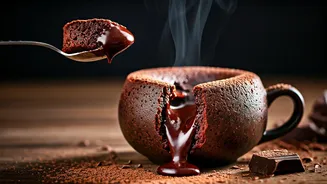
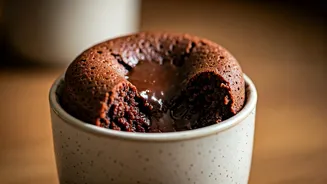
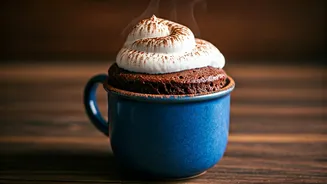
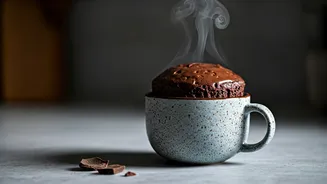
The beauty of the mug cake lies in its simplicity and speed. It's a single-serving dessert made by mixing a simple batter directly in a microwave-safe mug and cooking it for just a couple of minutes. The result is a surprisingly rich and satisfying cake that
requires minimal effort and almost no cleanup. Unlike a full-sized cake, it’s perfectly portioned to satisfy a sweet tooth without any leftovers. Using basic pantry staples, you can whip up this treat anytime, making it the ideal solution for late-night cravings or a quick dessert for one.
Your Core Ingredients
The foundation of a great mug cake is a balanced recipe. While many variations exist, this simple, egg-free formula provides a consistently moist and flavorful result. You will need: 4 tablespoons of all-purpose flour, 2 tablespoons of unsweetened cocoa powder, 2 to 3 tablespoons of sugar (to your liking), ¼ teaspoon of baking powder, a pinch of salt, 6 tablespoons of milk, 2 tablespoons of a neutral oil (like canola or vegetable), and 1 tablespoon of chocolate chips. Using oil helps the cake retain moisture longer than butter does. For the richest flavor, ensure your cocoa powder and baking powder are fresh.
The Two-Minute Method
First, combine all the dry ingredients—flour, cocoa powder, sugar, baking powder, and salt—in your mug. Stir them thoroughly with a fork to break up any clumps and ensure everything is evenly distributed. Next, add the wet ingredients: milk and oil. Stir everything together until a smooth, glossy batter forms, making sure to scrape the bottom and sides of the mug so no dry patches remain. Finally, stir in the chocolate chips. Place the mug on a small plate to catch any potential overflow and microwave on high. The cooking time is crucial and depends on your microwave's wattage, but a good starting point is 60 to 75 seconds.
How to Avoid Common Mug Cake Fails
The most common complaints about mug cakes are a rubbery texture, a dry consistency, or a messy overflow. Overcooking is the number one cause of a dry, tough cake. Microwaves cook incredibly fast, so it's better to undercook slightly. Cook in short intervals, checking for doneness. The cake is ready when the top looks set but is still slightly moist. A rubbery texture often comes from overmixing the batter, which develops too much gluten. Mix just until the ingredients are combined. To prevent the batter from overflowing, use a large mug (at least 12 ounces) and fill it no more than halfway.
Customise Your Creation
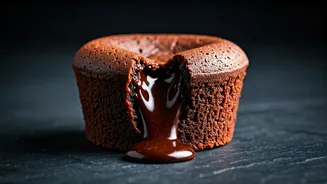
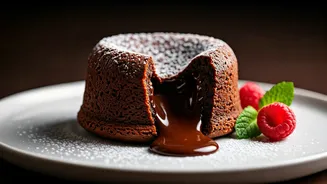
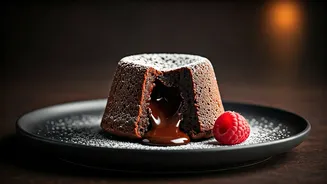
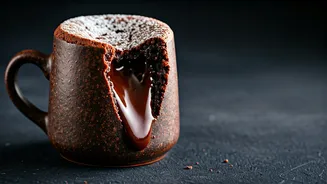
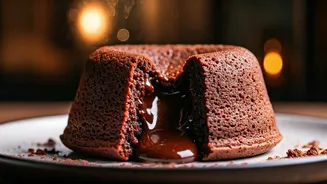
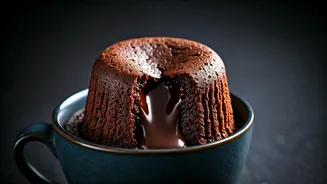
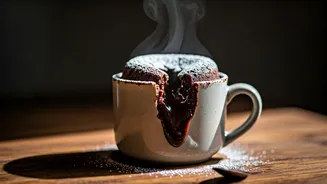
Once you've mastered the basic recipe, the possibilities for customisation are endless. For a molten lava cake effect, drop a spoonful of Nutella, peanut butter, or a piece of chocolate into the center of the batter before cooking. You can also add a pinch of cinnamon or a few drops of vanilla or peppermint extract to the batter for a different flavor profile. For added texture, consider mixing in chopped nuts or shredded coconut. To make the recipe vegan, simply use a plant-based milk like almond or oat milk. You can also top your finished cake with a scoop of ice cream, whipped cream, or a dusting of powdered sugar.