



The Sticking Point: A Fight Over Words
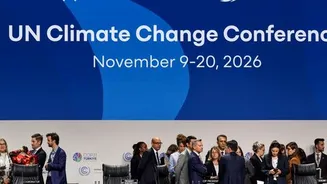
The central conflict at COP31 revolved around language that has dominated climate talks for years: whether the world should commit to a 'phase-out' or a 'phase-down' of fossil fuels. A coalition of ambitious nations, including the European Union and many
climate-vulnerable island states, arrived demanding a clear and final text that committed the world to moving away from coal, oil, and gas. However, this push met a wall of resistance from oil and gas-producing countries, notably Saudi Arabia and Russia, who opposed any explicit mention of phasing out fossil fuels in the final agreement. This fundamental disagreement proved to be an unbridgeable gap, leading to the first collapse of talks without a primary deal since the Copenhagen summit in 2009.
Why the Talks Collapsed
The final draft text, proposed by the joint Turkish-Australian presidency, was seen by many as a significant step backward. Critically, it omitted any direct reference to transitioning away from fossil fuels, a commitment that had been a landmark, albeit contentious, achievement of COP28 in Dubai. This omission was deemed 'unconscionable' by the EU, which formally objected to the text. Developing nations also voiced strong opposition, not just on fossil fuels but also on the lack of firm financial commitments. A proposed target of $120 billion for adaptation finance was missing from the final drafts, deepening the mistrust between developed and developing countries. Many felt the text prioritised unproven technological fixes like carbon capture over genuine emissions cuts.
India's Position: Equity and Development
India, a crucial player in global climate politics, navigated a complex path. Speaking for the Like-Minded Developing Countries (LMDC), India expressed reservations but was prepared to continue negotiations to find a consensus. India's long-standing position is that any call to 'phase-down' should apply to all fossil fuels, not just coal, which is critical for its energy security. Furthermore, India has consistently argued that developed nations, who are historically responsible for the majority of emissions, must take the lead and provide financial support for the transition. For India, the failure at COP31 raises serious concerns about equity and trust, reinforcing a climate regime where developing countries face growing pressure to act without guaranteed support.
Was It a Total Failure?
While the failure to secure an overarching 'cover decision' is a major setback, some smaller agreements were reached. Progress was made on technical items related to just transition pathways, and a coalition of around 80 nations signed a pledge to boost the share of electricity in final energy use. However, these were overshadowed by the central failure. UN Secretary-General António Guterres expressed deep disappointment, stating that while there was no consensus in the negotiating room, 'there is no ambiguity in the science'. The collapse means key decisions on climate finance and adaptation are kicked down the road to COP32 in Ethiopia next year.