



The Science of Eating for Warmth
The tradition of eating specific foods during winter is based on the concept of thermogenesis, where the body produces heat as it metabolizes food. Ancient Indian practices, including Ayurveda, categorize foods as 'warming' or 'cooling' based on their
effect on the body after consumption. During colder months, the digestive fire, or 'agni', is considered stronger, making it the ideal time to consume nutrient-dense, heavier foods that the body can efficiently break down for energy and heat. These foods are typically rich in complex carbohydrates, healthy fats, and proteins, which take longer to digest and thus generate more warmth.
The Power of Millets and Grains
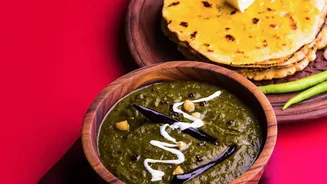
In regions across North and West India, winter brings a switch from wheat to millets like bajra (pearl millet) and makki (maize). Bajra is particularly prized for its warming properties and is rich in iron, fibre, and essential amino acids. A classic winter meal in Rajasthan or Punjab often features bajra or makki ki roti, generously topped with a dollop of white butter or ghee. These dense grains provide sustained energy, keeping you feeling full and warm. The combination of millet with ghee is not just for taste; ghee, a celebrated fat in Ayurveda, aids digestion and helps the body absorb the nutrients from the grains while adding its own warming quality.
Seasonal Greens and Roots
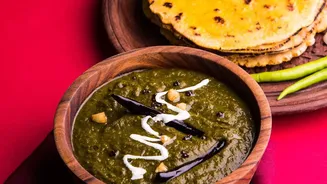
Winter is the season for a bounty of specific vegetables. Perhaps the most iconic is 'sarson ka saag', a Punjabi delicacy made from mustard greens. Cooked for hours and blended with other greens like spinach, it's a powerhouse of antioxidants and iron that are essential during winter. The season also brings an abundance of root vegetables like carrots, radishes, sweet potatoes, and turnips. These vegetables are dense and grounding. Gajar ka Halwa, a beloved winter dessert made from sweet red carrots, ghee, and milk, is more than an indulgence; it's a warming, energy-giving preparation that defines the season's culinary landscape.
Warming Spices and Sweeteners
Indian cooking is renowned for its spices, and in winter, those with thermogenic properties take centre stage. Ginger, turmeric, cloves, and black pepper are used liberally in everything from teas and curries to herbal concoctions ('kadha'). Ginger, for instance, is known to boost metabolism and promote blood flow, helping to warm the extremities. The sweetener of choice is often jaggery ('gur') instead of refined sugar. Derived from sugarcane, jaggery is rich in iron and minerals and provides a slow release of energy. Combinations like bajra roti with a piece of jaggery are a simple yet profound example of pairing foods for seasonal wellness.
Energy-Dense Winter Delicacies
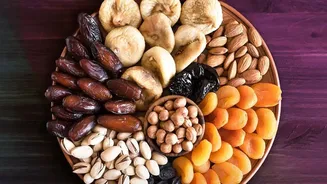
Many regions have special winter sweets and snacks designed to provide concentrated energy. 'Gondh ke laddoo', made from edible gum, whole wheat flour, ghee, and nuts, is a prime example. 'Gondh' is believed to lubricate joints and provide immense warmth, making these laddoos a winter staple for building strength. Similarly, 'til' (sesame seeds) are integral to winter food, especially around the festival of Makar Sankranti. Rich in healthy fats and minerals like calcium, sesame seeds are used to make 'til ke laddoo' or brittle 'chikki' with jaggery. These traditional sweets are not just treats but functional foods that support the body’s needs during the cold, dry season.