





Master the Flavour Base
The foundation of any memorable dish is a strong flavour base. In vegetarian cooking, this often means creating savouriness, or 'umami'. While non-vegetarians get it from meat, a clever vegetarian cook has a secret arsenal. Think sautéed onions, garlic,
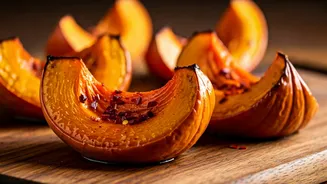
and ginger, of course, but go further. Incorporate sun-dried tomatoes, mushrooms (especially shiitake), or a splash of soy sauce into your gravies and stir-fries. Even cheeses like parmesan or a well-aged cheddar can add a powerful savoury punch to pastas and bakes. Roasting your vegetables, especially tomatoes and bell peppers, before turning them into a sauce concentrates their sugars and deepens their flavour, creating a complexity that boiling or steaming can never achieve.
Play with Texture
A common pitfall of vegetarian cooking is ending up with a plate of soft, one-dimensional textures. The solution is to think like a chef and layer different mouthfeels. A creamy palak paneer becomes infinitely more interesting with a garnish of crunchy fried onions. A simple bowl of dal can be elevated with a tempering of mustard seeds, crispy curry leaves, and a handful of roasted peanuts. Add toasted seeds (pumpkin, sunflower, sesame) or nuts (almonds, walnuts) to your salads and sabzis just before serving. Use different cuts for your vegetables—thinly sliced, diced, or grated—to create varied textures in a single dish. The contrast between creamy, crunchy, soft, and crisp is what makes food exciting.
Harness the Power of Spices
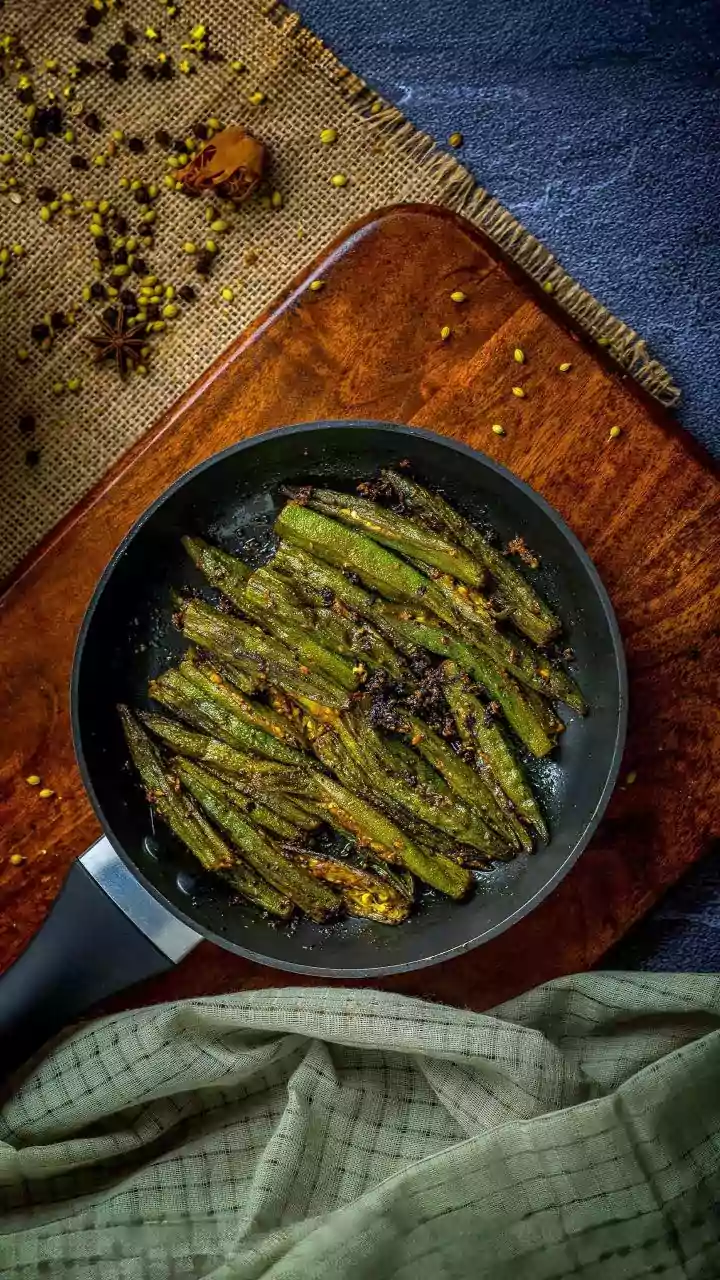
Indian cuisine is globally renowned for its masterful use of spices, yet it's easy to fall into a routine of using the same masala mix for everything. To break the monotony, start thinking about what each spice contributes. Toasting whole spices like cumin, coriander, and fennel seeds in a dry pan before grinding them releases their essential oils and dramatically intensifies their aroma. Experiment with single-origin spices and regional blends. Try a pinch of smoky paprika on roasted potatoes, a dash of cinnamon in your lentil soup, or a sprinkle of amchur (dry mango powder) to add a sour tang to chickpea curries. This small step can make a familiar dish taste completely new.
Don't Forget Acid and Fat
Two of the most overlooked elements in home cooking are acidity and fat. They are the finishing touches that balance and brighten flavours. A dish that tastes flat or heavy can often be revived with a simple squeeze of lemon or lime juice. A spoonful of yogurt or a drizzle of vinegar in a dressing can cut through richness and make flavours pop. Similarly, healthy fats are carriers of flavour. A finishing drizzle of good-quality olive oil over a soup, a dollop of ghee on your dal, or the creaminess of an avocado in a salad adds a luxurious mouthfeel and helps your body absorb nutrients. These aren't just garnishes; they are essential components of a well-rounded dish.
Explore Global Cuisines
One of the easiest ways to break out of a food rut is to borrow from the world's great vegetarian traditions. You don't need to cook a full-on feast. Start simple. Try making Mexican-inspired tacos with spiced black beans, corn salsa, and a dollop of sour cream. Explore Thai green curry using coconut milk, tofu, and fresh vegetables. Whip up a quick Italian pasta with a simple tomato and basil sauce, or a creamy mushroom risotto. Many global flavours are surprisingly easy to replicate with ingredients that are now widely available. This not only introduces new tastes but also new techniques into your cooking repertoire.
Reimagine Your Vegetables
The same vegetable can taste completely different depending on how you cook it. Instead of boiling or steaming cauliflower, try roasting it whole with spices until it's tender and caramelised. Instead of a simple potato sabzi, make crispy smashed potatoes by boiling, smashing, and then baking them with herbs and oil. Grate carrots and zucchini for fritters, or spiralise them to use as a base for sauces. Grilling vegetables like brinjal, capsicum, and corn imparts a smoky flavour that is impossible to resist. By changing your cooking method, you can unlock a whole new world of flavours and textures from the vegetables you eat every day.