


What Are the Perseids?
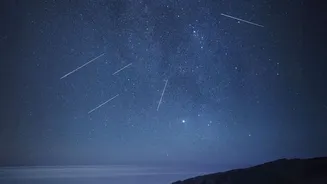
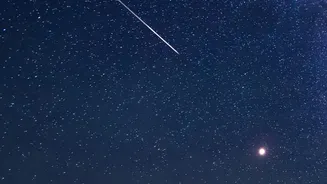
The Perseid meteor shower is an annual celestial event that delights skywatchers every summer. These so-called “shooting stars” are not stars at all, but tiny pieces of space debris left behind by the comet 109P/Swift-Tuttle. Every August, the Earth's
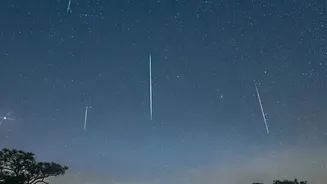
orbit takes it through this trail of cosmic dust. As the particles, many no larger than a grain of sand, enter our atmosphere at high speeds, they burn up and create brilliant streaks of light. The shower gets its name because the meteors appear to radiate from the constellation Perseus. Known for being bright and plentiful, the Perseids can produce between 50 and 100 meteors per hour under ideal conditions.
Why 2026 Is an Exceptional Year
Not every year is equal when it comes to meteor watching. The biggest obstacle is often bright moonlight, which can wash out all but the brightest meteors. Fortunately, 2026 offers perfect viewing conditions. The shower's peak on the night of August 12-13 coincides perfectly with the new moon. This means the sky will be completely dark, allowing even the fainter meteors to shine through. Astronomers are calling the conditions ideal, making this one of the most anticipated celestial events of the year for both seasoned stargazers and casual observers.
When and How to Watch in India
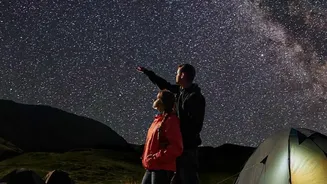
The Perseids are active from mid-July to late August, but the best time to watch is during the peak. For viewers in India, the prime viewing window will be in the pre-dawn hours of August 13, specifically between 2:00 AM and 4:30 AM IST. However, good sightings can also be expected on the morning of August 12. To prepare for the show, you don't need a telescope or binoculars; in fact, your naked eyes are best as they allow you to see a wider swath of the sky. Find a comfortable spot, perhaps with a blanket or reclining chair, and give your eyes about 20 to 30 minutes to fully adjust to the darkness. Then, simply lie back, look up, and be patient.
Finding the Perfect Dark Sky
The single most important factor for a successful viewing is getting away from city lights. Light pollution can drastically reduce the number of visible meteors. For those in mainland India, the biggest challenge might be the monsoon clouds that are common in August. To maximize your chances, consider heading to high-altitude or arid regions which are known for clearer skies. Top recommendations include the rain-shadow areas of Ladakh and Spiti Valley in Himachal Pradesh, which offer some of the darkest skies in the country. Hanle in Ladakh is even home to India's first Dark Sky Reserve. Other promising locations include the Rann of Kutch in Gujarat and parts of the Rajasthan desert. If traveling far isn't possible, even a local park or a rural area away from streetlights can significantly improve your view.
What to Expect From the Show
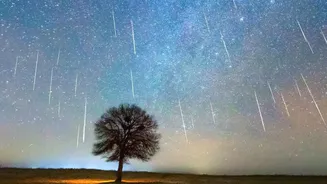
While rates can reach up to 100 meteors per hour in perfect conditions, it's more realistic to expect seeing around 50 to 80 per hour from a good, dark location. Even in suburban areas, you might spot 20 to 40 per hour. The meteors will appear as quick streaks of light darting across any part of the sky, though their paths will trace back to the radiant in Perseus. The Perseids are also known for producing fireballs, which are exceptionally bright meteors that can leave a lingering trail of light. Remember that the meteors don't fall in a steady stream; you might see several in a few minutes and then none for a while. Patience is key to enjoying this cosmic display.