

Understanding the Endless Flea Cycle
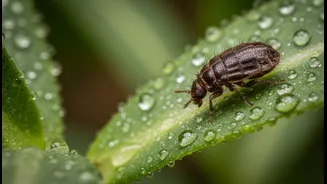
To defeat the enemy, you must know it. The fleas you see on your pet are just the tip of the iceberg, representing a mere 5% of the total infestation. The other 95% exists in your home as eggs, larvae, and pupae. A single female flea can lay up to 50
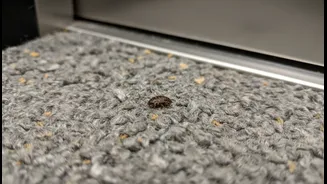
eggs per day, and these eggs aren't sticky. They fall off your pet and embed themselves deep into their surroundings. These eggs hatch into larvae, which despise light and burrow into dark places like the base of carpet fibers, furniture crevices, and pet bedding. After a week or two, they spin a cocoon and become pupae. This pupal stage is the most resilient; the cocoon protects them from insecticides and environmental changes for weeks, months, or even longer, until they sense the heat, vibration, or carbon dioxide of a nearby host—your pet or you—and emerge as hungry adults. This creates a relentless breeding loop that pet treatments alone cannot break.
Why Apartments Are a Flea Haven
Apartment living presents a unique challenge for flea control. The smaller, contained space means a higher concentration of flea life stages in your direct environment. There are fewer places for the pests to disperse, so carpets, rugs, and furniture become primary nurseries. Shared spaces like hallways, laundry rooms, and elevators can also become highways for fleas to travel from one unit to another, hitching a ride on clothing or pets. Infestations can even lie dormant in a vacant apartment, with pupae waiting for new tenants to move in before hatching, which explains why you can sometimes inherit a flea problem in a home that previously had pets. The close quarters make breaking the environmental cycle absolutely critical.
Fabric: The Ultimate Flea Nursery
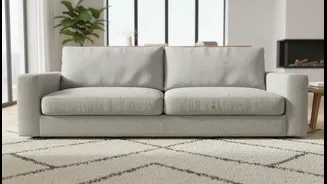
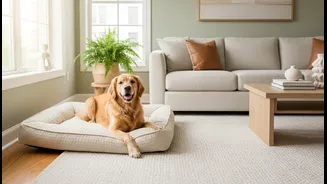
Fleas thrive in fabrics. Your carpets, sofas, cushions, curtains, and especially your pet's bed provide the perfect conditions for their life cycle to continue unseen. Larvae feed on organic debris and 'flea dirt' (the digested blood from adult fleas) that accumulates in these materials. The dense fibers of a carpet or the plush interior of a sofa cushion offer protection from light and predators, allowing larvae and pupae to develop undisturbed. Think about all the fabric surfaces in your apartment: pet beds, blankets, your own bedding, throw pillows, rugs, and even piles of laundry. Each one is a potential hotspot for the 95% of the flea population that isn't on your pet. Unless you systematically and aggressively clean these items, you are only fighting a fraction of the problem.
Your Step-by-Step Fabric Sanitation Plan
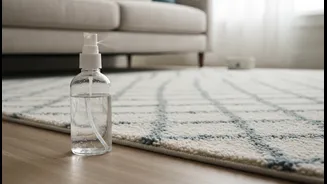
Breaking the flea breeding loop requires a diligent, multi-pronged attack on every fabric surface. Start by washing all pet bedding, blankets, and removable cushion covers in hot water. A temperature of at least 60°C is needed to reliably kill fleas at all life stages, including the resilient eggs. Follow this with a high-heat cycle in the dryer to eliminate any survivors. For items that can't be washed, like some toys or delicate fabrics, even a hot dryer cycle for 20 minutes can be effective. Next, vacuum everything, every day. Thoroughly vacuum all carpets, rugs, and upholstered furniture. Use crevice tools to get along baseboards and under furniture. The vibration from vacuuming can actually stimulate pupae to hatch, allowing you to capture the newly emerged adults. Immediately dispose of the vacuum bag or empty the canister outside in a sealed bag to prevent re-infestation. For a deeper clean on carpets and upholstery, consider steam cleaning. The combination of high heat and soap is lethal to fleas at every stage of their life cycle.
Don't Overlook These Hidden Spots
Fleas are masters of hiding, so a thorough approach is necessary. Beyond the obvious spots, expand your sanitation efforts to include other fabric items in your home. This includes curtains, especially if they are long enough to brush against the floor. Check and launder items in your clothes hamper, as fleas can hitch a ride on clothing. Don't forget any fabric carriers or crates your pet uses. If your pet ever joins you in the car, their fleas do too, so be sure to vacuum your car's seats and floor mats thoroughly. Remember that any soft, textured surface where dust and debris can collect is a potential breeding ground. Consistent and comprehensive cleaning is your most powerful weapon in ensuring the flea breeding loop is broken for good.