




The Post-Monsoon Advantage
October marks a crucial transition in the Indian climate. The heavy monsoon rains have subsided, leaving behind soil that is moist but no longer waterlogged. Marigolds thrive in well-drained soil and are susceptible to root rot in overly saturated conditions.
Planting in October allows their root systems to establish in soil that has the perfect balance of moisture without the risk of being drowned by daily downpours. This post-monsoon period provides a stable and welcoming environment for young saplings to begin their growth journey.
Ideal Temperatures for Growth
Marigolds are sensitive to extreme temperatures. While they are heat-tolerant to a degree, high temperatures above 30-35°C can reduce the size and number of flowers. Conversely, they cannot withstand severe frost. October provides a 'Goldilocks' climate across most of India, with average temperatures often falling within the ideal range of 15°C to 29°C. This mild weather is perfect for seed germination and encourages robust vegetative growth, leading to bigger, brighter, and more abundant blooms that last longer into the winter.
Sunlight and Shorter Days
These flowers are sun-worshippers, requiring at least six hours of direct sunlight daily to flower prolifically. The post-monsoon sky is generally clearer, offering ample bright sunlight without the scorching intensity of the summer months. As the days begin to shorten, it signals to the marigold plants that it is time to move from vegetative growth to flowering. This natural trigger, combined with the right temperature and light, ensures that the plants produce a profusion of flowers.
A Bounty for the Festive Season
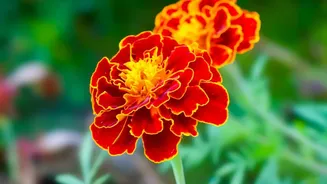
There is a deep cultural and practical wisdom to planting marigolds in October. Sowing seeds or transplanting saplings this month means the plants will begin flowering within 45 to 60 days. This timing is perfect for the festive season, particularly Dussehra and Diwali, when marigolds are in high demand for garlands, decorations, and religious offerings. Planting in October ensures a fresh, vibrant supply of these auspicious flowers right when they are needed most, filling homes with colour and positive energy.
Getting Started: Potting Your Marigolds
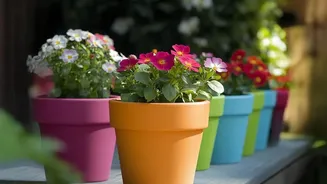
Growing marigolds is remarkably simple, even for novice gardeners. Start with a well-draining potting mix, typically a combination of garden soil, compost, and sand or coco peat. Choose a pot with adequate drainage holes to prevent waterlogging. If planting from seeds, sow them about an inch apart and cover lightly with soil. For saplings, transplant them into the pot, ensuring not to bury them deeper than they were in their nursery container. Water the plant immediately after potting and place it in a sunny spot. For bushier plants and more flowers, you can pinch off the growing tip when the plant is about six inches tall.
Avoiding Common Pitfalls
While marigolds are hardy, a few things can hinder their growth. The most common mistake is overwatering, especially during cooler weather or the tail end of the monsoon. Always check if the top inch of the soil is dry before watering again. Insufficient sunlight is another issue; a lack of direct sun will result in leggy plants with few to no flowers. Pests are generally not a major problem as marigolds are natural pest repellents, but keep an eye out for common issues like aphids or mealybugs, which can be managed with organic sprays.