




From a Morning Ritual to a Lifestyle Choice
The stronghold of instant coffee, dominated by household names like Nescafé and Bru, has been a defining feature of India's domestic coffee consumption for years. It was, and for many remains, the default: quick, consistent, and accessible. However, urban
India is now witnessing a significant transformation. Young consumers, particularly Millennials and Gen Z, are driving a surge in demand for something more. This demographic, which comprises nearly 65% of specialty coffee consumers, is looking beyond a simple caffeine fix. They are seeking an experience, a story, and a connection to what they consume, turning coffee from a mere beverage into an expression of identity.
Decoding the 'Third Wave'
This shift is part of a global movement known as "third wave coffee." The first wave was the popularisation of ready-to-brew coffee in the 19th and 20th centuries, making it a household staple. The second wave saw the rise of global café chains that introduced specialty drinks like lattes and cappuccinos. The third wave, now firmly established in Indian metros like Bengaluru, Mumbai, and Delhi, treats coffee as an artisanal product, much like wine. It emphasizes high-quality, single-origin beans, where the unique characteristics of a specific farm, region, and processing method are celebrated. This focus on traceability and flavour profiles connects the drinker directly to the bean's journey, from the estate to the cup.
The Allure of the Single-Origin Bean
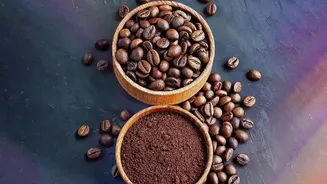
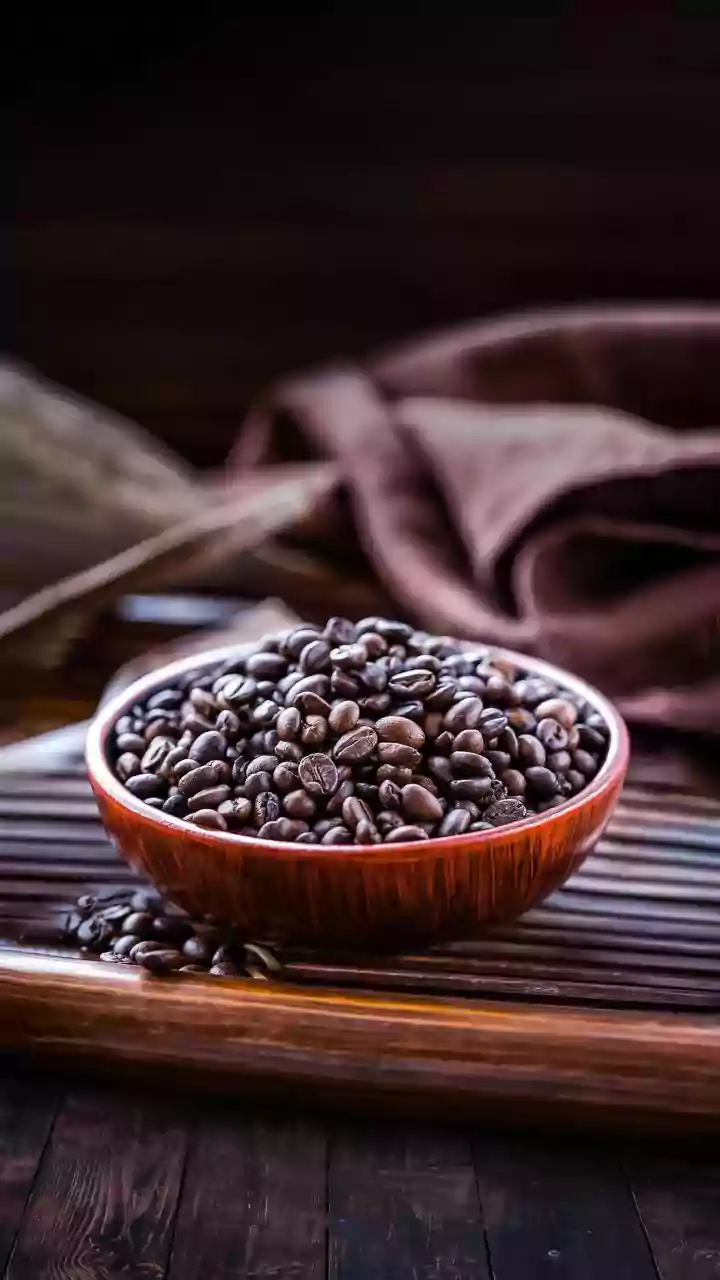
So, what exactly is a single-origin coffee? It refers to beans sourced from one specific geographical location, which could be a single farm or a specific micro-lot within an estate. This is a departure from blends, which mix beans from various places to achieve a uniform taste. The appeal lies in the unique story and flavour profile each origin offers. An Arabica from a high-altitude estate in Chikmagalur, known as the birthplace of Indian coffee, might offer chocolatey notes and balanced acidity. Meanwhile, beans from Araku Valley, often grown by tribal communities, can present delicate, floral aromas. This movement has put a spotlight on India's own rich coffee-growing heritage in regions like Coorg, Wayanad, and Baba Budangiri.
More Than a Drink: A Social Statement
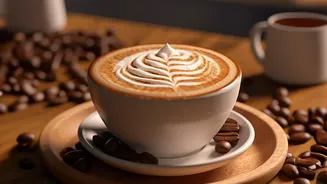
For many young Indians, choosing a specialty coffee is about more than taste; it's a statement of values. There's a growing desire for authenticity and transparency, with consumers keen to know the story behind their beans and support local farmers. Cafés have transformed into community hubs for a generation that values connection, serving as co-working spaces, meeting spots, and creative sanctuaries. The aesthetic appeal of latte art, minimalist café interiors, and manual brewing equipment like the AeroPress or a pour-over V60 also provides perfect content for social media, turning a daily ritual into a shareable experience.
Home Brewing and Homegrown Roasters
The trend isn't just confined to cafés. A significant home-brewing culture has taken root, accelerated by pandemic lockdowns. Young enthusiasts are investing in grinders, scales, and brewing gear to recreate the café experience at home. This has been fueled by the rise of homegrown Indian roasters like Blue Tokai, Third Wave Coffee, and Corridor Seven, among many others. These brands have made high-quality, freshly roasted Indian beans accessible through both their cafes and direct-to-consumer online platforms, often printing the roast date on the bag to emphasize freshness. By championing Indian estates, they are not only educating consumers but also helping some of the country's finest coffees find an appreciative audience at home, rather than being destined solely for export.