




The Problem with Poor Indoor Drying
When clothes are left to dry slowly in a poorly ventilated space, the excess moisture released into the air has nowhere to go. This creates a humid environment, which is a perfect breeding ground for mould and mildew on walls, furniture, and even in your
washing machine. This can lead to a persistent musty smell that clings to your fabrics and lingers in your home. Beyond the unpleasant odour and potential damage to your home, this dampness can also pose health risks, including triggering allergies, worsening asthma, and other respiratory issues.
Create Space for Air to Circulate
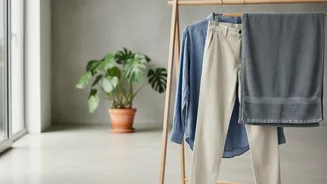
The first rule of effective indoor drying is to give your clothes breathing room. Overcrowding a drying rack traps moisture between garments and slows down the entire process. Make sure to leave a visible gap between each item you hang. Utilise different types of drying racks, like tiered airers or wall-mounted folding racks, to maximise your available space without creating clutter. Hanging clothes on individual hangers before placing them on the rack can also significantly improve airflow around each piece, helping them dry more evenly and quickly.
Ventilation is Non-Negotiable
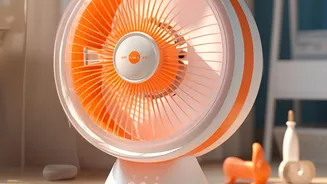
Proper ventilation is the most critical factor in preventing moisture buildup. A load of wet laundry can release a surprising amount of water into the air, and that moisture needs an escape route. The simplest method is to open a window, even just slightly, to create a cross-breeze. Placing your drying rack near an open window or using an exhaust fan can dramatically speed up drying time. Without adequate airflow, you are essentially just moving humidity from your clothes into your room, which defeats the purpose and can lead to problems like condensation and mould.
Wash and Dry a Realistic Load
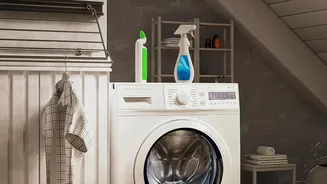
Effective drying starts in the washing machine. Overloading your washer prevents clothes from being cleaned properly and can result in them being excessively wet at the end of the cycle. A good rule of thumb is to fill the drum to about three-quarters full, allowing clothes to tumble freely. Before hanging, use an extra spin cycle to remove as much excess water as possible; the less water you start with, the faster the clothes will dry. Similarly, don't overload your drying rack. It's better to do two smaller, well-spaced loads that dry quickly than one large, cramped load that stays damp for days.
Pro-Tips for Faster, Fresher Results
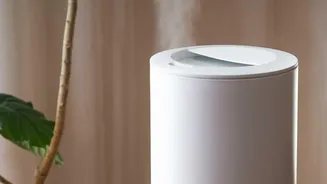
To further speed up the process, consider using a dehumidifier in the room where you're drying clothes. A dehumidifier actively pulls moisture from the air, creating a drier environment that helps clothes dry faster and prevents dampness. Another strategy is to rotate your clothes periodically. Items in the middle of the rack or thicker garments may need to be moved to the outside to ensure they get enough air. Finally, placing your drying rack in the sunniest and warmest spot in your home can also help, as warmth aids evaporation, but air exchange remains the most important factor.