





The New Festive Mindset
The spirit of Indian festivals has always been one of abundance, but for a growing number of young Indians, abundance no longer means extravagance. It means richness of purpose. This shift is giving rise to a new trend in festive hosting, one that prioritises
conscious consumption and environmental responsibility. Instead of single-use plastics and mass-produced goods, hosts are turning to local, natural, and traditional alternatives. This mindful approach isn't about diminishing the celebration; it's about enhancing it with intention, ensuring the joy of the festival doesn't come at a cost to the planet. It’s a return to roots, where the focus is on community, connection, and celebrating in harmony with nature.
The Humble Banana Leaf Takes Centre Stage
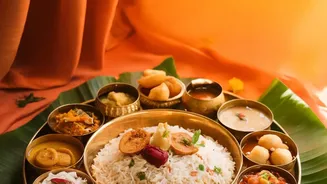
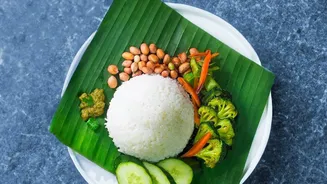
At the heart of this sustainable shift is the banana leaf. For centuries, serving food on banana leaves has been a common practice in many parts of India, especially during festivals and weddings. Today, young hosts are reviving this tradition as a chic and eco-friendly alternative to disposable plates. Banana leaves are entirely biodegradable, waterproof, and large enough to hold a multi-course Indian meal. They require minimal cleaning—just a sprinkle of water—and eliminate the need for chemical-laden dish soaps. Proponents believe that when hot food is served on the leaf, a waxy coating imparts a subtle, earthy flavour, enhancing the dining experience. Rich in antioxidants called polyphenols, the leaves may also offer subtle health benefits as these compounds can leach into the food.
Sourcing with Soul: The Organic Movement
A sustainable feast begins with its ingredients. Young hosts are increasingly looking beyond conventional supermarkets and sourcing produce directly from local farmers and organic collectives. This farm-to-table approach ensures that the food is fresh, seasonal, and free from chemical pesticides. The rise of farmers' markets, community-supported agriculture (CSA) programs, and e-commerce platforms delivering organic produce has made it easier than ever for urban dwellers to access high-quality ingredients. Choosing organic and local not only supports small-scale farmers and promotes ethical agriculture but also results in dishes that are more flavourful and nutritious. This conscious sourcing extends to pantry staples like millets, heritage rice varieties, cold-pressed oils, and natural sweeteners like jaggery.
A Menu That Minimises Waste
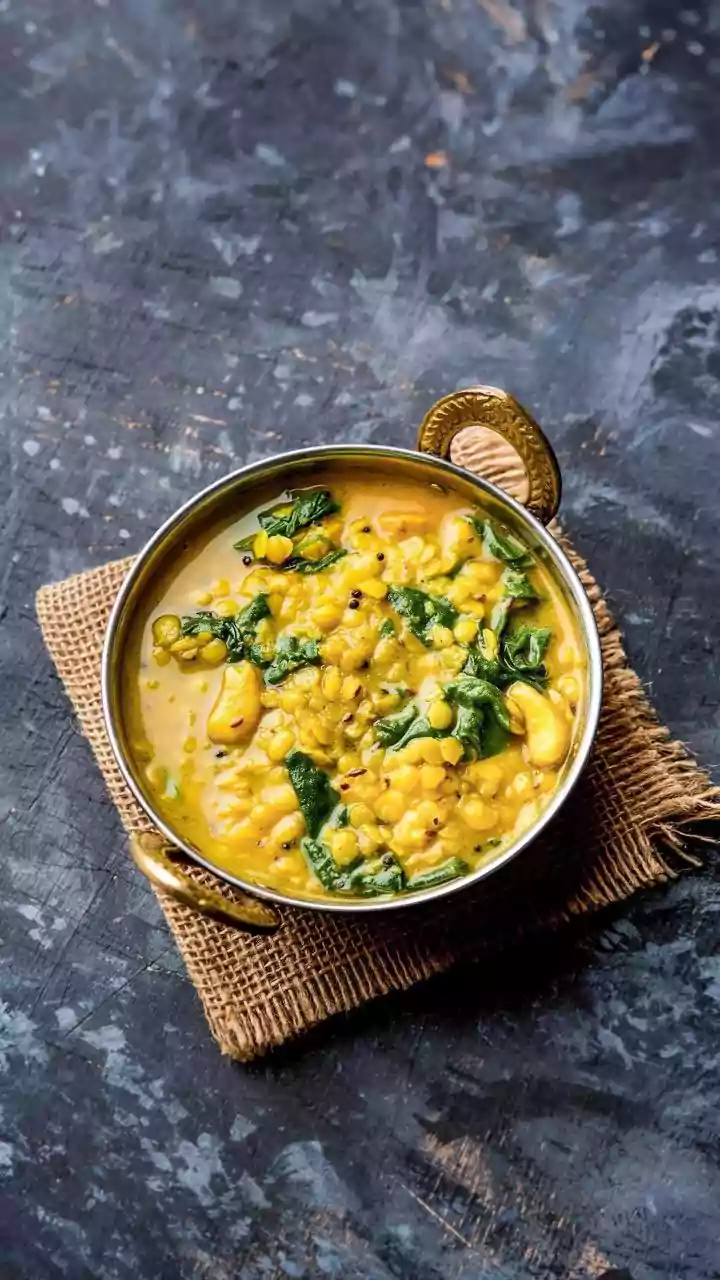
The sustainable ethos extends to the menu itself, with a strong focus on minimising food waste. This involves creative 'root-to-stem' cooking, where every part of a vegetable is used. For instance, vegetable peels can be transformed into crunchy thorans or flavourful chutneys, while leftover dal can be kneaded into paratha dough for the next day's breakfast. Planning is key, with hosts cooking in smaller, more manageable portions and finding creative ways to repurpose leftovers into new dishes like masala rolls or upma. This zero-waste approach is not about scarcity; it's a celebration of resourcefulness that was once a cornerstone of traditional Indian kitchens, proving that a delicious feast can also be a responsible one.
Decor and Details: A Fuller Circle
Sustainability goes beyond just the food. Young hosts are applying the same principles to festive decor, swapping plastic and synthetic decorations for natural and reusable materials. Fresh flowers like marigolds and jasmine, often sourced locally, are used to create vibrant garlands. Clay diyas are chosen over plastic lights, and old sarees or colourful dupattas are repurposed into beautiful backdrops and table runners. Even gift wrapping is getting a green makeover, with hosts using cloth, recycled newspaper, or even banana leaves to package presents. By embracing these eco-conscious details, hosts create a festive atmosphere that is not only beautiful but also deeply connected to a philosophy of care and respect for the environment.