


The Treacherous Terrain: Landslides and Rockfalls
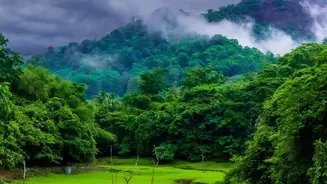
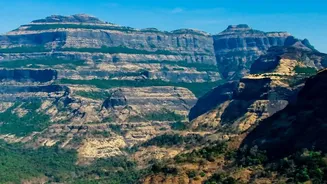
The primary danger on any hill road during the monsoon is the instability of the terrain. Prolonged, heavy rainfall saturates the soil and weakens rock formations, making steep slopes prone to collapse. These events, common in the Himalayas and Western
Ghats, can range from small rockfalls to massive landslides that block entire highways for hours or even days. Cloudbursts, which are short, intense downpours, are particularly dangerous triggers. Before you travel, always check local news and official advisories for landslide warnings in your destination area. While driving, be vigilant in 'shooting stone' zones and avoid stopping directly under steep, cut slopes. If you encounter a fresh landslide, never attempt to cross it; turn back and find a safe place to wait for authorities.
Sudden Surges: Flash Floods and Waterlogging
Water behaves unpredictably in the mountains. A calm stream can transform into a raging torrent in minutes due to heavy rain upstream. This leads to flash floods that can wash away roads and bridges with little warning. Similarly, low-lying areas and roads near rivers can become dangerously waterlogged. Never drive through flooded roads. It is often impossible to gauge the water's depth, which could conceal open manholes, deep potholes, or debris. As little as one foot of water can be enough to make a car float, causing you to lose control. The water can also enter your engine's air intake, causing catastrophic damage. The cardinal rule is simple: if you see a flooded road, turn around.
The Veil of Rain: Poor Visibility and Slippery Roads
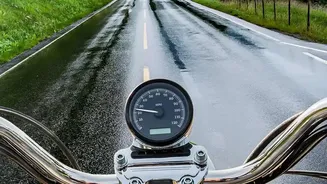
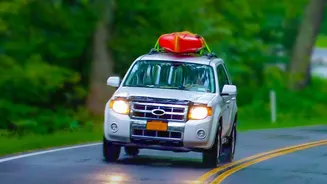
Heavy downpours, combined with fog and spray from larger vehicles, can reduce your visibility to just a few metres. This makes it incredibly difficult to spot hazards, pedestrians, or other cars in time. At the same time, the road surface becomes extremely slippery as rainwater mixes with oil and grime, significantly reducing tyre grip. This raises the risk of skidding, especially on sharp curves. Another frightening phenomenon is aquaplaning, where a layer of water between your tyres and the road causes a total loss of steering control. To counter these risks, slow down, turn on your low-beam headlights to be more visible, and maintain at least double the normal following distance from the vehicle ahead.
Your First Line of Defence: Vehicle Preparation
A well-maintained car is your most important safety tool. Before starting your trip, conduct a thorough check. Ensure your tyres have adequate tread depth and are properly inflated to handle wet surfaces. Worn-out tyres are a major risk factor for skidding. Replace old or streaky wiper blades to ensure clear visibility during a downpour. Check that all your lights—headlights, taillights, and indicators—are functioning perfectly. Also, have your brakes inspected to ensure they are in top condition, as stopping distances increase dramatically on wet roads. Applying a coat of wax polish can help protect your car's paint from the constant moisture and mud.
The Essential Monsoon Go-Bag
Getting stranded is a real possibility, so a well-stocked emergency kit is non-negotiable. Your kit should include a powerful, waterproof flashlight with extra batteries, a reflective warning triangle, and a high-visibility jacket. Pack a comprehensive first-aid kit with bandages, antiseptic, painkillers, and any personal medications. A high-capacity power bank is essential for keeping your phone charged. Jumper cables and a tow rope can be lifesavers if your battery dies or you get stuck. Finally, include drinking water and non-perishable, high-energy snacks like nuts or glucose biscuits in case you're stuck for an extended period. Keeping everything in a waterproof bag is a smart move.