





A Major Expansion of Protected Zones
The Goa Forest Department has submitted a proposal to the Department of Environment and Climate Change to declare 10 beaches in North Goa and 14 in South Goa as official turtle nesting sites under the Coastal Regulation Zone (CRZ) Notification of 2019.
This move would significantly expand the number of protected coastal stretches. While beaches like Morjim, Mandrem, Agonda, and Galgibaga are already recognized as important nesting grounds, this new proposal includes some of Goa's most popular and commercially active beaches, such as Calangute, Baga, Candolim, and Palolem. If accepted, these areas would be classified as CRZ-I, the most ecologically sensitive category, paving the way for stricter regulations on coastal activities, especially during the nesting season which typically runs from November to March.
Focus on South Goa's Jewels
The inclusion of Palolem and Agonda is particularly noteworthy. Agonda is already a well-established and protected nesting site, where the Forest Department operates hatcheries to safeguard Olive Ridley turtle eggs. Last season, the beach saw a remarkable number of nests. Palolem, one of Goa’s most famous and frequented beaches, is also on the new list, alongside other southern sites like Patnem, Rajbag, and Cola. The proposal to formalize protections here highlights a growing recognition of sporadic nesting activity even on busy coastlines. The Canacona region, which includes eight of the proposed beaches, could see a large portion of its coastline come under new rules.
The Delicate Lives of Olive Ridleys
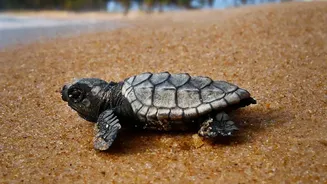
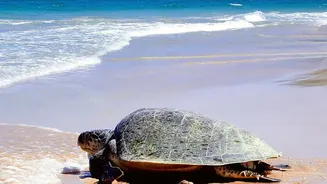
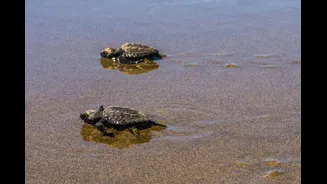
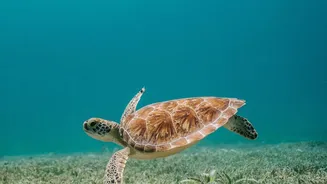
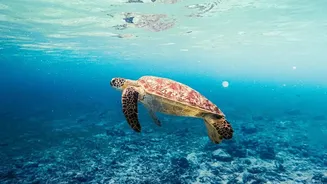
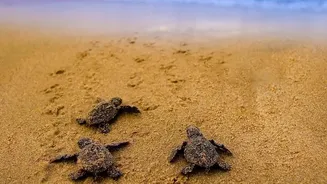
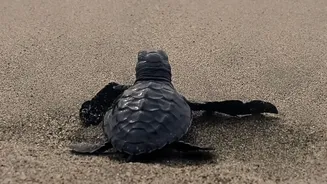
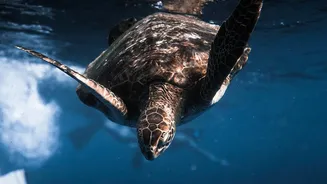
The species at the heart of this proposal is the Olive Ridley sea turtle, the most abundant sea turtle in Indian waters and a protected species under Schedule I of the Wildlife (Protection) Act, 1972. These turtles exhibit a unique nesting behaviour, with females returning to the very beaches where they were born to lay their eggs. This natal philopatry makes the protection of specific beach habitats crucial for their survival. The nesting process is fraught with peril; eggs are vulnerable to predators, while artificial lighting and noise from beach shacks and tourist activities can disorient nesting females and emerging hatchlings, often with fatal consequences. Conservation efforts, such as relocating eggs to protected hatcheries, play a vital role in improving survival rates.
Balancing Conservation and Livelihoods
The proposal has sparked concern among local business owners and traditional fishing communities. Tourism stakeholders, including shack owners, worry that broad restrictions could cripple their livelihoods, especially since the nesting season coincides with the peak tourist season. The Secretary of the Shack Owners Welfare Society, John Lobo, stated that while they support turtle protection, declaring so many popular beaches as nesting sites is impractical and could harm the entire tourism industry. Fishermen have also voiced fears that new rules could impact traditional fishing methods. Many are calling for a balanced approach and clear communication from authorities about what activities will be permitted, arguing that conservation and tourism can coexist with proper management, as has been seen in Agonda where community participation is a key factor.
What Stricter Protection Means
Designation as a CRZ-I zone under the 2019 notification brings a host of potential regulations. These could include tighter controls on artificial lighting, sound levels, beach shacks, vehicle movement, and public events, particularly at night. The goal is to minimise human disturbance that can prevent turtles from nesting or harm the hatchlings. The environment department must formulate a detailed management plan for each ecologically sensitive area. While the exact nature of the restrictions is not yet final, the proposal signals a clear intent from the Forest Department to prioritise the ecological integrity of Goa's coastline, prompted in part by a recent decline in nesting numbers compared to previous years. The decision now rests with the Department of Environment and Climate Change, which will need to weigh the ecological imperatives against the socio-economic impact on coastal communities.