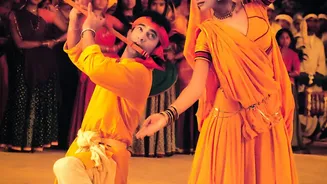




The familiar, pulsating beat of the dhol, the rhythmic clap of dandiya sticks, and the sight of dancers moving in a kaleidoscopic circle—this is the heart of Navratri. But in 2026, this beloved festival is wearing a new, vibrant outfit.
The Dance Floor Becomes a Melting Pot
For decades, Navratri
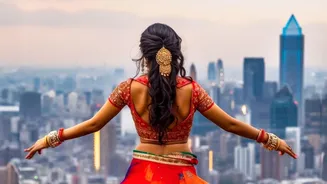
meant Garba, the traditional dance form of Gujarat that has become synonymous with the festival. Cities like Ahmedabad and Vadodara remain the epicentres of this graceful, community-focused celebration. However, in major metropolitan hubs like Delhi, Mumbai, and Bangalore, the dance floor is reflecting the country's diversity. It's no longer unusual to hear the high-energy beats of a Punjabi dhol weaving through a classic Garba track, creating a fusion that gets everyone on their feet. This blend acknowledges that while Garba is the soul of the night, the attendees bring their own cultural rhythms. Even in Kolkata, a city traditionally devoted to the grandeur of Durga Puja during this time, dedicated Garba and Dandiya events are gaining popularity, bringing a touch of Gujarat's festive energy to the east.
A Pan-Indian Festive Platter
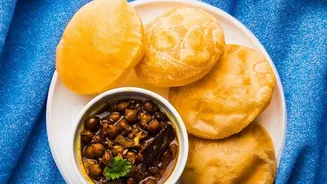
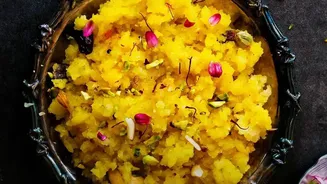
Fasting during Navratri has a well-defined culinary rulebook: no grains, no onions or garlic, and a reliance on ingredients like buckwheat flour (kuttu), water chestnut flour (singhara), and rock salt (sendha namak). Sabudana khichdi and kuttu ki puri have long been the staples providing energy for late-night dancing. But in 2026, the Navratri thali is getting a delicious makeover. Event organisers and food stalls at large urban pandals recognise their audience is no longer monolithic. Alongside traditional Gujarati snacks, you'll now find innovative fasting-friendly options. Imagine vrat-friendly chaat with a tangy flavour profile reminiscent of Delhi's street food, or sattvic preparations of South Indian snacks. Creative chefs are offering everything from rajgira parathas to makhana kheer and samak rice pulao, ensuring the nine nights of fasting are anything but monotonous.
The Aesthetics of a United Celebration
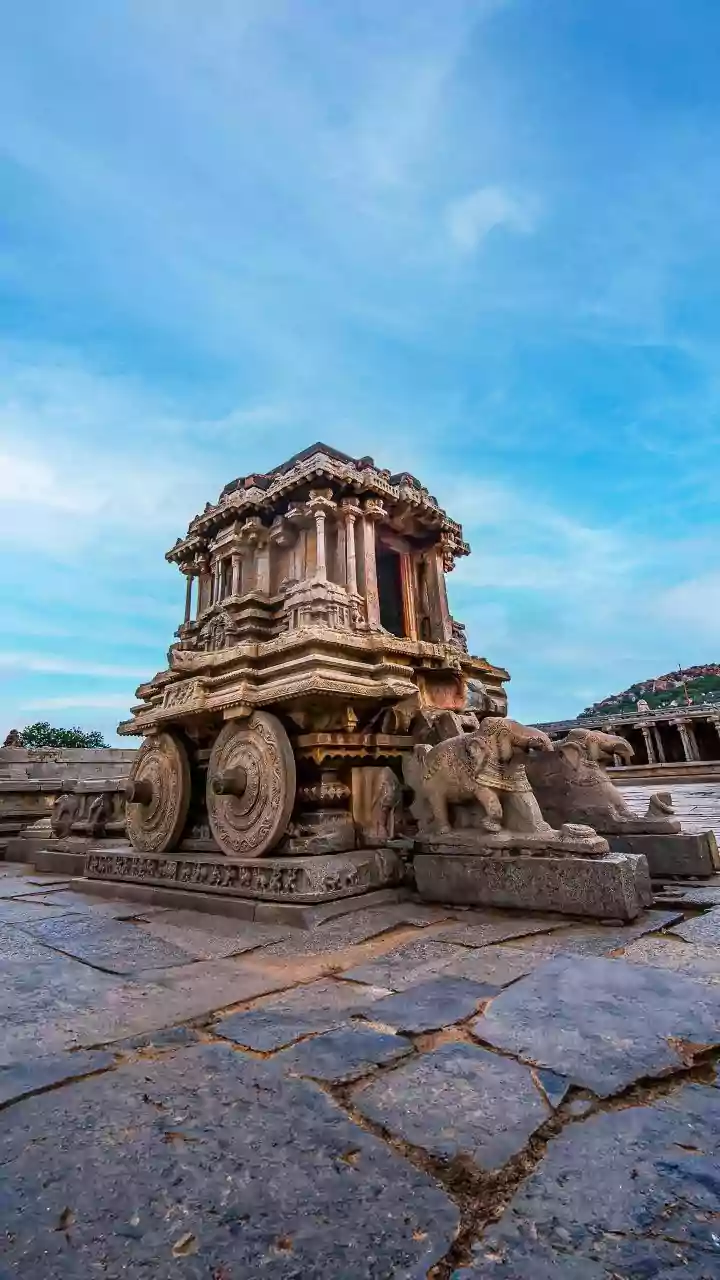
The visual landscape of Navratri is also evolving. The grand, thematic pandals of West Bengal's Durga Puja, known for their artistry and elaborate designs often based on historical temples or social causes, are inspiring Navratri organisers elsewhere. Instead of simple tents, communities are investing in more creative and immersive environments. In cities with diverse populations, you might see decorative elements that borrow from different cultures. The serene, intricate doll displays of Golu from Tamil Nadu, Karnataka, and Andhra Pradesh, which tell mythological stories across stepped platforms, are influencing how community spaces are decorated, adding a narrative and artistic layer that engages all ages. This cross-pollination of aesthetics makes pandal-hopping an even richer experience.
A Festival for Modern India
So, what is driving this change? It's a reflection of modern, urban India itself. As people migrate for work and education, they bring their traditions with them, creating a cultural tapestry in their new homes. A Garba night in a big city isn't just for the Gujarati community; it's a social event for everyone. Young Indians, connected by social media and a shared national identity, are eager to participate in and celebrate each other's festivals. This blending isn't seen as a dilution of tradition but as an enrichment of it. The result is a Navratri that feels more inclusive and representative of the country's incredible diversity, where the core spirit of devotion to the Goddess Durga is expressed in many different, beautiful ways.