







The Rise of the Micro-Holiday
A fundamental shift is underway in how Indians approach travel. The concept of the 'micro-holiday'—a short trip of one to three nights—is rapidly replacing the traditional annual vacation. Recent travel reports highlight this changing behaviour, noting
that travel is no longer reserved for a single special occasion but has become an integral and regular part of people's lifestyles. Instead of planning one big trip, travellers are opting for multiple, shorter, and more purposeful getaways. This trend is especially pronounced in domestic travel, where the average trip length is shrinking, and spontaneous bookings made just days or even hours before departure are becoming the new normal.
From Burnout to Boutique Stays
Several factors are fuelling this preference for quick but premium breaks. In today's fast-paced urban environment, burnout is a real concern, and the need for frequent mental resets is paramount. Many professionals find it difficult to secure long leave approvals, making shorter, 3-to-5 day trips a more practical option. These mini-breaks serve as a potent antidote to stress, offering a chance to disconnect and recharge without the extensive planning required for a long holiday. The motivation for travel itself is also changing; it's less about ticking off sightseeing lists and more about emotional rejuvenation and finding meaningful experiences. This has led to a boom in wellness travel, with destinations offering yoga, meditation, and holistic healing becoming increasingly popular for these short escapes.
Workcations and the Bleisure Boom
The widespread adoption of remote and hybrid work models has been a game-changer for the travel industry. The line between business and leisure has blurred, giving rise to the 'bleisure' trend, where professionals extend work trips for personal holidays. Reports indicate that India is a key market for this trend, with a high percentage of business travellers adding leisure days to their trips. The flexibility of working from anywhere has also popularised 'workcations'—working from a scenic location like a mountain cabin or a beachside resort. Hotels and resorts are adapting by offering work-friendly amenities like high-speed Wi-Fi and quiet workspaces alongside leisure perks, catering to this new breed of traveller who seamlessly blends productivity with relaxation.
Redefining Luxury Travel
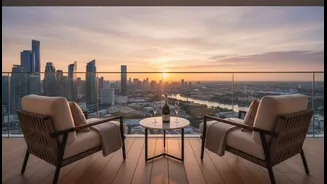
Splurging on these weekend trips doesn't just mean booking a five-star hotel. While comfort is key—with a majority of bookings going to four and five-star properties—the definition of luxury has evolved. Today's discerning traveller seeks unique, personalised, and immersive experiences. This could mean staying in a heritage palace in Rajasthan, a private villa in Goa, a boutique cottage in Rishikesh, or a restored Portuguese villa. The focus is on curated journeys that offer cultural immersion, privacy, and a sense of place. Travellers are willing to spend more on high-quality experiences that feel exclusive and memorable, even for a short duration. This shift prioritises the quality and intensity of the experience over the length of the stay.
The New Travel Calculus
While the per-night cost of a luxury weekend can be high, the overall financial outlay is often more manageable than a ten-day international vacation. This makes premium experiences more accessible to a broader audience. Travellers are making a conscious choice to invest in high-value, shorter trips that deliver maximum returns in terms of rest and enjoyment. This trend is visible not just in metros but is also seeing sharp growth from Tier 2 and Tier 3 cities. Proximity is also a major factor, with 'drivable destinations' and short-haul flights to places near major hubs like Mumbai, Delhi, and Bengaluru seeing a surge in popularity. This new travel calculus is all about efficiency—maximizing relaxation and experience within a minimal timeframe.