

Why Direct Heat Is the Enemy
Most graphic prints on clothing, whether on t-shirts or sweatshirts, are a form of plastic. Inks like plastisol are essentially liquid PVC that is cured onto the fabric's surface. Similarly, decorative vinyl transfers are heat-pressed adhesives. When
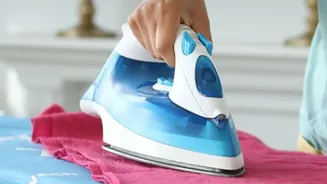
a hot iron makes direct contact, the high temperature can easily melt, smear, or burn these materials. This can lead to the design cracking, peeling off, or worse, sticking to the soleplate of your iron and creating a sticky, burnt mess. Coatings on fabrics, such as the water-resistant finish on a raincoat, are also sensitive to heat and can be permanently damaged by a hot iron, compromising the fabric's function and appearance.
The Golden Rule: Iron Inside-Out
The single most effective way to protect prints and coatings is to turn the garment inside-out before you begin ironing. This simple step ensures the hot metal plate of the iron never comes into direct contact with the delicate design. You will be ironing the reverse side of the fabric, allowing the heat to remove wrinkles without touching the print itself. For most garments, this is enough to get the job done safely and effectively. It’s a habit that eliminates the vast majority of ironing-related damage to printed clothes.
Use a Protective Barrier
Sometimes, ironing inside-out isn't enough, especially with stubborn wrinkles or thick fabrics. In these cases, or if you absolutely must iron on the printed side, always use a pressing cloth as a protective barrier. You don’t need a special tool for this; a clean, thin cotton cloth, a handkerchief, a piece of parchment paper, or even a pillowcase will work perfectly. Place the cloth over the design before pressing with the iron. This buffer distributes the heat more evenly and shields the print from direct, concentrated temperatures that could cause it to melt. Never use a coloured or patterned cloth as a pressing cloth on light fabrics, as the heat can cause the colour to transfer.
Check Your Settings: Low and Slow
High heat is the primary culprit behind damaged prints. Always start with your iron on a low to medium heat setting, such as the setting for silk or synthetics. It's much safer to gradually increase the temperature if needed than to start too hot and cause irreversible damage. Also, avoid using the steam function, especially on vinyl or heat-pressed designs. The moisture from the steam can loosen the adhesives that bond the print to the fabric, causing it to peel prematurely. When ironing, keep the iron moving in smooth, even strokes and avoid letting it sit in one spot for too long.
Caring for Coated Fabrics
Fabrics with special coatings, like waterproof jackets or pants with a glossy finish, require a unique approach. Direct heat can ruin these coatings, so ironing them is often not recommended. If you must press them, it should always be done on the wrong side of the fabric with a dry iron on the lowest possible heat setting. Never use steam. An alternative and often safer method for removing wrinkles from these types of garments is to use a handheld garment steamer, held a few inches away from the fabric, or to simply hang the item in a steamy bathroom after a hot shower.
When a Mistake Happens
If you've already made a mistake and a print has started to peel or detach, you might be able to save it. Place a piece of baking or parchment paper over the peeling area and press it with a warm, dry iron for about 10-15 seconds. The heat can sometimes reactivate the adhesive and stick the print back down. For cracked prints, special thermal adhesive flakes or patches are available that can be ironed on to fill the gaps. Unfortunately, a print that has melted or smeared is often permanently damaged, reinforcing the importance of preventative care.