



The Tiny Seed with a Big Impact
Flaxseeds, or alsi, may be small, but they are one of the most nutrient-dense foods on the planet. Their reputation as a heart-healthy hero comes from a powerful trifecta of components. First, they are the richest plant-based source of alpha-linolenic
acid (ALA), a type of omega-3 fatty acid. ALA is known for its anti-inflammatory properties and has been shown to help protect cardiovascular health. Second, flaxseeds are packed with lignans, a type of antioxidant that can help manage blood pressure and support overall arterial health. In fact, they contain 75 to 800 times more lignans than other plant foods. Finally, their high content of both soluble and insoluble fibre is a major win for your heart. Soluble fibre helps lower LDL (bad) cholesterol by preventing its absorption in the digestive system, a key factor in reducing the risk of heart disease.
Why Crushed Flaxseed is Crucial
The headline specifies 'crushed' flaxseeds for a very important reason: nutrient absorption. Whole flaxseeds have a tough outer shell that our digestive system cannot easily break down. If you eat them whole, they are likely to pass right through your body without releasing their valuable nutrients. Grinding the seeds breaks this barrier, unlocking the ALA, lignans, and fibre within. Think of it as opening a treasure chest. You can buy pre-ground or 'milled' flaxseed, but for maximum potency, it's best to buy whole seeds and grind them yourself in small batches using a coffee grinder or spice mill. This ensures freshness and prevents the healthy fats from oxidising and going rancid.
The Perfect Dal Upgrade
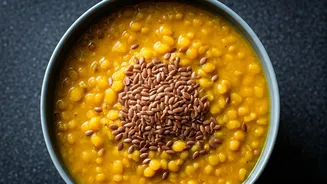
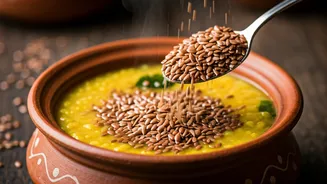
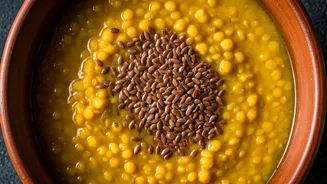
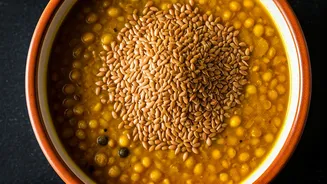
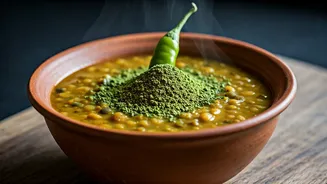
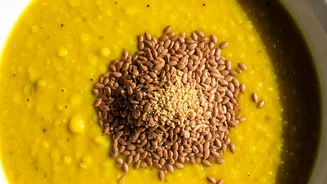
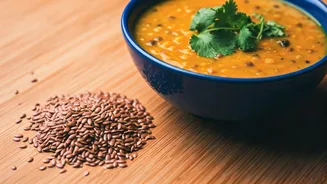
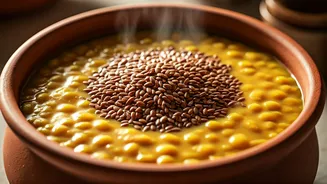
Integrating flaxseeds into your dal is incredibly simple. The key is to add the crushed seeds towards the end of the cooking process. A common recommendation for daily intake is one to two tablespoons of ground flaxseed. To add it to your dal, simply stir the powder in during the last two or three minutes of simmering. This is long enough for it to incorporate smoothly without exposing the delicate omega-3s to excessive heat for a prolonged period, which could degrade their quality. The powder will dissolve easily, acting as a subtle thickening agent and adding a mild, nutty flavour that complements the earthiness of the lentils and spices beautifully. It won't overpower the traditional taste of your favourite dal, whether it’s dal tadka, masoor dal, or sambar.
Beyond Dal: Other Ways to Use Flaxseed
While dal is a fantastic vehicle for your daily dose of flaxseed, its versatility doesn’t end there. You can easily incorporate the ground powder into numerous other Indian dishes and daily meals. Sprinkle a tablespoon over your morning bowl of poha, upma, or oats. Mix it into the dough for your roti or chapati for a fibre-rich boost. You can also blend it into smoothies, lassis, or raita, or stir it into your serving of yoghurt or porridge. The mild flavour makes it an unobtrusive addition to most savoury and sweet dishes, turning everyday meals into opportunities for better health without any extra fuss.
Buying and Storing for Freshness
To get the most benefit, freshness is key. As mentioned, the healthy fats in flaxseeds are prone to oxidation once the seed is ground. If you buy pre-ground flaxseed, look for brands that use opaque, vacuum-sealed packaging. Once opened, store it in an airtight container in the refrigerator or freezer to extend its shelf life and protect the nutrients. If you grind your own, only prepare enough for a week at a time and store it in the same way. Whole flaxseeds, on the other hand, are much more stable. They can be stored in a cool, dark place in an airtight container for up to a year.