





The Scale of the Power Surge
According to the International Energy Agency, the world's data centres, which are the backbone of the digital economy, are on track to dramatically increase their electricity consumption. The IEA's base case scenario projects that by 2030, global data centre electricity use
will roughly double, soaring to around 1,000 terawatt-hours (TWh). To put that number in perspective, it's more than the entire current annual electricity consumption of a country like Japan. This rapid expansion is largely fuelled by the explosive growth of artificial intelligence, which is far more energy-intensive than traditional computing tasks. The IEA estimates that electricity demand from data centres grew by 17% in 2025 alone, with AI-focused facilities seeing an even faster surge of 50%.
Why AI is So Thirsty for Energy
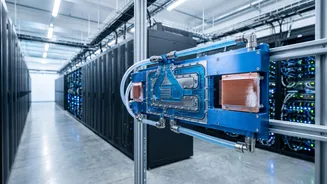
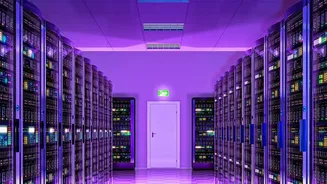
The reason AI consumes so much power lies in the hardware it runs on. Training and running complex AI models require specialised chips known as Graphics Processing Units (GPUs). Unlike standard processors (CPUs) that handle tasks sequentially, GPUs perform thousands of calculations simultaneously, which is ideal for machine learning. However, this parallel processing power comes at a cost. A single high-end AI GPU can consume between 700 and 1,000 watts of power. A server rack packed with these GPUs can draw as much electricity as dozens of homes. Furthermore, this intense computation generates a tremendous amount of heat, meaning a significant portion of a data centre's energy budget—often up to half—is spent not on computing, but on cooling systems to prevent the hardware from overheating.
The IEA's Global Projections
The IEA's analysis shows a significant divergence in how this new electricity demand will be met across the globe. In the United States, which, along with China, accounts for nearly 80% of global data centre growth to 2030, natural gas is projected to supply about 60% of the electricity for these facilities. In China, coal is expected to power roughly half of the country's AI data centres. The European Union presents a different picture, where renewable energy sources are anticipated to meet around 70% of data centre power needs by the end of the decade. This regional variation highlights a critical challenge: even as tech companies become the world's largest corporate buyers of renewable energy, the sheer growth in demand is pushing overall emissions from the data centre sector higher. The IEA forecasts a 70% increase in these emissions by 2030.
Straining Grids and Supply Chains
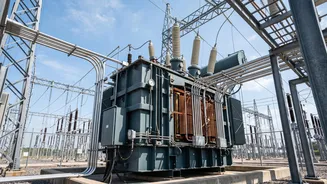
This unprecedented growth is not just an energy issue; it's an infrastructure one. The IEA warns that the rapid expansion of AI is putting significant pressure on electricity grids and the supply chains for essential equipment like transformers and gas turbines. Data centres tend to cluster in specific locations, which can create intense, localised demand that existing grids were not designed to handle. The timeline mismatch is stark: a large data centre can be built in about 18 to 24 months, while upgrading transmission lines and grid connections can take anywhere from four to ten years. This bottleneck is becoming a key factor in determining where new data centres can even be built, forcing developers to consider power availability as a primary constraint.
The Hunt for Efficiency and Solutions
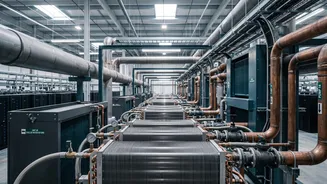
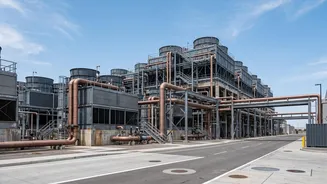
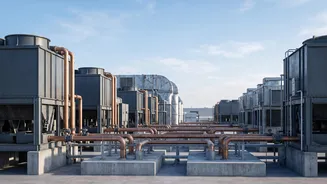
The technology industry is actively seeking solutions to mitigate this energy crisis. One major area of focus is improving the efficiency of both hardware and software. While overall demand is rising, the energy cost per AI task is actually falling rapidly. Another key strategy is improving cooling systems, which can account for a huge portion of energy use. The IEA notes that digital optimisation and advanced controls can yield significant energy savings in cooling infrastructure. There is also a growing movement to reuse the vast amounts of waste heat generated by data centres. This heat, captured and upgraded using heat pumps, can be used for district heating networks, turning a waste product into a valuable resource. Finally, the tech sector is driving innovation in energy production itself, from signing large-scale power purchase agreements for renewables to exploring next-generation nuclear reactors to provide clean, reliable power for their operations.