




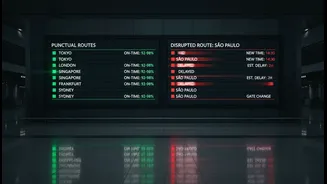


The New Deciding Factor: Punctuality
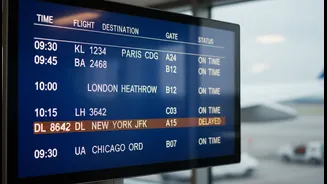
For years, the Indian air traveller’s decision-making was primarily driven by two factors: price and schedule. The cheapest flight or the one at the most convenient time almost always won. However, a new, powerful metric is entering the equation: on-time
performance (OTP). Frequent delays, last-minute cancellations, and the cascading chaos they cause have pushed punctuality from a ‘nice-to-have’ to a critical deciding factor. In an era of tightly scheduled business trips and valuable vacation days, time has become the ultimate currency. An unreliable airline doesn't just cause inconvenience; it can derail entire itineraries, making travellers question whether a cheap ticket is worth the risk of a significant delay.
From Brand Loyalty to Data-Driven Decisions
The loyalty that airlines spent years building is being tested. Passengers are increasingly looking past familiar brand names and focusing on hard numbers. This behavioural shift is powered by the growing accessibility of airline performance data. The Directorate General of Civil Aviation (DGCA) publishes monthly reports on the on-time performance of domestic airlines, which are widely covered by the media. This transparency allows passengers to see which carriers consistently meet their schedules and which ones lag behind. Instead of relying on past personal experiences or brand reputation alone, travellers are now acting like savvy analysts, rewarding reliable airlines with their business and effectively penalising those with poor track records.
India’s Punctuality Scorecard
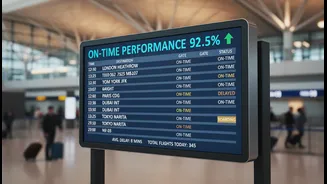
So, who is winning the punctuality race in India? Based on recent data, a clear hierarchy has emerged. DGCA reports for domestic operations at major metro airports often show IndiGo leading the pack, with an on-time performance frequently in the 80-85% range. Newcomer Akasa Air has also established itself as a strong contender, often recording an OTP of 78-82%. In a significant turnaround, Air India has been making notable strides. According to a June 2026 report from global aviation analytics firm Cirium, Air India ranked as the fourth most punctual airline worldwide, with an impressive on-time arrival rate of 86.85%. This reflects the airline's post-takeover efforts to improve operational efficiency. Conversely, some airlines have struggled; DGCA data from May 2026 showed SpiceJet at the bottom of the list with a much lower OTP.
How to Check an Airline’s Track Record
Empowering yourself with this data is easier than you might think. Here are a few ways to check an airline's performance before you book: DGCA Reports: While the official DGCA website is the primary source, many major news outlets provide easy-to-read summaries of the monthly OTP reports. A quick search for "DGCA airline performance" will often yield the latest rankings. Flight Tracking Websites and Apps: Services like Flightradar24, FlightAware, and FlightStats offer real-time and historical data on flights. You can search by flight number or route to see its recent on-time history, giving you a good idea of its reliability. Some apps even predict delays based on the inbound aircraft's status. * Google Search: Simply typing a flight number (e.g., "AI 805") into the Google search bar often brings up a status box with real-time information sourced from these tracking services.
What This Means for the Future of Air Travel
This growing consumer focus on punctuality is more than just a trend; it's a powerful force for change. As more passengers vote with their wallets, airlines are facing increased pressure to not only improve their operations but also be more transparent about their performance. The ability to maintain a reliable schedule is becoming a key competitive advantage. This could lead to better contingency planning, more efficient turnaround processes, and ultimately, a more dependable air travel experience for everyone. Airlines that successfully manage their schedules will likely see stronger customer loyalty and a better reputation, while those that don't may find it increasingly difficult to compete, regardless of their pricing.