





The Search for Unfiltered Authenticity
Generation Z, born and raised in an era of pervasive digital advertising, has developed a sophisticated filter for corporate messaging. [2, 24] They can spot a sales pitch from a mile away and have grown skeptical of the polished, often perfected, image
brands present on their official product pages. [24] This generation doesn't want to be marketed to; they want to be talked with. They crave transparency and relatability, values they find in creators who share genuine, unfiltered experiences. [3, 7] A study highlights that 41% of Gen Z consumers trust a product recommendation from an influencer more than a direct ad from a business. [21, 22] This is because creators often build a relationship with their audience by sharing both the pros and cons of a product, which signals honesty and builds a layer of trust that brand-controlled content struggles to achieve. [24]
Social Feeds as the New Digital Storefront
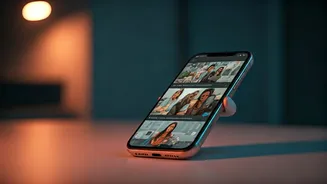
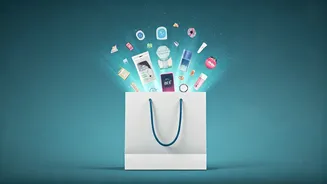
For Gen Z, product discovery no longer starts with a Google search. It begins passively within the feeds of TikTok, Instagram, and YouTube. [19] According to one 2025 report, over 50% of Gen Z consumers find products primarily through social media, compared to just under 19% who use a search engine. [19] These platforms have transformed from simple social networks into powerful engines for commerce, where trends are born and buying decisions are heavily influenced. [20, 13] Brands like Flipkart have noted this shift in India, where two in three beauty searches on their platform now originate from non-metro cities, driven by trends popularised by thousands of creators. [18] Creators function as trusted guides in this ecosystem, showing products in real-life contexts and providing peer-like recommendations that feel more credible than a static product description. [4, 12]
From Product Specs to Personal Stories
A traditional product page is designed to sell. It lists features, specifications, and carefully selected five-star reviews. A creator’s review, on the other hand, tells a story. It answers the questions a potential buyer actually has: How does it feel? Does it work for someone with my skin type? Is it worth the money? This narrative-driven approach is far more compelling for a generation that values experiences over possessions. [8] Research shows that this peer-to-peer style content, often called User-Generated Content (UGC), can lead to significantly higher conversions than brand-created media. [24] Studies have found that most Gen Z consumers have made purchases directly based on influencer recommendations, demonstrating the power of these relatable testimonials. [9] They are not just buying a product; they are buying into the lifestyle and identity the creator represents. [8]
How Brands Must Adapt to Survive
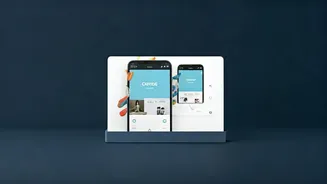
This shift in trust doesn't mean product pages are obsolete, but their role has changed. They are no longer the point of discovery but the point of confirmation. After a consumer is convinced by a trusted creator, they might visit the brand's site to finalise the purchase. The key for brands is to embrace the creator economy not as a fringe marketing tactic, but as a central part of their strategy. [5] This means moving beyond celebrity endorsements to collaborations with micro- and nano-influencers who have smaller but highly engaged and trusting communities. [10] Success in the Gen Z market depends on letting go of control over the brand narrative and allowing authentic voices to tell the story. [6, 24] As India's Gen Z becomes one of the most powerful consumer cohorts, accounting for a massive share of spending in categories from fashion to travel, this adaptation is no longer optional. [14, 15]