





Fabric Is Your First Defence
The foundation of a sensible monsoon wardrobe lies in fabric choice. Heavy materials that absorb water are your worst enemy. Pure cotton, for instance, gets soggy and takes ages to dry, while heavy denim becomes stiff and uncomfortable. [8, 15] Instead,
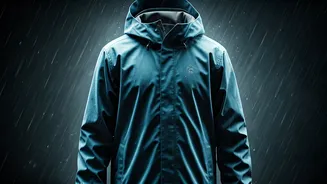
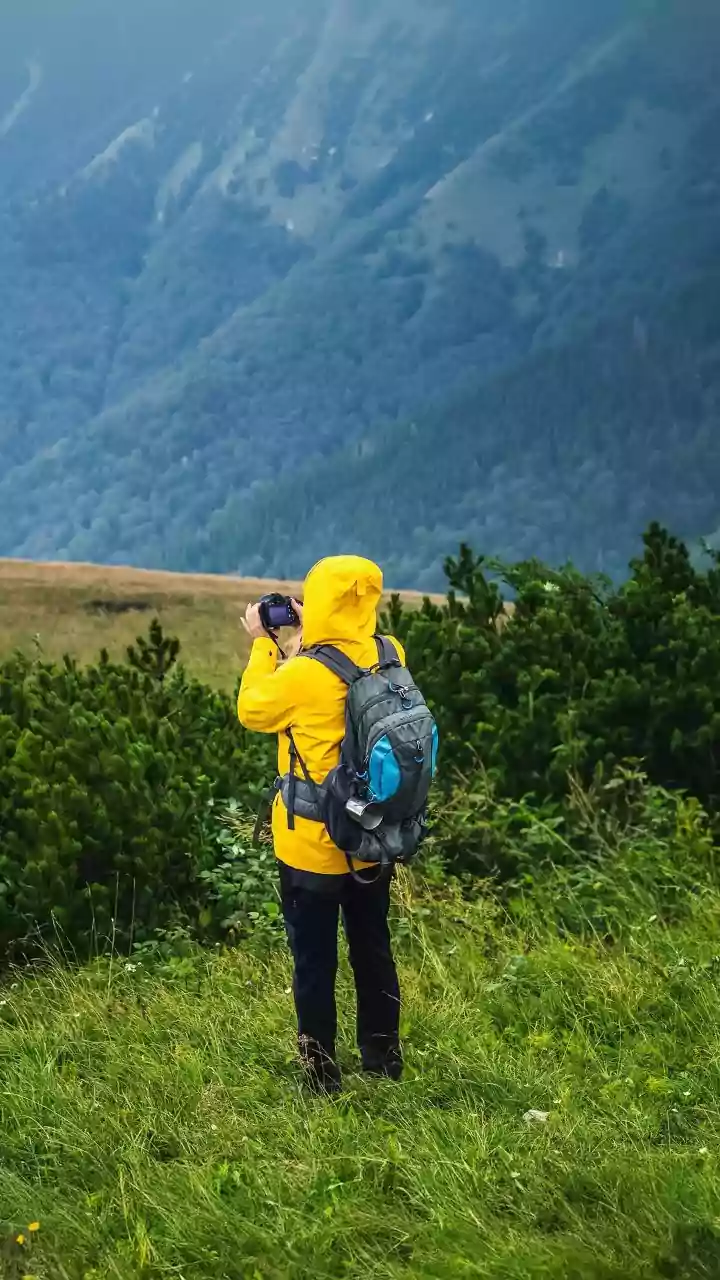
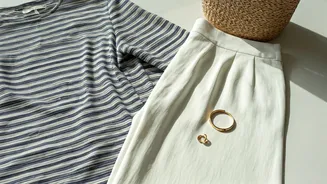
opt for lightweight, breathable, and quick-drying materials. Polyester and nylon are excellent choices as they naturally repel water, keeping you drier during unexpected showers. [4, 6, 8] Blends are also a smart move; a cotton-polyester mix offers the comfort of cotton but with the quick-dry benefits of a synthetic. [4, 8] For a more natural feel, linen and rayon are surprisingly effective. [2, 7] While they get wet, they dry remarkably fast and don't cling to the skin, which is crucial in high humidity. [2, 7] Fabrics like georgette and crepe are also great as they don't stick to your body and maintain their shape when damp. [9]
Rethink Your Hemlines and Silhouettes
Long, flowing trousers and maxis are a recipe for disaster when navigating waterlogged streets. The key is to keep your hemlines off the ground. Cropped trousers, culottes, and capris are your best friends this season, saving you from muddy cuffs and the tedious task of holding up your pants. [9] For casual days, don't underestimate the power of shorts made from quick-drying materials like terry cloth or nylon. [3, 15] When it comes to dresses and skirts, midi-lengths are perfect. [23] Look for silhouettes that offer breathing room, like A-line cuts, wrap dresses, or breezy kaftans, which prevent the fabric from clinging to you in the sticky weather. [9, 23] An oversized shirt can also be a stylish way to stay cool while looking put-together. [23]
Footwear: The Make-or-Break Choice
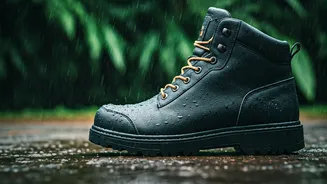
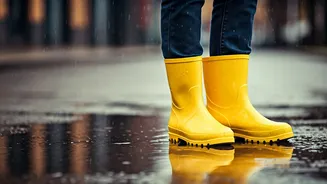
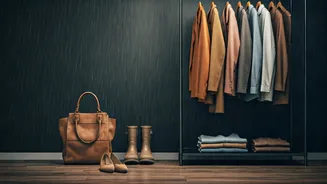
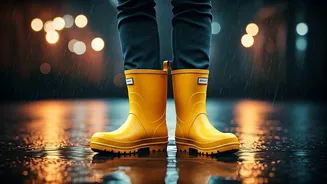
This is where the “less suede” rule is non-negotiable. Suede, leather, and canvas shoes are sponges for water and can be permanently damaged, not to mention they become a breeding ground for mould. [2, 13] The smartest monsoon footwear is waterproof, easy to clean, and has a good grip to prevent slips. [18] Rubber or EVA slides, floaters, and stylish clogs are excellent choices. [3, 11] They can handle puddles without a problem and can be wiped clean. For a more covered option, look for synthetic sneakers or water-resistant boots with rubber soles. [2] Many brands now offer a wide array of stylish waterproof footwear, so you don't have to sacrifice aesthetics for practicality. [11, 21, 22, 24] Always rotate your shoes to allow them to dry completely between wears. [13]
A Smart Colour and Accessory Strategy
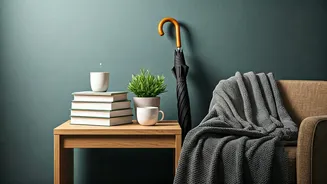
While it's tempting to wear bright colours to combat the gloomy weather, dark shades are more practical. [2, 13, 25] Navy, charcoal, olive, and black are adept at hiding mud splashes and water marks. [2, 13] If you love colour, consider incorporating it through prints, which are also great for camouflaging stains. [9] When it comes to accessories, think function-first. A sturdy, windproof umbrella and a waterproof bag are non-negotiable essentials to protect you and your belongings. [26] Opt for lightweight jewellery and consider a water-resistant watch to complete your look without worry. [14]
Mastering Monsoon Laundry and Care
The battle against monsoon dampness continues even after you get home. High humidity means clothes take longer to dry and can develop a musty smell from mildew. [10, 16] To combat this, wash smaller loads and use the machine's spin cycle to remove as much excess water as possible. [16] Dry clothes on an indoor rack in a well-ventilated area, preferably with a fan running to improve air circulation. [5, 16] Don't overcrowd the rack; give each item space to breathe. [16] To fight odours, you can add a half-cup of white vinegar to the rinse cycle, which acts as a natural deodoriser. [19] For storage, ensure clothes are completely dry and use silica gel packs or camphor balls in your wardrobe to absorb excess moisture. [5, 20]