







The Silent Structural Sabotage
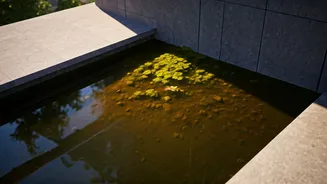
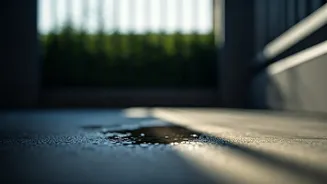
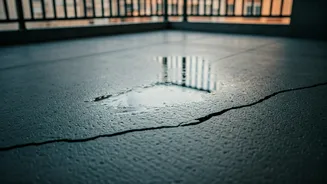
Seemingly harmless puddles that linger on your balcony for hours or days are a sign of trouble. Concrete, though it feels solid, is a porous material that absorbs water. When water is allowed to sit, it seeps into the concrete, slowly weakening it from
the inside. This process can lead to cracking, chipping, and spalling, where the surface of the concrete begins to flake away. Even more dangerously, this moisture can reach the steel reinforcement bars (rebar) embedded within the concrete slab. As the rebar rusts and corrodes, it expands, putting immense pressure on the surrounding concrete and compromising the balcony's structural integrity. What starts as a small puddle can eventually lead to costly and complex structural repairs.
A Breeding Ground for Health Hazards
Beyond structural concerns, standing water poses significant health risks. In a tropical climate like India's, stagnant water is an ideal breeding ground for mosquitoes, which can transmit serious diseases like dengue, malaria, and Zika. A small, forgotten puddle on a balcony can become a thriving mosquito nursery in just a few days. Furthermore, the constant dampness encourages the growth of mould and mildew. These fungi release spores into the air that can trigger allergies, asthma attacks, and other respiratory problems, affecting the air quality both on your balcony and inside your home. Direct contact with contaminated stagnant water can also lead to skin infections.
The Cosmetic Damage
The long-term presence of water also takes a toll on your balcony's appearance. It can cause paint to peel and blister on adjacent walls, leave behind ugly, discoloured stains on tiles and concrete, and make grout soft or crumbly. You might also notice a white, chalky substance known as efflorescence, which is salt deposits left behind as water evaporates. This combination of issues can make your prized outdoor space look grimy and poorly maintained, diminishing your enjoyment of it and potentially affecting your property's value.
Your Balcony Health Checklist: Prevention is Key
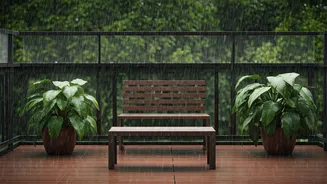
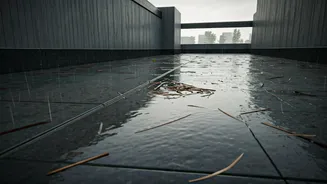
The best way to fight this villain is through proactive prevention, especially before and during the monsoon season. Regularly check for and address these key areas: Ensure Proper Slope: A balcony floor should have a slight slope that directs water towards the drain, not away from it. If your balcony has flat or reverse-sloping areas, water will pool. Keep Drains Clear: This is the simplest yet most crucial task. Regularly remove leaves, dirt, and any other debris that could clog your balcony's drainage outlets. A blocked drain is a primary cause of water accumulation. Inspect Waterproofing: Over time, waterproofing membranes and coatings can wear out, crack, or get damaged, allowing water to seep in. Periodically inspect the surface for any signs of wear and tear, especially if your building is older. Manage Potted Plants: While plants add life to a balcony, they can also contribute to water problems. Use deep saucers under pots to catch overflow and empty them after watering or rain. Consider raising pots on small feet or stands to allow air to circulate underneath and prevent water from being trapped.
When to Call for Help
If you already see signs of significant damage—like soft spots on the floor, large cracks, or water stains on the ceiling of the floor below—it's time to call a professional. These are indicators that the problem may have progressed beyond a simple fix. A structural engineer or a building contractor can assess the extent of the damage and recommend the appropriate course of action, which might involve reapplying a waterproofing membrane, repairing concrete, or correcting the slope of the floor. While minor cleaning and drain clearing can be a DIY task, significant repairs should be left to experts to ensure the safety and longevity of your balcony.