







The City's Natural Sponge
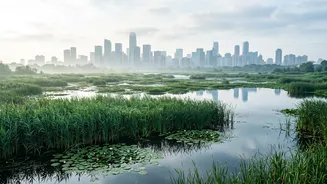
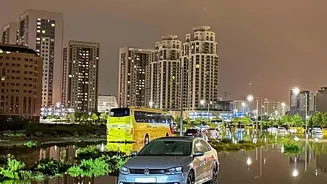
Think of a wetland as a giant, natural sponge. When heavy rains arrive, instead of water overwhelming drains and flooding streets, wetlands absorb and store vast quantities of it. Their vegetation and soil act as a buffer, slowing down the release of water and allowing
it to seep gently into the ground, which recharges vital groundwater aquifers. A single acre of wetland can store over a million gallons of floodwater. In cities dominated by impervious surfaces like roads and buildings, which accelerate runoff, this natural flood defense is indispensable. The alternative is often costly engineered solutions like floodwalls and larger drainage systems, which lack the additional benefits wetlands provide.
Islands of Urban Biodiversity
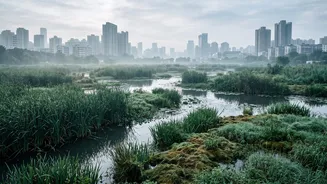
Urban wetlands are bustling hubs of life in otherwise built-up environments. They provide critical habitats for a surprising array of species, including resident and migratory birds, fish, amphibians, insects, and native plants. These 'biodiversity islands' function as essential stopovers for migratory birds and provide year-round resources for local wildlife. This isn't just a matter of preserving nature for its own sake; this biodiversity supports the entire urban ecosystem. Pollinators that thrive in wetlands are essential for green spaces, and the complex food webs they support are a sign of a healthy, resilient environment. Globally, about 40% of all plant and animal species live or breed in wetlands.
The Kidneys of the Landscape
Often called 'nature's kidneys', wetlands are remarkably effective at purifying water. As water flows through them, the plants and soil trap sediments, filter out pollutants, and absorb excess nutrients from sources like sewage and industrial runoff. Microbes in the wetland soil can even break down harmful chemicals into less toxic forms. This natural filtration process cleans the water before it enters rivers or lakes, reducing the burden and cost of water treatment. Some studies have shown that wetlands can remove up to 90% of nitrogen and phosphorus from water, preventing harmful algal blooms downstream.
India's Disappearing Lifelines
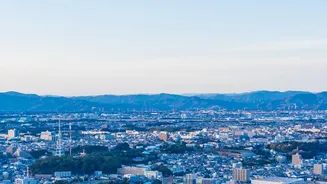
Despite their immense value, India's urban wetlands are disappearing at an alarming rate. It is estimated that India has lost nearly a third of its natural wetlands over the last few decades to unchecked urbanisation, pollution, and land conversion. Major cities have seen catastrophic losses: Mumbai has lost around 71% of its wetlands, Bengaluru 56%, and Chennai a staggering 90%. This destruction is a primary cause of the increased frequency of urban flooding and water scarcity faced by these cities. Often mistakenly viewed as wastelands, these vital ecosystems are illegally filled for construction, used as dumping grounds, or choked by untreated waste.
A Path Towards Restoration
The good news is that awareness is growing, and restoration efforts are proving successful. In Delhi, biodiversity parks like Neela Hauz have been revived from polluted water bodies into thriving ecosystems. In Chennai, the eco restoration of the Sembakkam Lake aims to improve its water storage capacity by nearly 40% and revive its function as a habitat and flood buffer. These projects demonstrate that with community involvement, scientific planning, and government support, it is possible to bring these urban lifelines back from the brink. Protecting our remaining wetlands and restoring degraded ones is not just an environmental issue—it's a critical component of smart urban planning for a resilient future.