




October’s Celestial Highlights
October 2026 is a busy month for sky-watchers in India. The action begins early with Saturn reaching opposition on October 4. This is when Earth passes directly between the sun and Saturn, making the ringed planet appear at its biggest and brightest for the year.
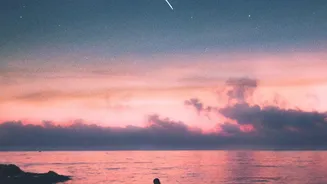
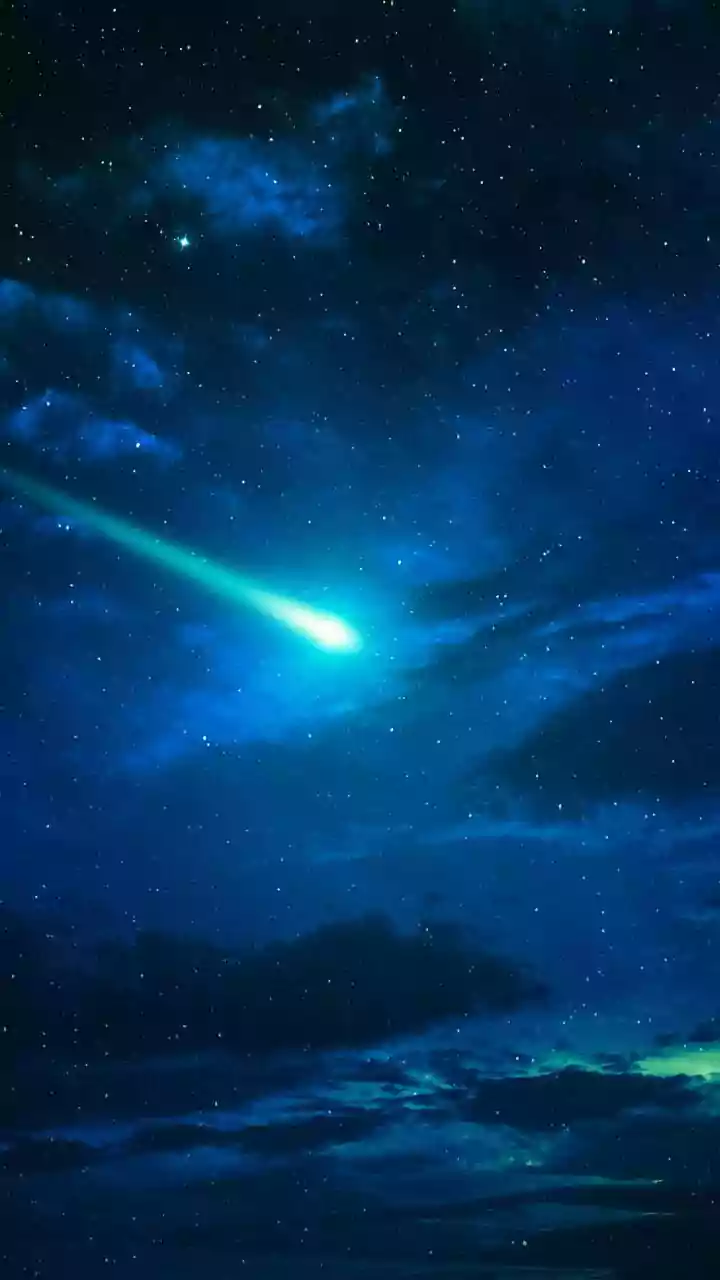
It will be visible all night long, rising around sunset, making it a perfect target for even a small telescope or powerful binoculars. Two meteor showers also peak this month. First are the Draconids, peaking on the night of October 8-9. This is a gentle shower, usually producing about 5-10 meteors per hour, but 2026 offers ideal viewing conditions with no moonlight to interfere. Unlike most showers, the Draconids are best viewed in the early evening, just after dark. Later in the month, the more prolific Orionid meteor shower, born from the debris of Halley's Comet, peaks on the night of October 21-22. Expect to see around 15-20 fast, bright meteors per hour in a dark sky. A bright moon will affect viewing early in the night, but it sets a few hours before dawn, opening a perfect window for watching the show in the pre-dawn hours.
Where to Go: India’s Dark Sky Havens
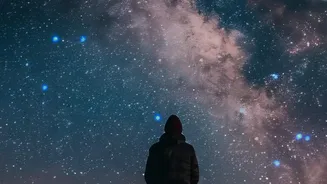
To truly appreciate the night sky, you need to escape the light pollution of the cities. India is blessed with several locations offering pristine, dark skies. Topping the list is Hanle in Ladakh, home to India's first official Dark Sky Reserve. At an altitude of 4,500 metres, the dry, thin air provides exceptionally clear views, making the Milky Way visible to the naked eye. Spiti Valley in Himachal Pradesh is another high-altitude cold desert that offers spectacular, sharp views of the cosmos with minimal light interference. If a Himalayan expedition isn't feasible, the Rann of Kutch in Gujarat offers a dramatically different but equally stunning experience. The vast, flat salt desert provides an uninterrupted 360-degree view of the sky. In South India, the coffee estates of Coorg, Karnataka, nestled in the Western Ghats, offer surprisingly dark skies away from major city lights. Other notable spots include Jaisalmer in Rajasthan, the Andaman Islands, and hill stations in Uttarakhand like Kausani and Mukteshwar.
Your Stargazing Starter Kit
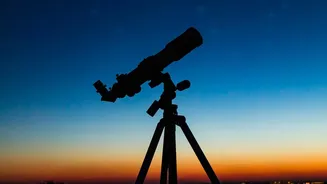
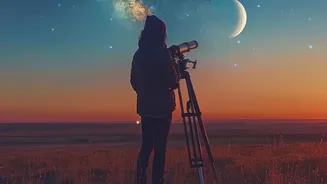
You don’t need expensive equipment to start stargazing, but a few items will greatly enhance your experience. Start with a stargazing app on your phone, such as Stellarium or Sky Guide. These apps use your location to show you a map of the sky in real-time, helping you identify constellations, planets, and satellites. Remember to use the red-light mode to preserve your night vision. A pair of binoculars is the next best investment, powerful enough to reveal craters on the moon, the moons of Jupiter, and the fuzzy glow of distant star clusters and nebulae. Finally, dress in layers. Even in warmer regions, temperatures can drop significantly during the night, especially in high-altitude or desert locations. A comfortable chair or a blanket to lie on will make your viewing session much more enjoyable.
Tips for the Best Viewing Experience
The most crucial rule of stargazing is patience. It takes about 20 to 30 minutes for your eyes to fully adapt to the darkness, a process called dark adaptation. During this time, avoid looking at any white light, especially your phone screen, as it will instantly reset your night vision. If you need a flashlight, use one with a red filter. Before you head out, check the weather forecast for clear skies and the lunar calendar for the phase of the moon. The best time for stargazing is always the week around the new moon, when the sky is at its darkest. When observing, don't just stare at one spot. Scan the sky slowly and use your peripheral vision, which is more sensitive to faint light. Most importantly, allow yourself to be immersed in the silence and scale of the universe above you.