



The Joy of a Quick Harvest
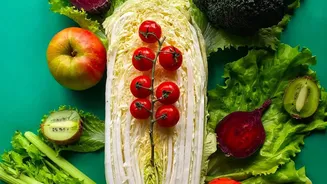
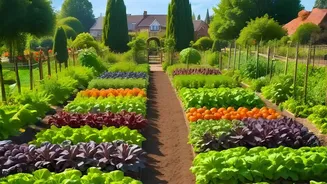
There is a special kind of satisfaction that comes from planting a seed and, within a few short months, enjoying the literal fruits of your labour. This is the world of seasonal vegetable gardening. Tomatoes, chillies, spinach, and beans offer a rapid
turnaround, allowing a gardener to experience a full life cycle from sowing to eating in a single season. The initial cost is low, and the variety is endless; you can change your entire garden's 'personality' from one year to the next. This approach provides a constant sense of accomplishment and a steady supply of fresh produce for your kitchen. It is a cycle of renewal, offering a fresh start every few months and the flexibility to experiment with new crops and layouts.
The Patient Gardener's Grand Prize
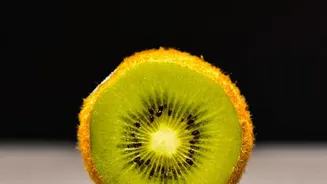
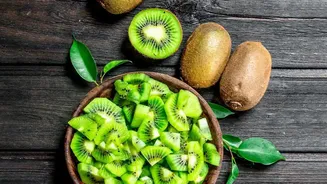
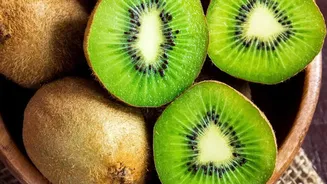
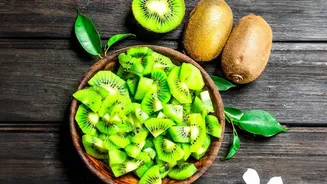
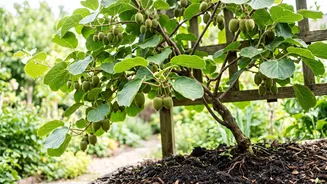
In the other corner stands the kiwifruit vine, a true testament to patience and long-term vision. Unlike annual vegetables that live for a single season, a hardwood kiwifruit vine is a perennial—a long-term resident of your garden. Once established, a single vine can live and produce fruit for over 20, and sometimes up to 50, years. This is not a plant for the impatient gardener. It requires a significant upfront investment in a strong trellis system to support its vigorous growth. Furthermore, you will need to wait anywhere from three to five years after planting before you see your first proper harvest. The reward for this patience, however, is decades of delicious, nutrient-rich fruit from a plant that becomes a permanent, living part of your home's landscape.
A Tale of Two Timelines
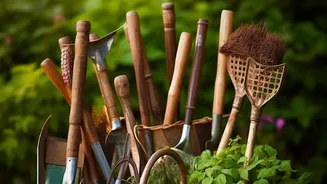
The effort involved in these two gardening styles is vastly different. Seasonal vegetables demand constant attention over a short period: preparing the soil, sowing seeds, watering regularly, and then clearing the beds to start all over again. It’s a recurring cycle of intense activity. Kiwifruit cultivation, by contrast, is front-loaded. The initial years involve significant work in building a support structure and training the young vines. Once the vine is mature, the main work shifts to annual pruning during its winter dormancy to manage its vigorous growth and ensure a good fruit yield for the next season. While vegetables require yearly replanting, an established kiwifruit vine simply needs this regular maintenance to continue its decades-long production.
Growing Kiwi in India
While often associated with New Zealand, kiwifruit is native to China and can be grown in India, particularly in temperate regions. Hilly states like Himachal Pradesh, Uttarakhand, and Arunachal Pradesh provide the ideal climate with the necessary chilling hours (500-800 hours between 0-7°C) that the vines need to set fruit. Choosing the right variety is crucial; cultivars like Hayward, Allison, and Bruno are well-suited for the Himalayan region. It's also important to remember that most kiwi plants are dioecious, meaning you'll need both male and female plants for pollination—typically one male for every six to eight female vines. The soil should be well-drained and slightly acidic, and the vines need a spot with plenty of sun to ripen the fruit.
The Best of Both Worlds
Ultimately, the choice between seasonal vegetables and a perennial fruit vine is not necessarily an either-or decision. Many gardeners find the most rewarding approach is a combination of both. While you wait for your kiwifruit vines to mature over those first few years, the surrounding space can be filled with colourful and productive beds of seasonal vegetables. You can enjoy your quick-harvest brinjal and bhindi while your long-term investment slowly climbs its trellis. This strategy provides the immediate joy and variety of annuals while building toward the lasting legacy of a perennial. It turns your garden into a space that offers both instant gratification and future abundance.