



The Science of a Sip
Temperature isn't just a matter of preference; it's a fundamental component of flavour. Our perception of taste is a complex interplay between our taste buds and our sense of smell, both of which are highly sensitive to temperature. The microscopic channels
in our taste receptor cells for sweet, bitter, and umami flavours are regulated by heat. Studies show they are most active in a specific range, roughly between 15°C and 35°C. Outside of this lukewarm window, their signals to the brain can be weaker. As a general rule, warming food and drink can intensify sweetness and bitterness, while saltiness and sourness are less affected. This is why a cup of coffee that has gone cold tastes so much more bitter. Conversely, extreme cold can numb our taste buds, dulling our ability to perceive complex flavours.
An Aroma's Journey
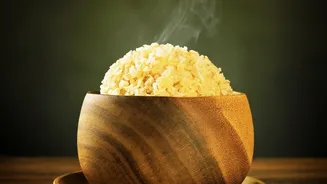
A huge part of what we call flavour is actually aroma. When you chew, volatile organic compounds (VOCs) are released from your food and travel up to your olfactory receptors in the nose. Heat gives these molecules energy. Warming up food increases the volatility of these aromatic compounds, meaning they evaporate more easily and create a stronger, richer scent. Think of the irresistible smell of freshly baked bread or a simmering curry; that's the magic of heat releasing aroma. Cold, on the other hand, suppresses this process. Fewer aromatic compounds are released from chilled food, which is why a cold dish can seem bland in comparison to its heated counterpart.
Mouthfeel and Texture
Temperature also dramatically changes the physical structure of what we eat, affecting its texture and mouthfeel. Fats are a prime example. When cold, fats like butter or the marbling in a steak are firm and solid. As they warm, they melt, becoming liquid and coating the tongue. This helps spread flavour more evenly across your palate. It's why cheese often has a more pronounced and creamy taste at room temperature than straight from the fridge. The texture of liquids also changes. Carbonated drinks lose their fizz faster when warm, while a chilled soup will feel thicker and more viscous than a hot one. Even fruits and vegetables can be affected; a chilled tomato can taste mealy and bland because the cold has tightened its cellular structure and muted its flavour.
In Your Glass
Nowhere is the effect of temperature more debated than with beverages. For wine, serving it at the correct temperature is crucial. Serving a full-bodied red wine too cold will suppress its fruity aromas and highlight its tannins, making it taste harsh. Serving it too warm (at a high room temperature) can make it taste overly alcoholic. A good range for most reds is 15-18°C. White wines are served chilled (7-10°C) to preserve their crispness and delicate aromas. Beer also has its rules. While ice-cold lager is refreshing, many ales and stouts have complex flavours that are muted by extreme cold and are better served slightly warmer, around 10-13°C. Even coffee has a sweet spot; while brewed hot, the ideal drinking temperature for appreciating its flavour is around 60°C.
On Your Plate
You can use this knowledge to become a better cook and host. Take cheese out of the refrigerator 30-60 minutes before serving to allow its flavours and aromas to bloom. Let rich chocolate desserts warm up slightly; as they do, the sweetness becomes more apparent. If you find certain vegetables too bitter, serving them piping hot can help reduce that perception. When you order a flavourful curry, it arrives steaming for a reason—the heat carries the complex blend of spices to your nose and palate. If you eat the leftovers cold the next day, you’ll notice that many of those nuanced flavours seem to have disappeared, trapped by the cold. Reheating it not only makes it more palatable but genuinely restores its intended flavour profile.