






Why Healthy Plants Smell Better
A plant's fragrance is its way of communicating, primarily to attract pollinators like bees and butterflies. Producing these complex scents, which are made of volatile organic compounds, requires a significant amount of energy. A plant that is stressed—whether
from lack of water, poor nutrition, or disease—must divert its energy to survival. It simply doesn't have the resources to produce abundant, fragrant blooms. A healthy, thriving plant, on the other hand, has plenty of energy to invest in creating large, numerous, and intensely aromatic flowers. In short, fragrance is a sign of vitality; a happy plant is a fragrant one.
Choose Your Fragrance Champions
Instead of buying a dozen different plants, start with a few proven performers that suit your balcony's specific conditions. For sunny spots across India, classics like Mogra (Arabian Jasmine) and various other Jasmine (Chameli) varieties offer an unforgettable evening fragrance and do well in pots. Raat Ki Rani (Night-blooming Jasmine) is another powerhouse, releasing its scent after dark. For something unique, Parijat drops its fragrant white-and-orange flowers at dawn, creating a scented carpet. Gardenia (Gandharaj) provides a rich, sweet scent, especially in humid conditions. The key is to match the plant to your light. Six or more hours of sun will suit roses and hibiscus, while shadier spots are better for some ferns and foliage plants.
Give Them Room to Breathe
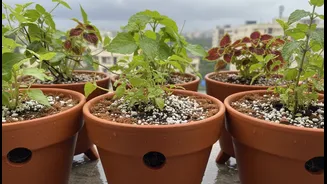
One of the most common mistakes in balcony gardening is underestimating a plant's mature size and cramming it into a small pot. Overcrowding leads to a fierce competition for water, nutrients, and root space, stressing all the plants involved. As a general rule, a bigger pot is better. It holds more soil, which means it retains moisture longer and provides a more stable environment for roots. For small shrubs like Mogra or rose varieties, a pot of at least 10-15 litres is a good starting point. For climbers like Jasmine, a larger, deeper container (20 litres or more) will support healthier growth and more prolific flowering. Giving each plant adequate space is a direct investment in its health and, consequently, its fragrance.
The Foundation of Good Health: Soil and Food
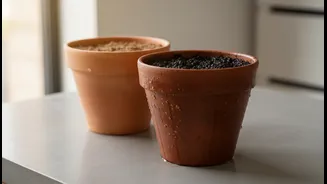
Never use heavy, dense garden soil in your pots. It compacts easily, suffocating roots and holding too much water, which can lead to rot. Instead, use a high-quality potting mix specifically designed for containers. These mixes are lighter and contain ingredients like coco peat, perlite, and compost, which provide the perfect balance of aeration, drainage, and moisture retention. Fragrant flowering plants are also hungry plants. To fuel all those beautiful blooms, they need regular feeding. During their growing season (typically spring and monsoon), apply a balanced liquid fertiliser or a compost-based nutrient mix every few weeks. This ensures they have the essential nutrients, like phosphorus and potassium, needed for flower and scent production.
Mastering the Art of Watering and Care
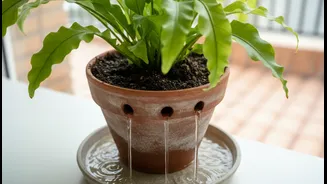
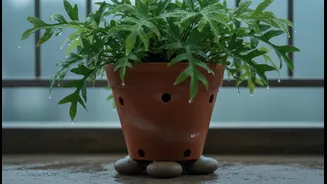
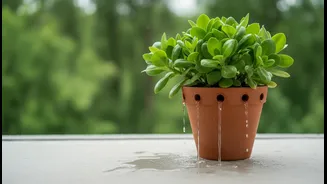
Inconsistent watering is a major source of plant stress. The goal is to keep the soil consistently moist but not waterlogged. The best way to check is to stick your finger about an inch into the soil. If it feels dry, it's time to water. When you do water, do it thoroughly until water runs out of the drainage holes at the bottom of the pot. This encourages deep root growth. Also, don't neglect basic maintenance. Regularly remove any yellowing leaves or spent flowers (a process called deadheading). This not only keeps the plant looking tidy but also directs its energy towards producing new, fragrant blooms rather than seeds.