



The Global Seal of Approval
It’s official: the culinary world is taking notice. Major travel and food authorities have started spotlighting Kerala's unique gastronomic landscape. Most notably, the esteemed travel guide Lonely Planet included Kerala's food culture in its 'Best in Travel
2026' list, placing it among the top 25 experiences in the world. [4, 5, 8] Under the banner “Dig in to Kerala's Culinary Culture,” the publication celebrated the state as a must-visit destination for food lovers, making it the only Indian state featured on the list. [4, 9] Adding to the buzz, F&B intelligence platform Datassential named Keralan food its “Cuisine to Know for 2026,” noting its growing presence on menus across the United States and a significant interest from consumers eager to try its offerings. [7] This isn't just a fleeting mention; it's a clear signal that the intricate and aromatic flavours of Kerala are resonating with a global audience. [3]
What's the Secret? More Than Just Spice
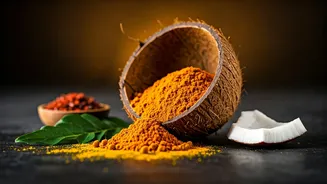
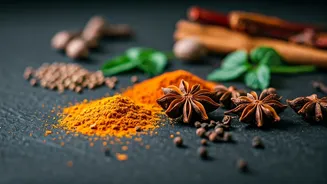
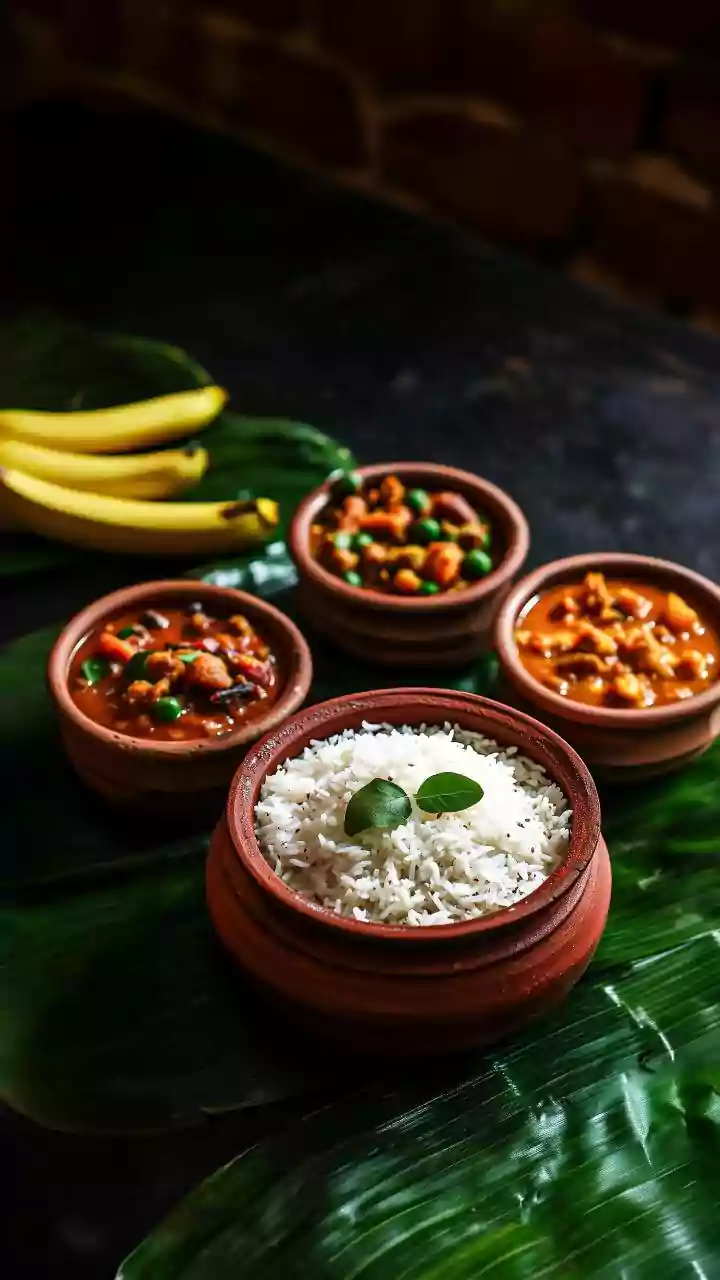
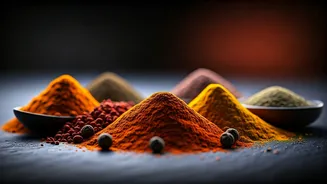
So why now? The appeal lies in a unique combination of authenticity, wellness, and flavour complexity that perfectly aligns with modern food trends. [3] Keralan cuisine is defined by its use of fresh, local ingredients—think coconut in all its forms (milk, oil, grated), tangy kodampuli (Malabar tamarind), and an array of fragrant spices like black pepper, cardamom, and curry leaves that once drew traders from across the globe. [2, 8] Unlike the heavy, cream-based curries that once defined Indian food for much of the world, Keralan dishes are often lighter, with a nuanced balance of flavours. [22] This emphasis on fresh produce, seafood, and veggie-forward dishes also taps into the growing global demand for healthier, plant-based, and sustainable eating. [3, 7]
Dishes Leading the Charge
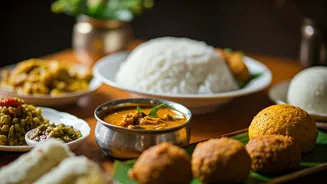
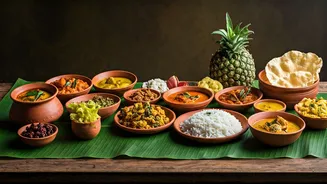
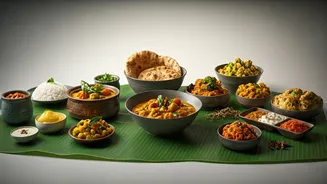
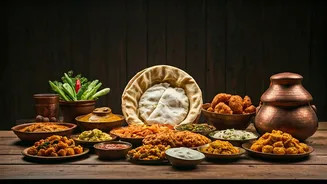
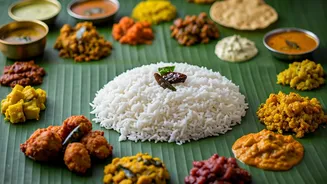
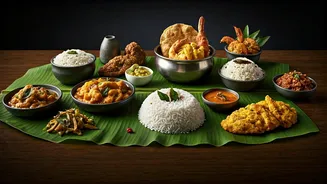
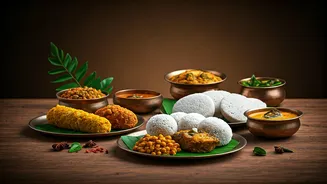
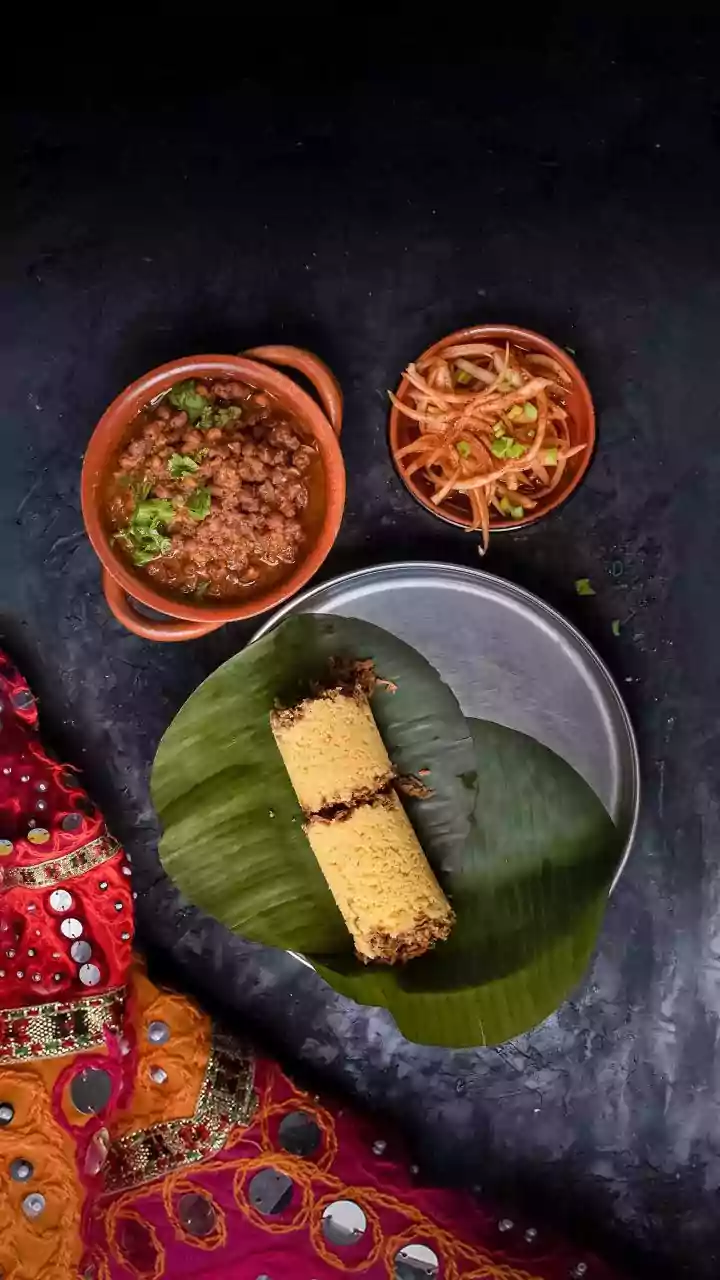
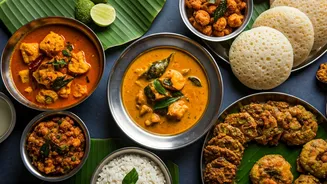
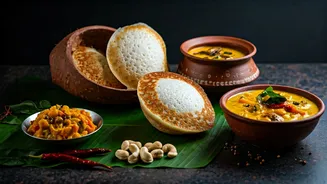
Certain dishes have become ambassadors for the cuisine's global rise. The Appam, a soft, lace-edged rice pancake, paired with a mild, coconut-milk-based stew (Ishtu), offers a comforting and gentle introduction to the region's flavours. [2, 5] For those seeking something more robust, there's Karimeen Pollichathu—pearl spot fish marinated in a spicy masala, wrapped in a banana leaf, and then grilled to perfection, encapsulating the taste of the backwaters. [2, 13] And no mention of Keralan food is complete without the Sadhya, a magnificent vegetarian feast served on a banana leaf. [5] Featuring an array of 20 or more dishes, including Avial (mixed vegetables in a coconut-yogurt sauce), Thoran (stir-fried vegetables with coconut), and a sweet Payasam for dessert, the Sadhya is a culinary experience in itself. [2]
From the Backwaters to the World Stage
This newfound global fame isn’t just happening in a vacuum. It's the result of several converging factors: increased culinary tourism, the efforts of the Keralite diaspora sharing their heritage, and the visual appeal of its dishes on social media. [3, 6, 15] As global palates become more adventurous, diners are moving beyond standardised Indian restaurant fare and seeking out specific, regional experiences. [7, 11] The rich diversity within Kerala itself—from the spice-laden Mappila cooking of the Malabar coast to the Syrian Christian delicacies of the south—offers a deep well of stories and flavours for the world to explore. [4, 10] Publications specifically recommend food walks in Kochi's historic Mattancherry quarter, where centuries of spice trade have created a melting pot of cultures and tastes. [8, 9]