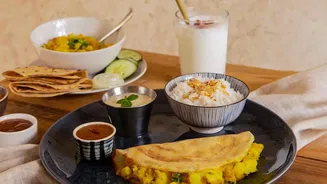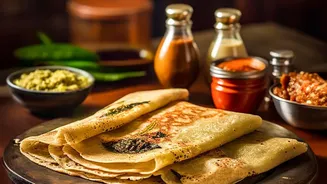

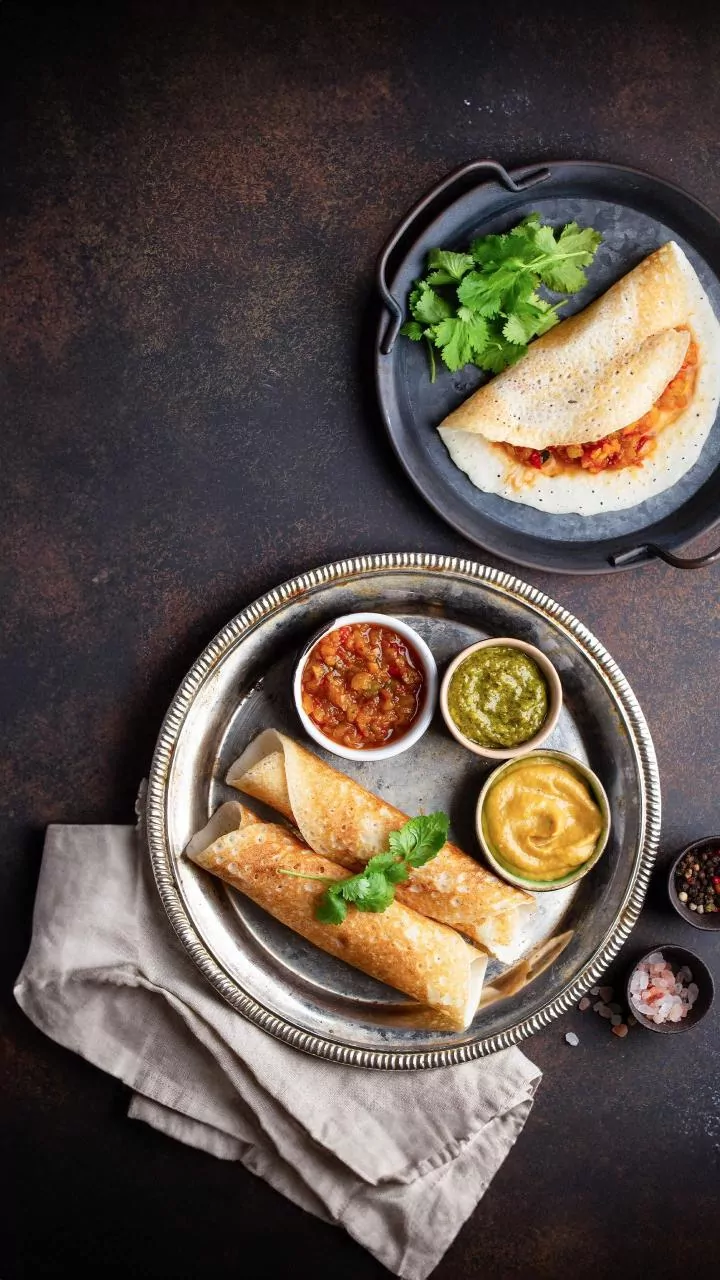
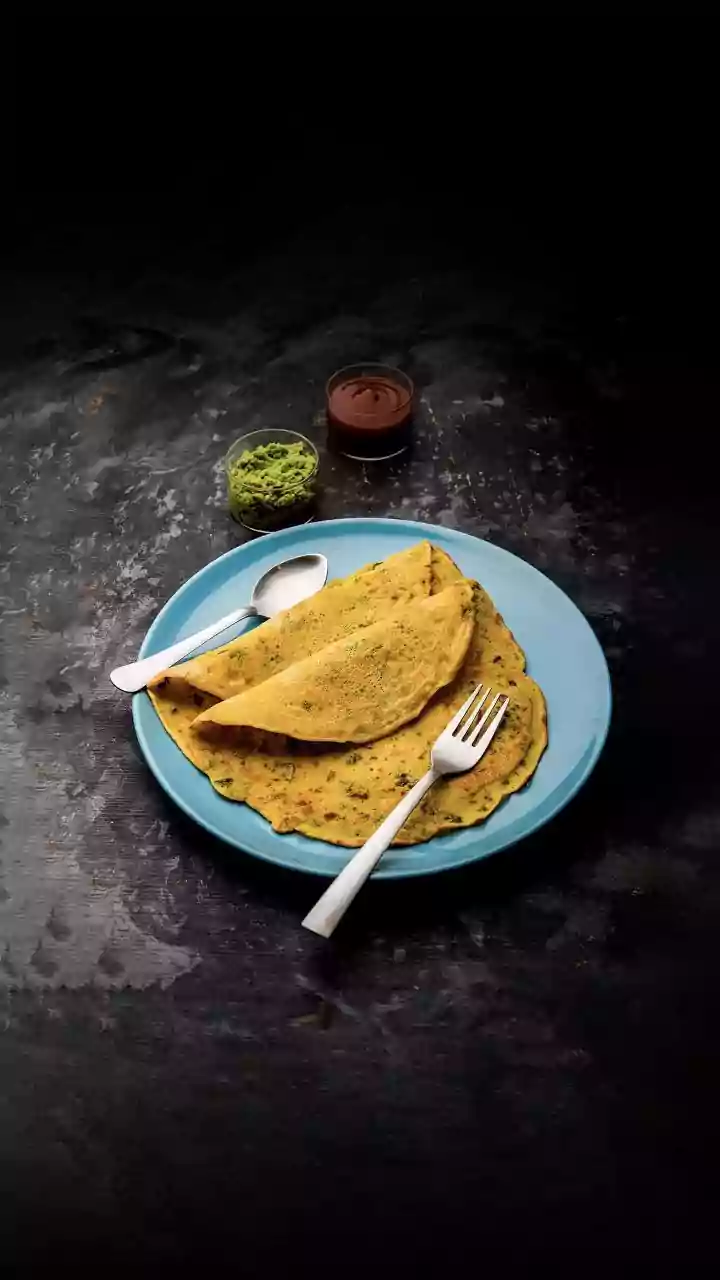
A Healthier, Quicker Crepe
Traditional dosas, while delicious, require significant planning with soaking and fermenting rice and lentil batter. The oats dosa, however, is a game-changer for busy households and health-conscious foodies alike. It's a fantastic way to incorporate
the goodness of oats—rich in fibre and essential nutrients—into your diet without resorting to another bowl of porridge. This instant version can be prepared in under 30 minutes, making it an ideal solution for a speedy breakfast, a light dinner, or even an after-school snack. It delivers that satisfying crispiness of a classic dosa without the long wait.
Gathering Your Ingredients
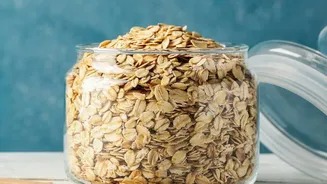
The beauty of this recipe lies in its simplicity and flexibility. The core components create a batter that is both flavourful and structurally sound. For a family of four, you will generally need: - 1 cup Quick-Cooking or Rolled Oats - ½ cup Rice Flour - ¼ cup Semolina (Sooji/Rava) - ½ cup Curd (Yogurt), optional for tang - 1-2 Green Chillies, finely chopped - 1 small Onion, finely chopped (optional) - 1 teaspoon Cumin Seeds - ½ teaspoon Black Peppercorns, crushed - A handful of fresh Coriander Leaves, chopped - Salt to taste - Water, as needed for the batter - Oil or Ghee, for cooking These ingredients work together to create a batter that’s thin, spreads well, and crisps up beautifully on the pan.
Step 1: Preparing the Batter
The first step is to create your flour base. If you are using rolled oats, you'll need to grind them into a fine powder using a mixer or food processor. Quick-cooking oats can often be used directly, but grinding them yields a smoother texture. In a large mixing bowl, combine the powdered oats, rice flour, and semolina. Mix these dry ingredients thoroughly to ensure they are well-integrated. Next, add the chopped green chillies, onions (if using), cumin seeds, crushed pepper, coriander leaves, and salt. Give it another good stir. Finally, pour in the curd and about one cup of water, whisking continuously to form a smooth, lump-free paste.
Step 2: Achieving the Perfect Consistency
This is the most critical stage. Unlike a traditional dosa batter, an instant oats dosa batter needs to be very thin and watery, similar to the consistency of buttermilk or rava dosa batter. After your initial mix, let the batter rest for about 15-20 minutes. During this time, the oats and semolina will absorb water and swell, causing the batter to thicken. After the resting period, you will need to add more water. Gradually add water while stirring until you achieve a thin, flowing consistency. A good rule of thumb is that the batter should be easy to pour, not spread. Always stir the batter well right before making each dosa, as the solids tend to settle at the bottom.
Step 3: Cooking to Crispy Perfection
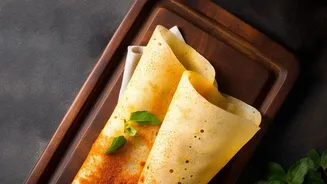
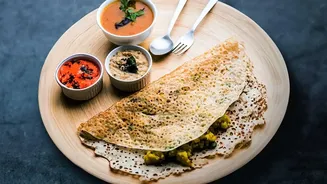
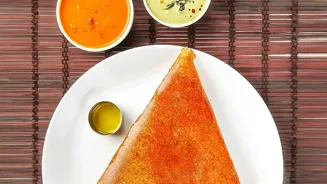
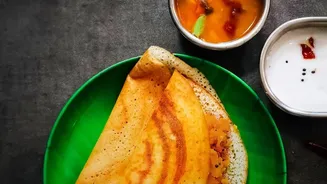
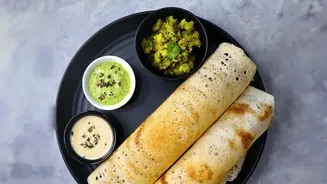
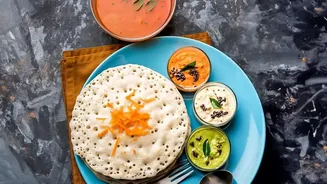
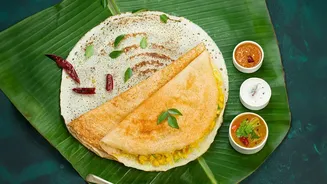
Heat a non-stick tawa or a well-seasoned cast-iron skillet over medium-high heat. The pan must be hot before you pour the batter. To check if it’s ready, sprinkle a few drops of water; they should sizzle and evaporate immediately. If using a cast-iron pan, you can rub it with a cut onion dipped in oil to prevent sticking. Now, take a ladleful of the watery batter and pour it from the outside in, creating a lacy, web-like pattern. Fill in any large gaps with a little more batter. Do not try to spread it with the back of the ladle like a regular dosa. Drizzle a teaspoon of oil or ghee around the edges and in the centre. Cook on medium heat for 2-4 minutes, or until the edges turn golden brown and start to lift from the pan. Once it is crisp, you can either fold it and serve or flip it to cook for another minute before serving.
Tips for Success
To ensure your oats dosa is a roaring success every time, keep these tips in mind. First, a very hot pan is essential for a crispy, lacy texture. If your dosa sticks, the pan might not be hot enough. Second, always stir the batter before pouring each dosa to ensure an even mix of ingredients. Third, be patient while it cooks; letting it roast on a medium flame is key to achieving that signature crispiness. Don't be in a hurry to flip it. For a gluten-free version, you can replace the wheat flour (if using) and semolina with additional rice flour or other gluten-free flours, though the texture may vary slightly.