






The Psychology of 'Saving' Money
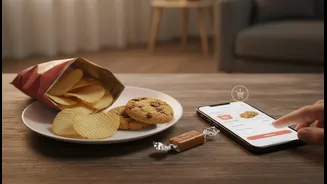
The feeling that you're outsmarting the system by adding a snack instead of paying a delivery fee is powerful, and it's rooted in a psychological principle called loss aversion. Simply put, we dislike losing money to something intangible, like a fee,
more than we mind spending a similar or even slightly higher amount on a tangible item, like a chocolate brownie. Delivery apps and online retailers understand this perfectly. The fee feels like a penalty for not spending enough, while the extra snack feels like a reward. This framing makes us believe we are getting more value for our money, even if we are spending more overall and buying something we didn't initially intend to. This cognitive bias encourages impulse purchases and nudges us toward a higher total spend.
Why Minimum Orders Exist
Minimum order requirements aren't just there to tempt you with extra snacks; they are a core part of the business model for delivery platforms. For services like Swiggy, Zomato, or Uber Eats, each delivery has associated costs: paying the driver, platform maintenance, and customer support. Low-value orders can be unprofitable because these fixed costs can easily exceed the commission the platform earns from the restaurant. By setting a minimum order value, platforms ensure that each transaction is large enough to be economically viable. This strategy helps increase the average order size, making the entire delivery ecosystem more sustainable for the company. It’s a way to balance the convenience offered to customers with the operational realities of running a complex logistics network.
Doing the Actual Math
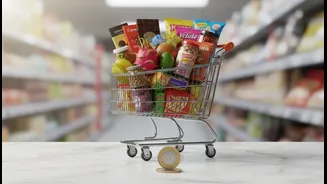
So, is adding that ₹99 beverage to avoid a ₹50 delivery fee a financially sound decision? On the surface, it seems you're getting an item worth ₹99 for a net cost of only ₹50. However, the real question is whether you needed that beverage in the first place. This is where unplanned spending creeps in. While a single instance might seem trivial, this habit can accumulate significantly over time. Studies have shown that the convenience of delivery apps already encourages increased spending. These small, seemingly rational additions are a major contributor to that trend. Instead of saving ₹50, you have spent an extra ₹99 on an item you may not have wanted, pushing your total bill higher. Over a year of frequent ordering, these 'smart' additions can add up to thousands of rupees in unintended expenses.
How to Be a Smarter Shopper
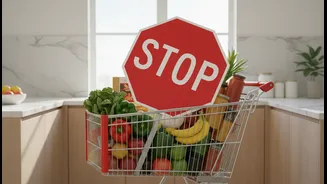
Breaking the cycle of last-minute additions requires a bit of planning and mindfulness. First, before you even open a delivery app, have a clear idea of what you need and stick to your list, just as you would in a grocery store. If you consistently find yourself just under the minimum order threshold, consider strategies to meet it more effectively. You could coordinate orders with family members or colleagues to easily hit the target. Alternatively, you can use the add-on strategy more deliberately. Instead of a perishable snack, add a pantry staple like a small carton of milk, a packet of spices, or a bottle of sauce that you will use later. Another simple but effective method is to opt for self-pickup whenever possible, which eliminates delivery fees entirely.