


What Are Sodium-Ion Batteries?
At its core, a sodium-ion (Na-ion) battery works much like the lithium-ion (Li-ion) batteries that power our phones and current electric cars. Ions move between a positive and negative electrode to charge and discharge electricity. The key difference,
as the name suggests, is the primary element: sodium instead of lithium. This might seem like a small change, but it has massive implications. Sodium is the sixth most abundant element on Earth, found everywhere in common salt. Lithium, by contrast, is far rarer, with its supply chain heavily concentrated and subject to geopolitical tensions and price volatility. This fundamental difference in material availability is the main driver behind the promise of cheaper EVs.
The Cost Advantage Explained
The primary appeal of sodium-ion technology is its potential to drastically cut battery costs, which can account for up to 40% of an EV's total price. Sodium carbonate, the raw material for these batteries, is over a thousand times more abundant than lithium carbonate and costs significantly less to procure. Estimates suggest that when produced at scale, sodium-ion batteries could be 20-30% more economical than their lithium-ion counterparts. Furthermore, manufacturing can often use existing lithium-ion production lines, reducing the need for massive capital investment in new factories and helping to scale up production more quickly. This combination of cheaper raw materials and compatible manufacturing makes Na-ion a compelling alternative for automakers aiming to produce more affordable electric vehicles.
Performance: The Range vs. Price Trade-Off
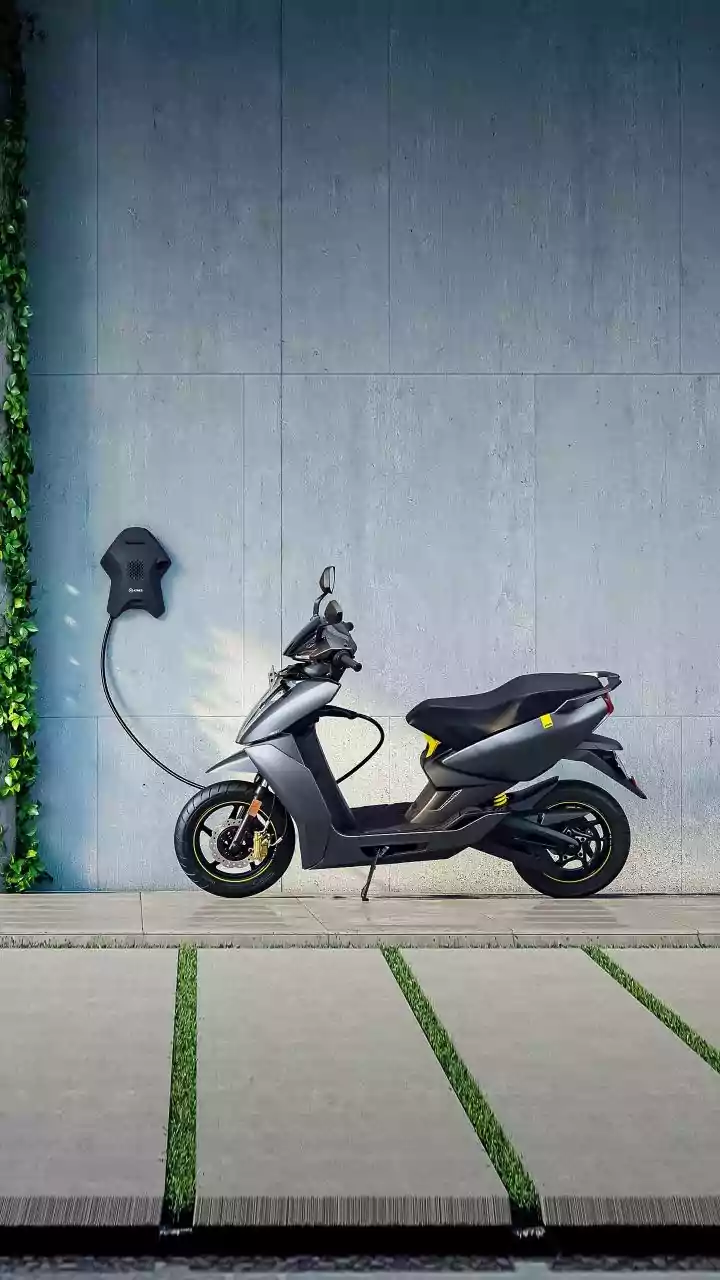
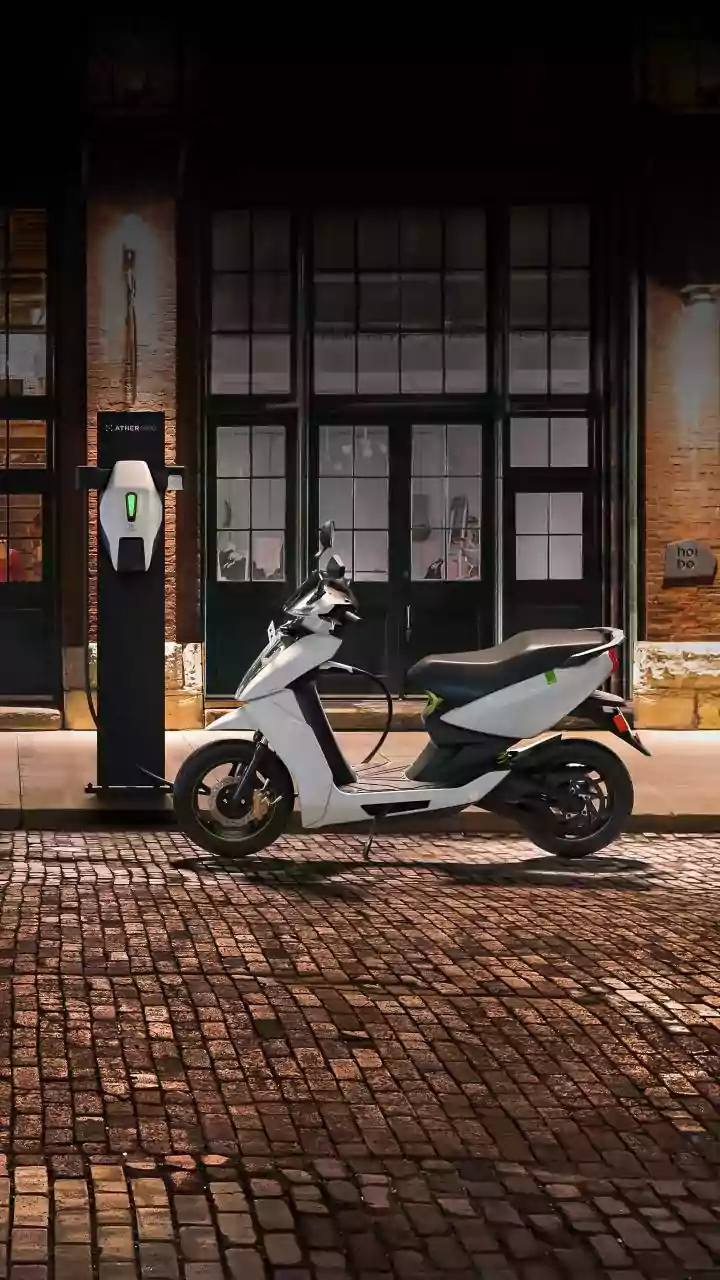
While sodium-ion batteries win on cost, they currently face a significant trade-off in performance, specifically with energy density. Energy density refers to how much energy a battery can store for its size and weight. Today's commercial Na-ion cells have a lower energy density (around 160 Wh/kg) compared to mainstream Li-ion cells (150-250 Wh/kg). In practical terms, this means a sodium-ion battery pack needs to be heavier or larger to provide the same driving range as a lithium-ion one, or it will offer a shorter range in a similarly sized pack. This makes them less ideal for premium, long-range EVs. However, they excel in other areas. They perform better in extreme cold, are generally considered safer with a lower risk of thermal runaway, and some can charge impressively fast. These characteristics make them perfect for entry-level city cars, electric scooters, and commercial vehicles where a 200-300 km range is more than sufficient.
The Global Race and India's Stake
The race to commercialise sodium-ion technology is well underway, with Chinese companies like CATL and BYD leading the charge. CATL has already launched its Na-ion batteries, and the world's first mass-produced EV powered by them was expected to launch in 2026. For India, this technology is more than just a novelty; it's a strategic imperative. A strong domestic sodium-ion battery industry could reduce India's heavy reliance on imported lithium and battery cells, aligning perfectly with the 'Atmanirbhar Bharat' mission. The country has an abundance of sodium and a strong chemical industry, providing a solid foundation for a local supply chain. Indian companies like Reliance Industries (through its acquisition of Faradion) and IndiEnergy are already active in the space. The government is also showing strong support, with officials noting that Indian research has reached an advanced stage, potentially moving from pilot to commercial production within two to three years.