





The New Economic Engine of 'Bharat'
A fundamental shift is underway in India's job market, moving far beyond the traditional hubs of Bengaluru, Mumbai, and Delhi. E-commerce and quick-commerce giants are aggressively expanding their logistics and supply chain networks into Tier 2 and Tier 3
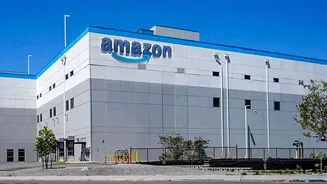
cities. This expansion has ignited a warehouse hiring boom, with companies like Amazon and Flipkart establishing hundreds of new fulfilment centres, sortation hubs, and last-mile delivery stations in smaller cities to get closer to a growing customer base. Reports from 2026 indicate that hiring for temporary and permanent roles in these smaller cities is growing at nearly double the rate of metropolitan areas, fundamentally altering local economies. This isn't just about seasonal demand; it reflects a long-term strategic decision to build capacity where the next wave of consumers lives.
Why Smaller Cities, and Why Now?
Several powerful forces are driving this inland push. First and foremost is the consumer expectation of rapid delivery. To make 10-minute or same-day delivery a reality, companies must store products closer to the end consumer, making a distributed network of smaller, local warehouses essential. Secondly, Tier 2 and Tier 3 cities offer significant cost advantages in terms of real estate and labour compared to the saturated metros. Finally, these regions represent a massive, largely untapped market. A significant share of new e-commerce customers now come from non-metro areas, making it commercially vital for companies to establish a strong physical presence there. This trend has led to a surge in demand for warehouse space, with smaller cities accounting for a growing share of total absorption.
Hotspots of the Hiring Spree
This warehousing revolution is not an abstract trend; it is creating tangible job opportunities in cities across the country. Places like Lucknow, Coimbatore, Nagpur, Indore, Jaipur, and Guwahati are emerging as key logistics hubs. For example, Nagpur's central location makes it an ideal spot for nationwide distribution, while cities like Coimbatore and Lucknow are becoming critical for regional fulfilment. Staffing firms report that these cities are no longer just peripheral locations but core to companies' festive hiring strategies, now accounting for a majority of seasonal job creation. The jobs being created are diverse, ranging from warehouse associates, pickers, and packers to inventory controllers and last-mile delivery executives. For many, these roles represent a first step into the formal economy, offering structured salaries and benefits.
The Ripple Effect on Local Economies
The impact of this boom extends far beyond direct employment. The influx of large-scale logistics operations stimulates the local economy in numerous ways. It drives demand for ancillary services, from transportation and security to catering and maintenance. This investment also puts upward pressure on commercial real estate and can spur infrastructure development as local governments work to support these new industrial hubs. This shift is also fostering a new kind of workforce, formalising employment for many who previously worked in the informal sector and providing stable gig work opportunities. Reports suggest that e-commerce vendors employ significantly more people on average than their purely offline counterparts, highlighting the job-multiplying effect of this digital transformation.
Challenges on the Road Ahead
This rapid growth is not without challenges. One of the biggest hurdles is the state of infrastructure and connectivity in some of these smaller cities, which can struggle to keep pace with the demands of a high-speed logistics network. There are also questions about the quality and long-term stability of the jobs being created. While many roles offer formal benefits, a significant portion, especially during peak seasons, are temporary or gig-based. Furthermore, employers report challenges in finding workers who are reliable and ready to handle the demanding shifts required during peak periods. As these cities become more dependent on the logistics sector, ensuring workforce development and creating pathways for career advancement will be crucial to making the boom a sustainable and inclusive success story.