

Starting your day with the right breakfast is crucial for managing diabetes, and a few tiny additions can make a huge difference. Edible seeds are nutritional powerhouses that can help stabilise blood sugar and keep you full until lunch.
Chia Seeds: The Fibre Powerhouse
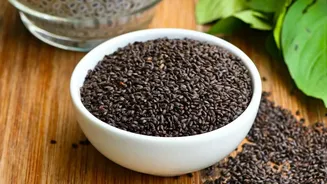
Chia seeds are
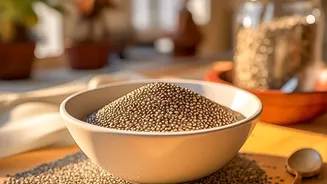
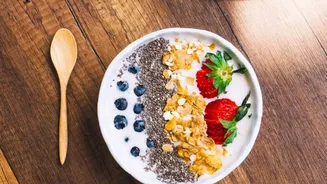
exceptionally beneficial for blood sugar management due to their high soluble fibre content. This fibre forms a gel-like substance in your stomach, slowing down digestion and the release of glucose into the bloodstream, which helps prevent sharp sugar spikes after meals. Two tablespoons provide about 10 grams of fibre and very few net carbohydrates, making them a low-glycemic food. They are also rich in omega-3 fatty acids, which support heart health—a key consideration for individuals with diabetes. To use them, simply stir a tablespoon or two into yogurt, oatmeal, or blend them into a morning smoothie. As they absorb liquid, they create a pudding-like texture that adds substance to your breakfast.
Flax Seeds: For Better Insulin Sensitivity
Flax seeds, also known as 'alsi' in India, are prized for their potential to improve insulin sensitivity. They are a fantastic source of dietary fibre and alpha-linolenic acid (ALA), a plant-based omega-3 fatty acid. The fibre content helps control blood sugar by slowing the absorption of sugar from your meal. Studies suggest that daily consumption of flax seeds can lead to modest but significant improvements in fasting blood sugar and insulin resistance. For the best nutritional benefit, it's recommended to consume ground flax seeds, as whole seeds can pass through the digestive system undigested. Sprinkle ground flaxseed over cereal, mix it into pancake batter, or add it to your morning smoothie for an easy nutritional boost.
Pumpkin Seeds: A Magnesium Boost
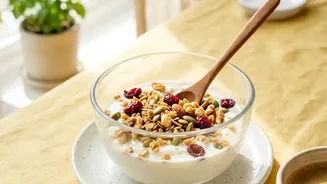
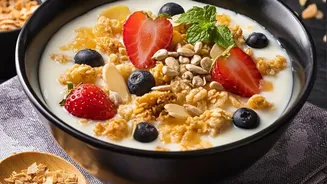
Pumpkin seeds are a valuable addition to a diabetes-friendly diet, largely thanks to their high magnesium content. Magnesium plays a vital role in glucose metabolism and insulin function, and many people with diabetes have low levels of this important mineral. These seeds are also a good source of healthy fats, protein, and fibre, a combination that promotes satiety and helps maintain stable blood sugar levels. With a very low carbohydrate count, they have a minimal impact on blood glucose. Enjoy a small handful of raw or dry-roasted pumpkin seeds as a snack, or sprinkle them on top of yogurt, cottage cheese, or a bowl of oatmeal for added crunch and nutrition.
Hemp Seeds: The Complete Protein
Hemp seeds, or hemp hearts, are notable because they are a source of complete protein, containing all nine essential amino acids. This protein, along with healthy fats and fibre, helps slow digestion and prevent rapid blood sugar increases. The balanced profile of nutrients contributes to a feeling of fullness, which can aid in weight management—an important factor in controlling diabetes. Studies suggest their nutrient profile can help improve metabolic health and support better blood sugar regulation over time. With a pleasant, nutty flavour, hemp seeds are delicious sprinkled over avocado toast, blended into smoothies, or mixed into a bowl of oats.
Sunflower Seeds: Rich in Vitamin E
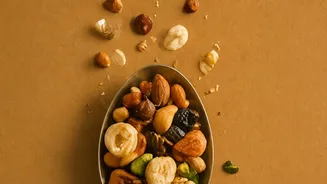
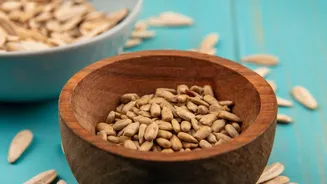
Sunflower seeds offer significant benefits for diabetes management, partly due to their rich supply of vitamin E, a potent antioxidant that helps reduce inflammation. Chronic inflammation is often linked to type 2 diabetes and its complications. These seeds also contain protein, healthy fats, and magnesium, which work together to slow stomach emptying and allow for a more gradual release of sugar from meals. Some studies suggest that regular consumption may help lower fasting blood sugar over time. For a simple breakfast addition, sprinkle unsalted, dry roasted sunflower seeds onto salads, yogurt, or mix them into a homemade trail mix with other nuts.