







Beyond Just 'Roughage'
The term 'fibre-first' simply means prioritising fibre-rich foods in your daily meals. This isn't about eating a bowl of bran before anything else; it's about building your plate around whole foods that naturally contain fibre, like vegetables, legumes,
whole grains, fruits, nuts, and seeds. The benefits are well-established: fibre slows digestion, which helps stabilise blood sugar, keeps you feeling full longer, and lowers the risk of chronic conditions like heart disease and type 2 diabetes. Most adults should aim for 25-38 grams per day, but many of us fall short of that target. The traditional approach to fixing this often involves joyless additions—a spoonful of psyllium husk here, a dry cracker there. This narrow focus on just hitting a number misses the bigger, more exciting picture.
Your Gut Is a Garden, Not a Machine
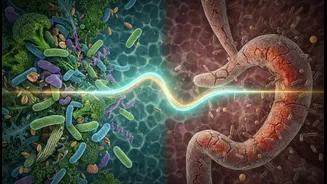
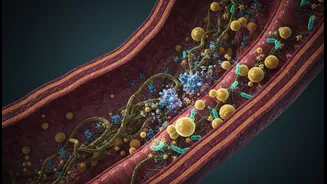
Inside your gut is a vast ecosystem of trillions of microorganisms known as the gut microbiome. A healthy, diverse microbiome is linked to a stronger immune system, better mood, and reduced inflammation. Think of it like a garden: to get a beautiful and resilient garden, you need to plant a wide variety of flowers and plants. The same goes for your gut. Different types of microbes thrive on different types of plant fibres. When you eat a wide array of plant foods, you're feeding a more diverse community of beneficial bacteria. This diversity makes your gut ecosystem more robust and adaptable. A diet with limited variety, on the other hand, can lead to a less diverse microbiome, which is associated with a range of health issues.
The 30-Plant-Point Guideline
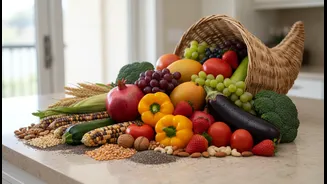
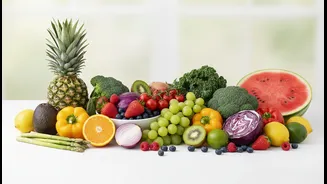
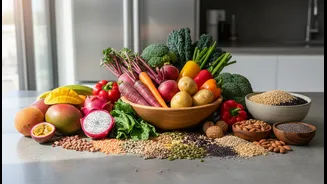
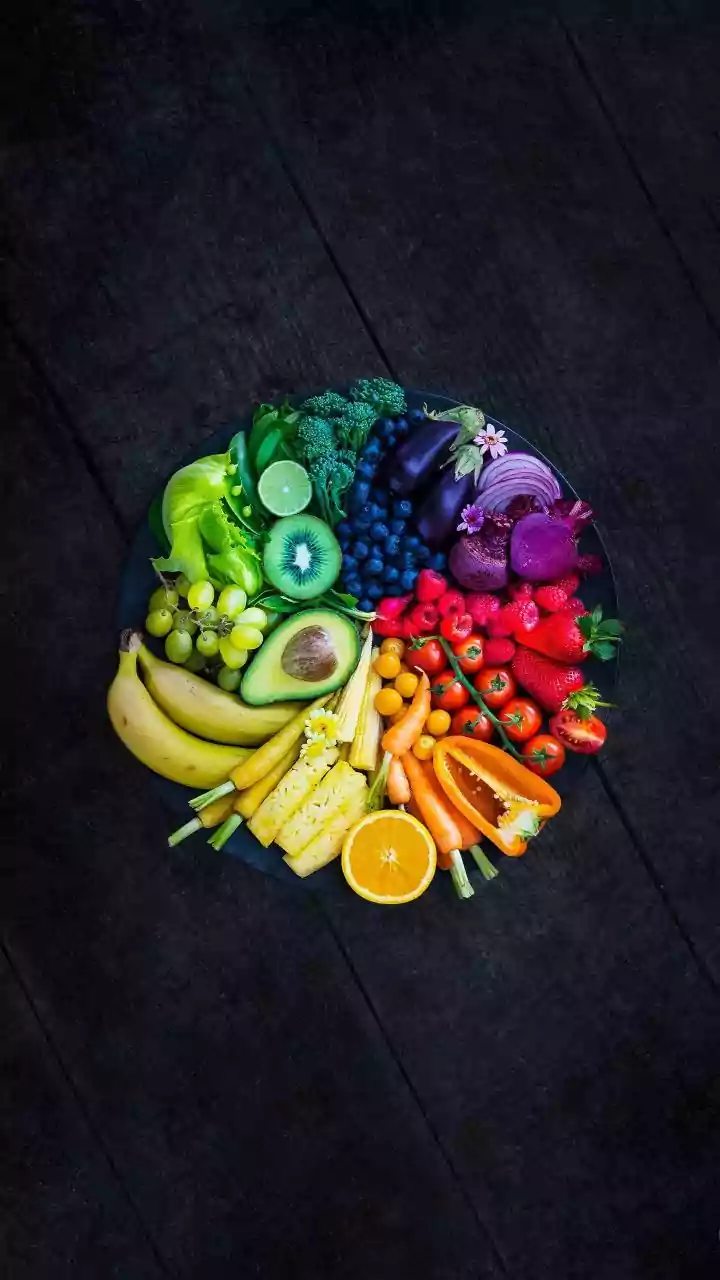
So, how do you ensure you're eating for diversity? A landmark study from the American Gut Project provided a simple, powerful target. Researchers found that people who ate 30 or more different types of plants per week had significantly more diverse gut microbiomes than those who ate 10 or fewer. This led to the '30 plant points' guideline, a fun way to track your dietary variety. And it’s not as daunting as it sounds. The term 'plant' includes not just fruits and vegetables, but also whole grains, legumes, nuts, seeds, herbs, and spices. Each distinct plant counts as one point, while herbs and spices typically count as a quarter-point. Even different colours of the same food, like a red apple and a green apple, can count as separate points because they offer different phytonutrients.
Putting Diversity on Your Plate
Shifting your focus from 'more fibre' to 'more variety' makes healthy eating an adventure, not a task. Instead of just adding oats to your breakfast, try a mix of millets, seeds, and nuts. When making dal, use a mix of different lentils. A simple sabzi can feature three or four different vegetables instead of just one. Small changes add up quickly. Toss a handful of mixed seeds onto your yoghurt, add different fresh herbs like coriander and mint to salads and raitas, and try a new vegetable from the market each week. Using a pre-mixed bag of greens for a salad, choosing a three-bean mix for a curry, or snacking on a variety of fruits are all easy ways to boost your plant count without a complete dietary overhaul. The goal is inclusion and exploration, not perfection.