





The Government's Potential Plan
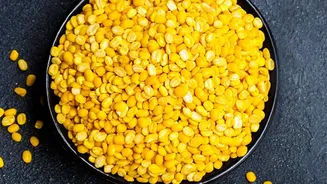
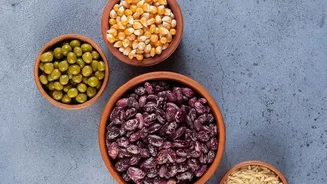
The central government is actively considering lowering import tariffs on specific pulses to manage rising food prices ahead of the festive season. According to reports, the potential duty cuts would likely target masoor (red lentils) and yellow peas.
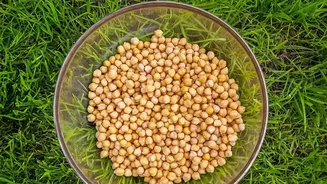
Currently, India levies a 10% import tax on red lentils and a significant 30% duty on yellow peas. The government has already made imports of tur (pigeon peas) and urad (black gram) duty-free until March 2027 to ensure their availability. However, officials are reportedly cautious about chickpeas (chana), and may leave the import duty in place to encourage domestic farmers who will begin planting the crop in October.
Why a Weak Monsoon Changes Everything
The primary driver behind this potential policy change is the erratic and below-average monsoon season of 2026. Rainfall in several key pulse-growing states was reportedly up to 30% below average during the crucial June to September period. Since most of India's pulse crops are grown in rain-fed areas, they are highly vulnerable to such moisture shortages. This has raised serious concerns about the size of this year's kharif harvest, with some analysts predicting a significant drop in production, particularly for tur. The weak monsoon not only affects the current kharif crops but also threatens the upcoming rabi (winter) season by reducing soil moisture and water reservoir levels, which are critical for crops like chana.
What This Means for Your Kitchen Budget
For the average Indian household, this issue hits close to home: the price of dal. Pulses are a staple source of protein, and any supply shock directly impacts household budgets. Food inflation has been a persistent concern, reaching 5.95% in August, with prices for pulses like pigeon peas and black gram showing year-on-year increases. Demand for pulses typically surges during the festive season as households and businesses stock up. By reducing import duties on masoor and yellow peas, the government hopes to increase their availability in the domestic market, which would help stabilize or even lower prices for consumers who are already grappling with rising food costs.
A Balancing Act: Farmers vs. Consumers
While lowering import duties can provide immediate relief to consumers, it presents a difficult choice for policymakers trying to balance competing interests. India is the world's largest producer, consumer, and importer of pulses, highlighting a persistent gap between domestic supply and demand. In the 2024-25 fiscal year, imports accounted for nearly a quarter of the country's total pulse consumption. Slashing import duties can make imported pulses cheaper, potentially undercutting the prices that domestic farmers receive for their produce. This could disincentivize them from planting pulses in the future, further increasing the country's reliance on imports. This is why the government is considering keeping the duty on chana, to protect farmers' incomes and encourage planting for the rabi season.
The Bigger Picture and What's Next
The discussion around pulse duties is part of a broader government strategy to combat food inflation. In the past, similar measures have been taken for other commodities, including edible oils and sugar, to manage domestic availability and prices. The decision on pulses is expected soon, as the festive season approaches and concerns over the kharif output grow more concrete. The government will be watching market arrivals closely in the coming weeks. If domestic production falls as sharply as some fear, increased imports from key suppliers like Canada, Australia, and Myanmar will be essential to prevent a major price spike. For now, all eyes are on the government to see how it navigates this delicate path between providing relief to consumers and ensuring the long-term viability of Indian agriculture.