






The Humidity Challenge: More Than Just Sweat
Exercising in high humidity is uniquely challenging. Normally, your body cools itself when sweat evaporates from your skin. But when the air is already saturated with moisture, that evaporation slows down dramatically. You continue to sweat, losing vital
fluids and electrolytes, but you don't get the cooling benefit. This places extra strain on your cardiovascular system, as your heart has to work harder to pump blood and manage a rising core body temperature. This can quickly lead to dehydration, muscle cramps, dizziness, and even more serious conditions like heat exhaustion. In these conditions, replacing lost fluids isn't enough; you must also replenish the crucial minerals lost in sweat.
Nature’s Answer: A Simple, Powerful Trio
Instead of reaching for a sugary commercial sports drink, the solution might already be in your kitchen. A combination of coconut water, a pinch of rock salt (sendha namak), and a squeeze of lemon juice creates a potent, all-natural electrolyte drink. This blend is not just a traditional Indian remedy for heat; its effectiveness is backed by science. It provides the key components your body needs during a demanding workout: fluids for hydration, carbohydrates for energy, and a spectrum of electrolytes—especially potassium and sodium—to maintain balance and muscle function. This simple mix helps your body absorb and retain water more effectively than water alone.
The Star Player: Coconut Water
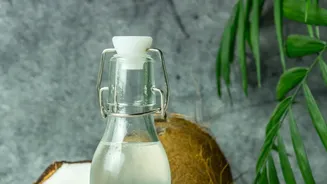
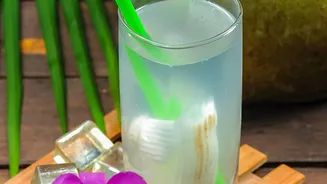
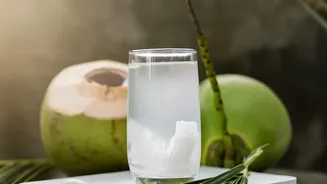
Tender coconut water is often called 'nature's sports drink' for good reason. It is naturally rich in electrolytes, particularly potassium, which is essential for muscle function and can help prevent cramps. A single serving can contain more potassium than a banana. Coconut water also provides natural sugars for a quick energy boost without the high fructose corn syrup found in many commercial drinks. While it's excellent for hydration during moderate exercise, its one shortcoming is that it is naturally low in sodium, the primary electrolyte lost through sweat. That's where the other ingredients come in to create a more complete solution.
The Electrolyte Boost: Why Rock Salt Matters
Adding a pinch of rock salt is the key to elevating coconut water from a refreshing drink to a true rehydration powerhouse. Sweat is salty because you lose significant amounts of sodium during intense exercise. Replacing this lost sodium is critical for maintaining fluid balance, preventing dehydration, and ensuring proper nerve and muscle function. Rock salt, or Himalayan pink salt, not only provides the necessary sodium but also contains dozens of other trace minerals like magnesium and calcium that support overall wellness. This simple addition helps your body hold onto the water you drink, making your hydration efforts far more effective.
The Citrus Twist: The Function of Lemon
A squeeze of fresh lemon does more than just add a refreshing flavour. Lemons are a good source of Vitamin C, an antioxidant that can help protect your cells from the oxidative stress induced by intense exercise. The flavour boost also makes the drink more palatable, encouraging you to drink more and stay better hydrated. Some sources also note that lemon contains potassium and can support digestion. When combined, the three ingredients work in synergy, creating a balanced and easily absorbed drink that replenishes what your body loses in the heat.
Putting It All Together: Your Go-To Recipe
Creating your own natural workout drink is incredibly simple. For a single serving, mix the following in a bottle: - 250ml of fresh, unsweetened coconut water. - A generous pinch (about 1/8th teaspoon) of rock salt (sendha namak). - The juice of half a lemon (nimbu). Shake well until the salt is dissolved. For best results, sip this drink before, during, and after your workout. You can make a larger batch and store it in the refrigerator for up to three days. This simple 'nimbu pani' with a coconut water base is a cost-effective, natural, and highly efficient way to fuel your body and combat the specific hydration challenges posed by humid Indian weather.