






The Science of the Soggy Fritter
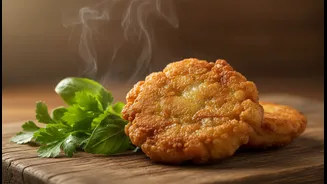
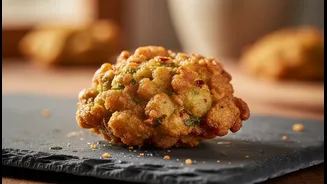
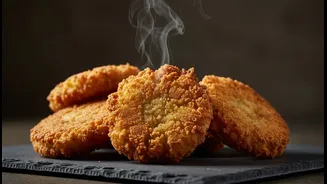
We’ve all been there: you follow a recipe for pakoras or bhajis perfectly, but minutes after they leave the hot oil, they transform from golden and crisp to soft and disappointingly limp. The culprit is almost always the same: water. When you fry food,
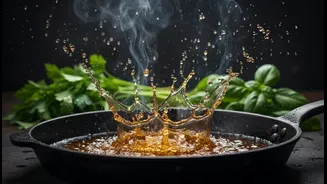
you are engaging in a process of dehydration. The hot oil rapidly removes surface moisture, creating a crunchy crust. However, if your ingredients contain too much internal water, that water turns to steam inside the fritter as it cooks. This trapped steam works against you, softening the crust from the inside out and preventing that coveted, lasting crunch. Furthermore, excess water can lower the temperature of your frying oil, leading to a greasy, oil-logged snack instead of a light and crispy one.
Identifying the Watery Suspects
The term "salad moisture" in the headline might sound technical, but it simply refers to the high water content found in many common vegetables used in fritters. Onions, which form the base of the beloved onion bhaji, are mostly water and will release it once sliced and salted. Zucchini, spinach, cabbage, and even potatoes are also packed with moisture. While this water content is great for many dishes, it's the primary obstacle to achieving crispy fried perfection. Ignoring this hidden water is the most common mistake home cooks make, leading to a batter that becomes progressively runnier as it sits and, ultimately, a soggy result. The goal isn't to use dry vegetables, but to control their moisture before they go into the batter.
The Salt and Squeeze: Your Best Defence
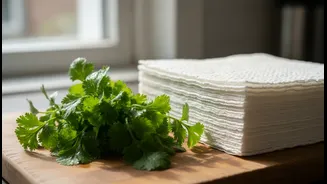
The single most effective technique to combat this vegetable weep is a two-step process: salting and squeezing. This method, sometimes called 'disgorging', uses basic science to your advantage. After you’ve grated, shredded, or thinly sliced your vegetables (like onions or zucchini), toss them with a liberal pinch of salt and let them sit in a colander for 15 to 30 minutes. The salt draws the water out of the vegetable's cells through a process called osmosis. You will be amazed at the amount of liquid that pools at the bottom of the bowl. After resting, the crucial second step is to squeeze. You can use your hands, but for maximum effect, place the salted vegetables in a clean kitchen towel or cheesecloth and wring out every last drop of moisture you can. Some chefs even suggest using a potato ricer or a French press for the task.
Rethinking Your Batter Ratio
Once you have your significantly drier vegetables, you’ll notice an immediate benefit: you need far less batter to bind them. Many recipes for pakoras call for just enough besan (gram flour) and spices to coat the ingredients, not drown them. When your vegetables are wet, you’re often tempted to add more flour to thicken the mixture, which results in heavy, doughy fritters. By starting with drier vegetables, you can use a minimal amount of batter, allowing the flavour and texture of the vegetables to shine through. A good rule of thumb is that the batter should just cling to the vegetables; it should be a thick, droppable mixture, not a runny liquid. Some street-food vendors in India master a technique where the onion's own moisture, released by salt, is almost all that's needed to bind with the flour.
Frying for Final Crispness
With your moisture-controlled batter ready, the final stage is frying correctly. Ensure your oil is at the right temperature, typically around 175-180°C. If the oil is too cool, the fritters will absorb it and become greasy. If it's too hot, they'll burn on the outside before cooking through. Fry in small batches to avoid overcrowding the pan, which can cause the oil temperature to drop. Once golden brown and cooked through, remove the fritters with a slotted spoon and place them on a wire rack to drain. Draining on a rack is superior to paper towels because it allows air to circulate all around, preventing the bottoms from getting steamy and soft.