

1. Invest in the Right Cookware
One of the biggest reasons for excess oil usage is cookware where food tends to stick. Investing in a high-quality non-stick pan or a well-seasoned cast iron kadai can dramatically reduce the amount of oil you need. These surfaces prevent sticking, allowing
you to sauté vegetables or make cheelas with just a minimal coating of oil, sometimes cutting usage by over 60%. While it's an initial expense, good cookware saves you money on oil with every meal.
2. Embrace Alternative Cooking Methods
Think beyond the frying pan. Methods like steaming, baking, grilling, and air frying can produce delicious results with little to no oil. An air fryer is a fantastic tool for making traditionally deep-fried snacks like samosas, pakoras, and tikkis with a crispy texture. Steaming is a zero-oil method perfect for dishes like dhokla and idli, and it also preserves more nutrients in vegetables and fish. Even baking or roasting vegetables in an OTG can bring out their flavour with just a light spritz of oil.
3. Master the Water Sauté
Many Indian recipes start with sautéing onions, ginger, and garlic in oil. A healthier and cheaper alternative is the 'water sauté'. Instead of oil, start with a few tablespoons of water or vegetable stock in a hot non-stick pan. As the water evaporates, the onions soften and brown. If things start to stick, just add another splash of water. This technique, known as deglazing, lifts flavourful browned bits from the bottom of the pan and creates a rich base for your curries without the added fat.
4. Dry Roast Your Spices
Spices release their aromatic essential oils through heat, not necessarily fat. Before making a tadka or adding spices to a curry, try dry roasting them in a hot pan for 30-40 seconds until they become fragrant. This deepens their flavour, meaning you don't need as much oil to carry the taste into the dish. For ground spices, you can toast them lightly before adding liquid, or even make pre-roasted spice blends to use later.
5. Measure, Don't Pour
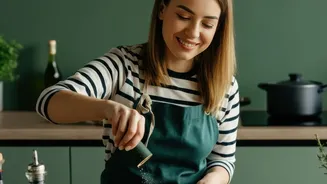
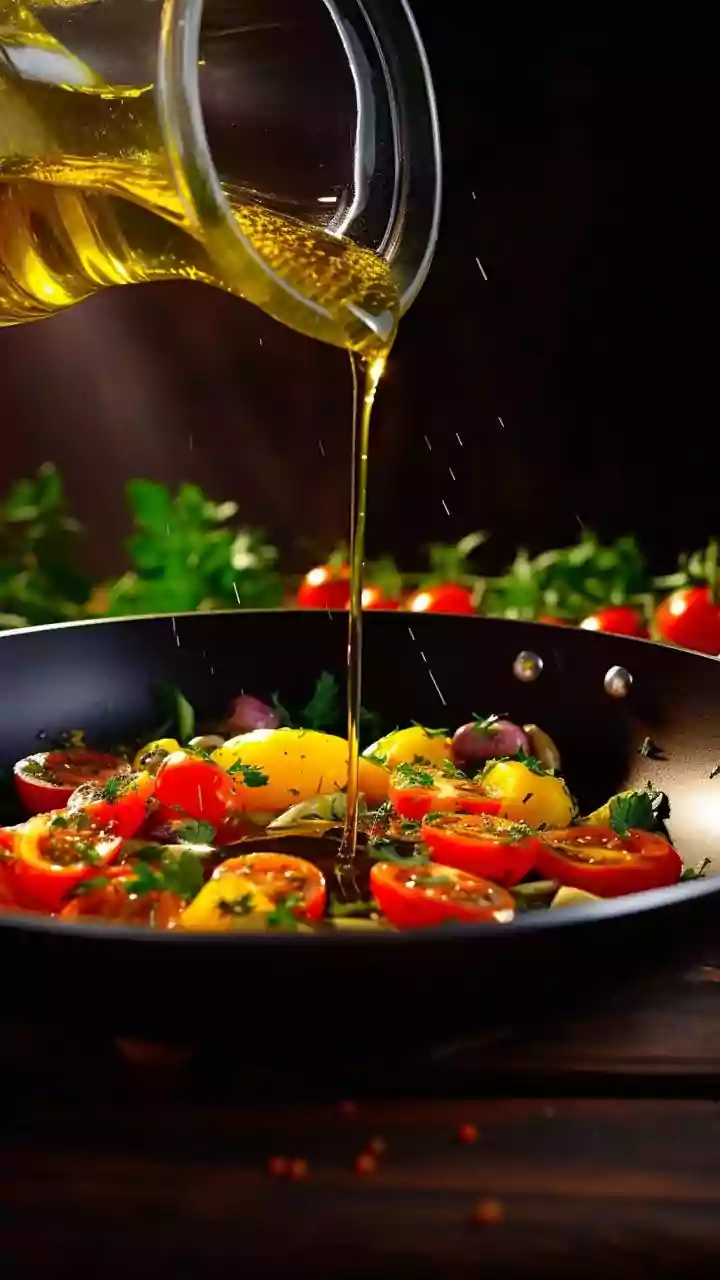
It’s a simple habit, but it makes a huge difference. Pouring oil directly from a large bottle almost always leads to using more than you need. Get into the practice of using a measuring spoon. You'll likely find that one or two teaspoons are often enough for what you previously used a few tablespoons for. An even more effective method is using an oil spray, which provides a fine, even mist to coat your pan using a fraction of the liquid oil.
6. Use Flavourful, Creamy Alternatives
To get that rich, creamy texture in gravies without relying on oil, turn to other ingredients. Hung curd (yogurt) can add a thick, tangy base to many curries. Pastes made from soaked nuts like cashews or melon seeds can create richness. For thickening gravies, you can also use pureed boiled vegetables like carrots or bottle gourd, or even roasted besan (gram flour) for a nutty flavour.