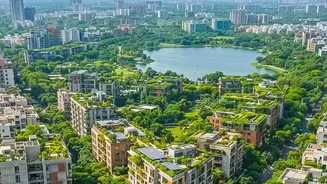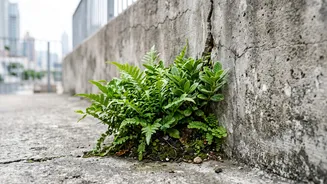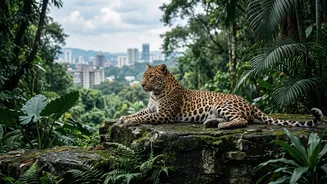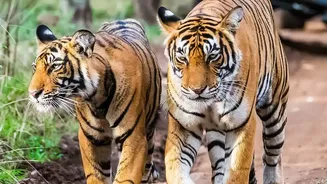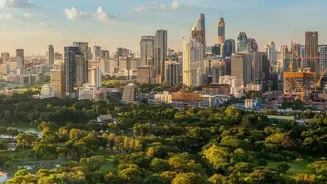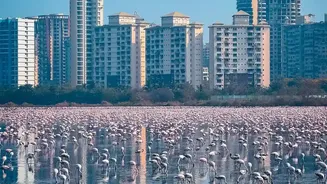



Think of a city, and you probably picture concrete, steel, and traffic. But look closer, in the quiet hours and overlooked corners, and you'll find a wilder story unfolding. Our cities are becoming the new frontier for an astonishing array of wildlife.
Mumbai's Most Elusive Neighbours
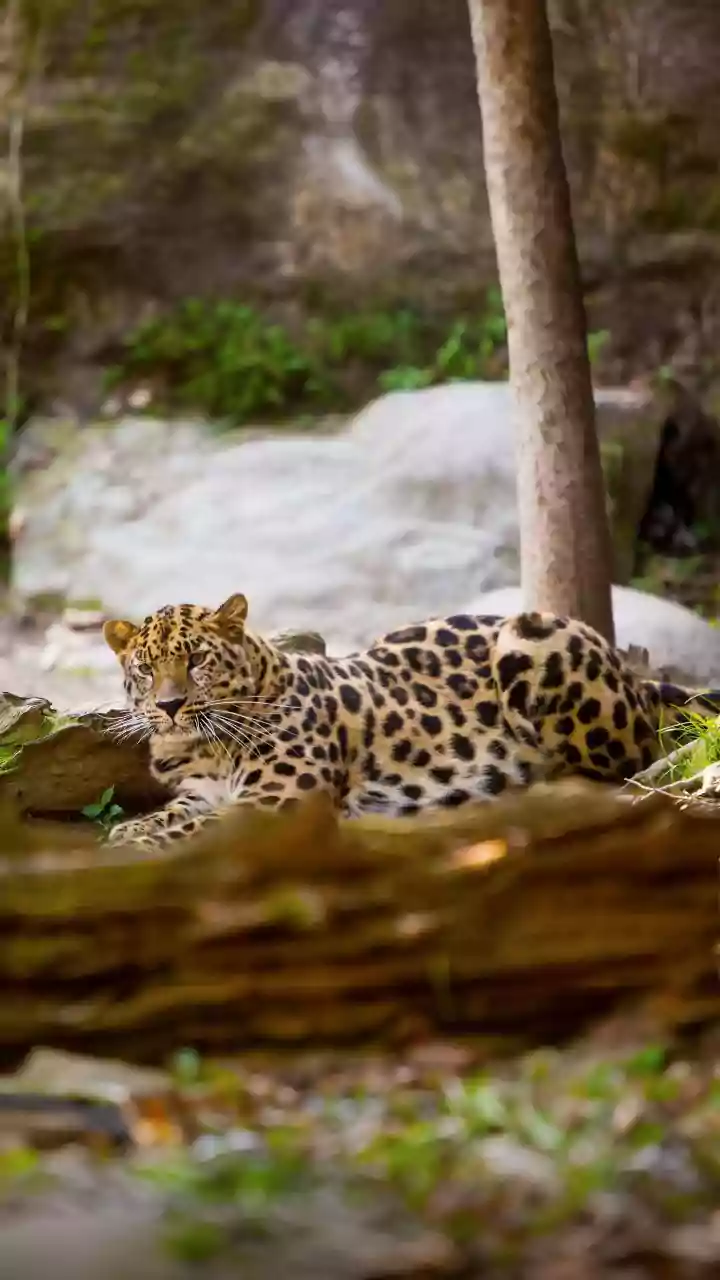
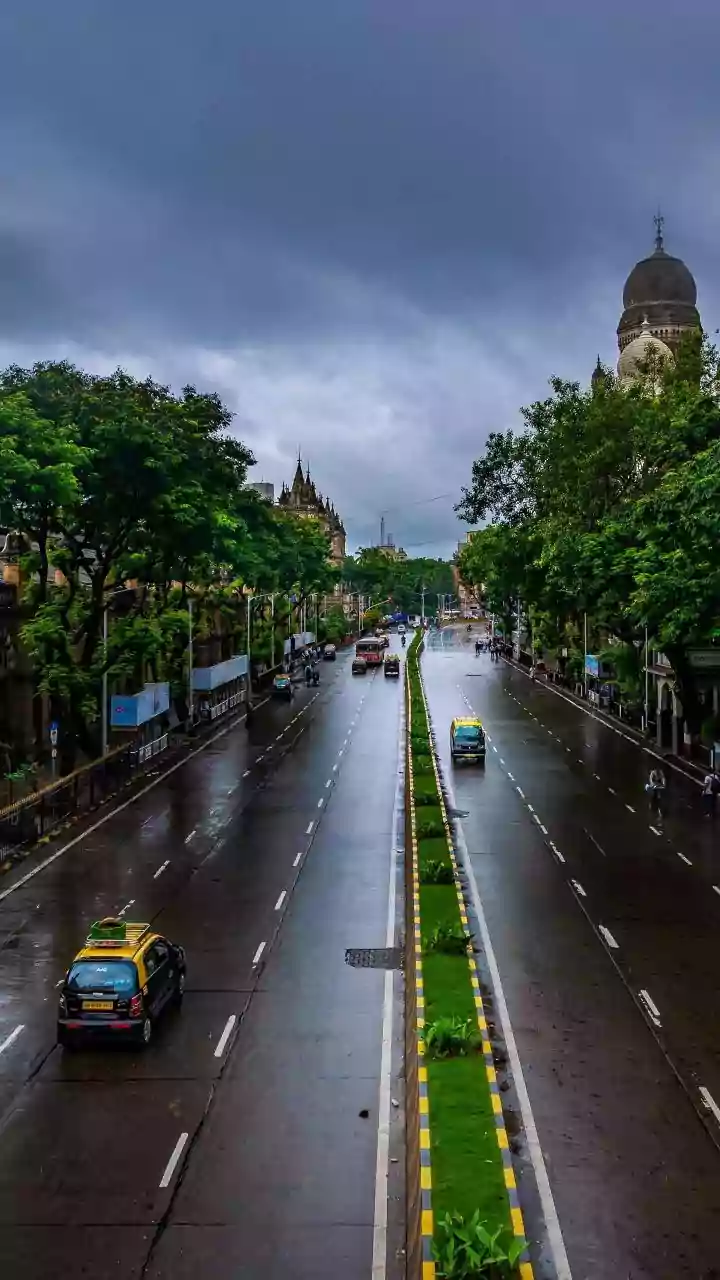
In a city as dense as Mumbai, it seems impossible that a large predator could survive, let alone thrive. Yet, hidden within the Sanjay Gandhi National Park, a green lung in the heart of the metropolis, a population of leopards has done just that. These are not zoo animals; they are wild cats navigating a world of highways, apartment buildings, and railway tracks. At night, as the city's relentless pace slows, these leopards emerge from the park's cover. CCTV footage has captured them padding silently through residential alleys, their survival a testament to their remarkable adaptability. They are drawn to the urban fringe by a reliable food source: the city's large population of stray dogs. This proximity inevitably leads to a complex relationship, a mix of fear, wonder, and a debate about who belongs where.
A Global Urban Menagerie
This isn't just a Mumbai story. Across India and the world, wildlife is making a home in our urban jungles. In Delhi, it's not uncommon to see a large Nilgai (blue bull) trotting through a residential colony, having wandered from the city's green ridge areas. Videos of these large antelopes navigating traffic often go viral, a surreal sight for residents. Meanwhile, troops of rhesus macaques have turned temples and government buildings into their personal playgrounds, becoming notorious for their food-snatching antics. This phenomenon extends globally, with raccoons in Toronto outsmarting 'animal-proof' bins, foxes becoming a common sight in London gardens, and coyotes hunting in Chicago parks. The line between the wild and the city is blurring faster than we can draw it.
Why Our Cities Are Going Wild
The primary driver for this urban migration is the relentless expansion of our cities. As human development pushes further into natural landscapes, it destroys and fragments habitats, leaving animals with little choice but to adapt or disappear. Cities, ironically, can offer a surprising bounty. Poorly managed garbage provides a constant buffet for scavengers. Parks, green corridors, and even residential gardens become substitute habitats. For many animals, cities offer fewer natural predators than their original homes, even if they have to contend with new dangers like traffic. Water scarcity in their natural habitats, sometimes due to poor forest management, can also push animals into residential areas in search of a drink.
Survival of the City-Smart
To survive in these bustling, human-dominated environments, animals are undergoing rapid behavioural changes. One of the most common adaptations is a shift to a nocturnal lifestyle, allowing them to avoid the chaos and danger of human activity during the day. Many species are becoming bolder and less fearful of humans, a trait that gets passed down through generations. They are also becoming incredibly resourceful. Birds in noisy cities have been observed changing the pitch of their songs to be heard over traffic, while others learn to exploit new food sources, like cockatoos in Australia figuring out how to open rubbish bins. This process, known as 'synurbization', shows that wildlife isn't just surviving in cities; it's evolving in response to them.
Learning to Live Together
The growing presence of wildlife in our cities presents both challenges and opportunities. Encounters can lead to conflict, from macaques becoming aggressive to the serious risks posed by leopards on the prowl. These interactions force us to confront difficult questions about safety and space. However, these new neighbours also offer a unique chance to reconnect with nature. Their presence has sparked a rise in urban wildlife rescuers and community initiatives aimed at fostering coexistence. Experts argue that the focus must shift from conflict to management. This includes better urban planning, like creating wildlife corridors, securing waste to reduce animal dependency, and educating the public on how to live alongside wildlife safely.