

The Myth: The Famous NASA Study
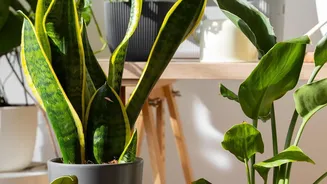
The belief that houseplants are expert air purifiers largely stems from a 1989 NASA study. Researchers, looking for ways to clean the air in sealed space stations, placed various potted plants in small, airtight chambers and injected pollutants like formaldehyde
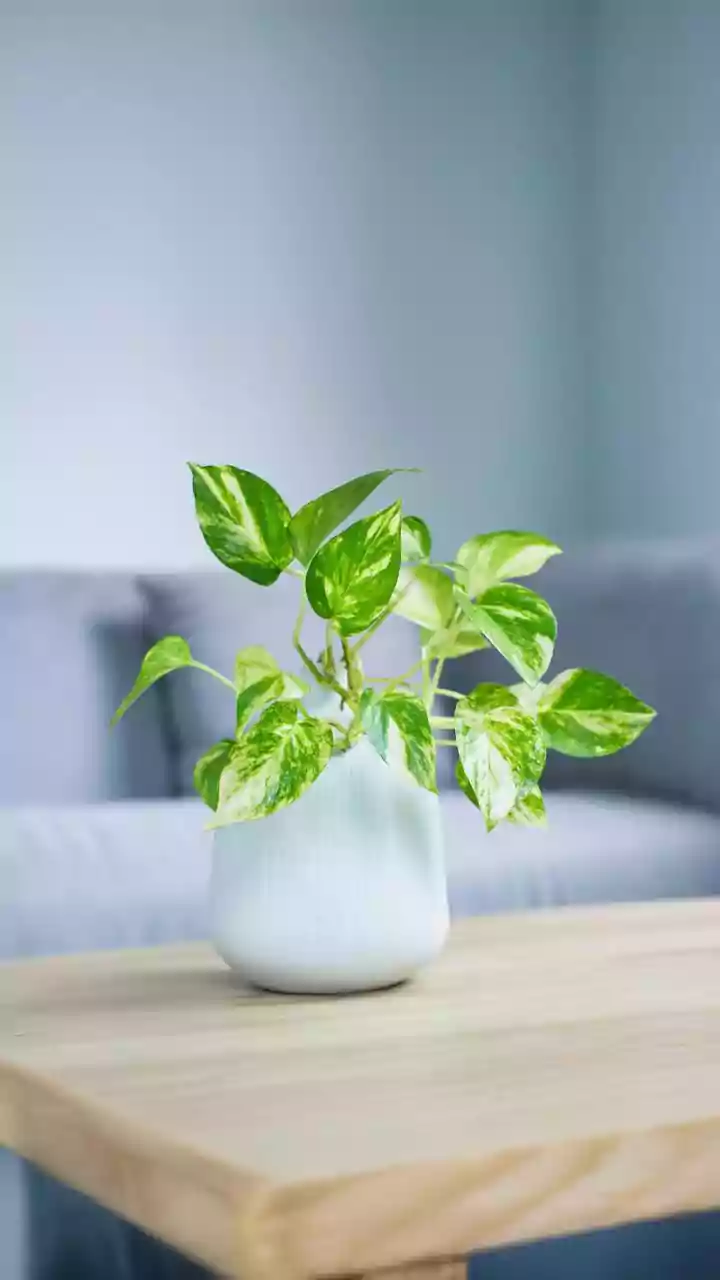
and benzene. Over 24 hours, they found that certain plants, such as the peace lily and English ivy, were remarkably effective at removing these volatile organic compounds (VOCs) from the sealed environment. The study was a sensation, creating a decades-long narrative that bringing plants indoors was a simple, natural way to combat indoor air pollution and neutralize the effects of 'sick building syndrome'.
The Reality: A House is Not a Spaceship
The problem is that your living room isn't a small, sealed lab chamber. Subsequent research has revealed critical context missing from the popular interpretation of NASA's findings. The original study's conditions don't reflect a real home, which has constant air exchange from drafts, open windows, doors, and ventilation systems. This constant airflow, known as the air exchange rate, dilutes the concentration of pollutants, making the slow work of a plant almost negligible in comparison. Scientists reviewing decades of these studies concluded that while plants do absorb VOCs, they do so at a rate that is far too slow to compete with the air exchange already happening in a typical building.
The Numbers Don't Add Up
To achieve the same air-cleaning effect as a standard ventilation system or a good air purifier, you would need an astonishing number of plants. Studies estimate you would require anywhere from 10 to 1,000 plants per square metre of floor space to make a measurable difference in air quality. For an average-sized living room, that could mean housing hundreds, if not thousands, of plants. Essentially, you would need to live in a dense greenhouse for your plants to significantly impact VOC levels. For most people, this is simply not practical.
The Real Benefits of Houseplants
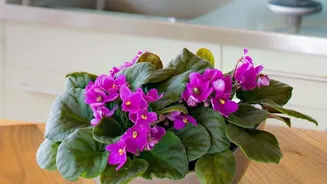
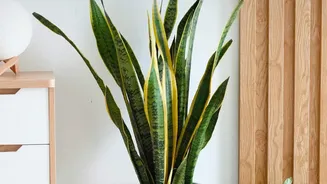
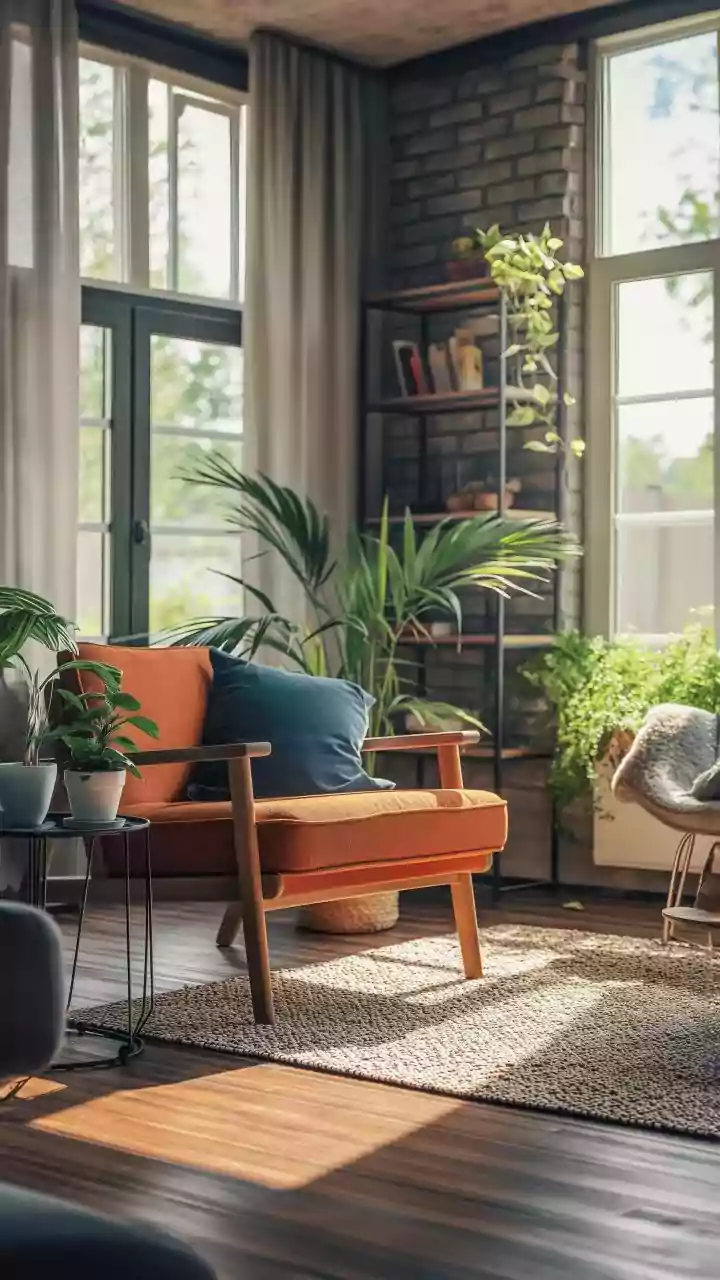
This doesn't mean you should discard your green companions. While they may not be the air-purifying powerhouses we once thought, houseplants offer numerous other proven benefits. Studies show that interacting with plants can reduce stress, improve focus and productivity, and boost your overall mood. They add natural beauty to our spaces, can increase humidity slightly (which may soothe dry throats and noses), and provide a valuable connection to nature, a concept known as biophilia. These psychological and aesthetic benefits are significant and are more than enough reason to cultivate an indoor garden.
How to Actually Clean Your Air
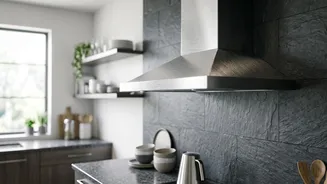
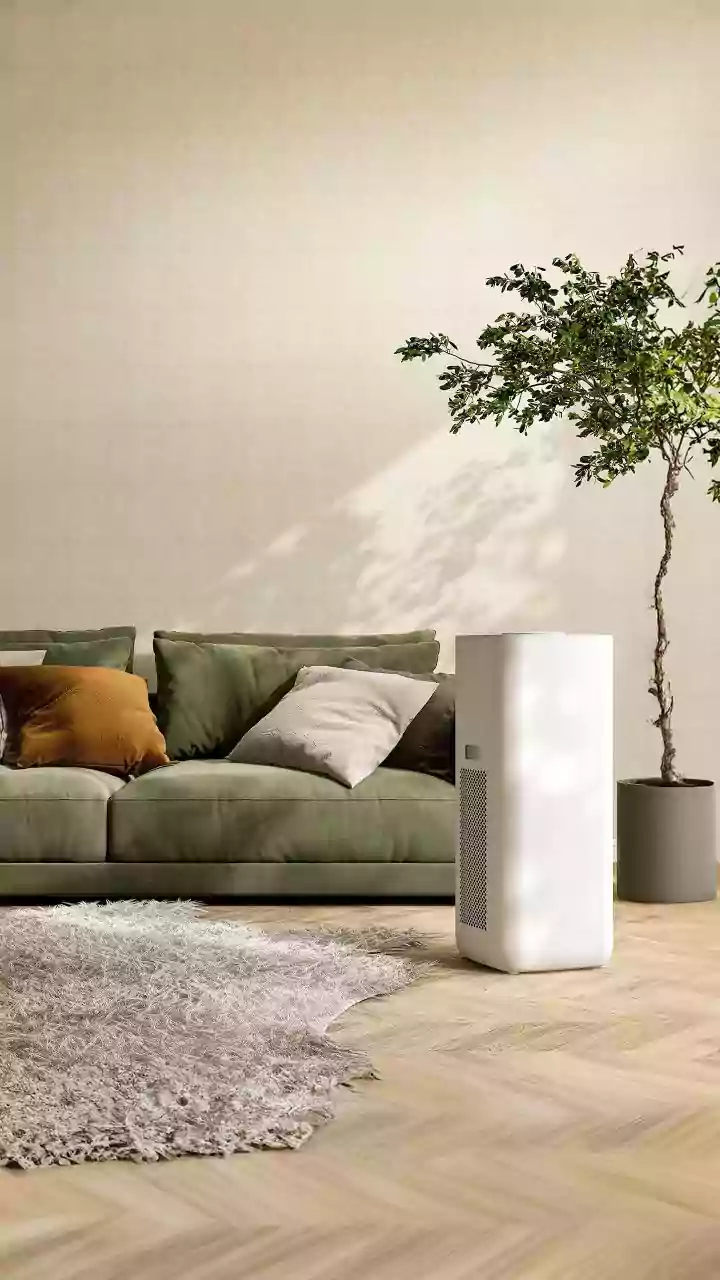
If you're serious about improving your home's air quality, there are far more effective strategies than relying on plants. The most powerful tool is ventilation. Opening your windows for even a few minutes a day can dramatically reduce indoor pollutant levels. Use exhaust fans in kitchens and bathrooms to remove pollutants at their source. You can also invest in a high-quality air purifier with a HEPA filter, which is designed to capture fine particulate matter and VOCs efficiently. Finally, practice 'source control' by being mindful of the products you bring into your home. Opt for low-VOC paints, furniture, and cleaning supplies whenever possible to reduce the amount of pollution in the first place.