

Garam Masala: The Warmth of India
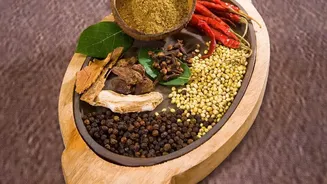
Garam Masala, which translates to 'warm spice blend', is a cornerstone of North Indian cooking. Unlike many spice mixes, it's often added near the end of cooking or sprinkled on top to preserve its potent aroma. There is no single recipe, as blends vary
by region and even family, but common ingredients include cinnamon, cloves, cumin, coriander, and both green and black cardamom. Black pepper often provides a gentle heat, but the blend's 'warmth' refers to its effect on the body in Ayurvedic tradition, not spiciness. The resulting flavour is aromatic, pungent, and slightly sweet. It brings depth to everything from lentil dals and vegetable curries to marinades for chicken and lamb.
Ras el Hanout: The Best of Morocco
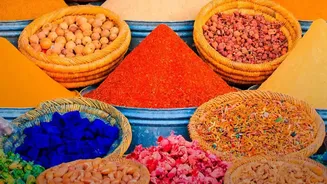
Meaning 'head of the shop' in Arabic, Ras el Hanout is a complex and aromatic blend from North Africa, particularly Morocco. The name implies it is a mixture of the best spices a merchant has to offer. Truly authentic versions can contain over 20 or even 40 different spices, with each family and shop guarding its secret recipe. Core components usually include cinnamon, cumin, coriander, turmeric, ginger, and allspice, but more exotic additions like dried rosebuds, lavender, or grains of paradise are not uncommon. The flavour is profoundly warm, woody, and fragrant with a balance of sweet and earthy notes; it is generally not spicy-hot. It's essential for flavouring tagines, couscous, and rubs for grilled meats.
Chinese Five-Spice: A Symphony of Flavours
Chinese Five-Spice powder is a foundational seasoning in Chinese cuisine, designed to incorporate all five essential flavours: sweet, sour, bitter, salty, and umami. The classic combination includes star anise, cloves, Chinese cinnamon, Sichuan peppercorns, and fennel seeds. The blend delivers a complex experience—warm and sweet from the cinnamon and star anise, fragrant from the cloves and fennel, with a unique, numbing tingle from the Sichuan peppercorns. A little goes a long way, and its potent flavour is used in marinades and spice rubs for roasted meats like duck and pork, in braised dishes, and even added to the breading for fried foods.
Za'atar: The Taste of the Middle East
Za'atar is both the name for a wild herb and the beloved spice blend popular across the Middle East. The mix itself varies, but it almost always features dried thyme, oregano, or marjoram, mixed with toasted sesame seeds and tangy sumac, which provides a bright, lemony flavour without citrus juice. This combination creates a flavour profile that is nutty, herbaceous, and tangy. Unlike spices used just for cooking, Za'atar is often used as a condiment. One of the most popular ways to enjoy it is to mix it with good olive oil for dipping warm bread. It is also baked into flatbreads, sprinkled over hummus and labneh, or used to season roasted vegetables and chicken.
Berbere: The Heart of Ethiopia
Berbere is the quintessential spice blend of Ethiopia and Eritrea, known for its fiery heat and deep red colour. It is a complex and highly aromatic mix, and like many traditional blends, the recipe varies from cook to cook. Key ingredients typically include chili peppers, garlic, ginger, fenugreek, coriander, cardamom, and allspice, all of which are often toasted to deepen their flavours before grinding. The result is a powder that is spicy, fragrant, and slightly sweet with citrus notes. Berbere forms the flavour base for many iconic Ethiopian dishes, most notably 'Doro Wat', a slow-cooked chicken stew. It is also used as a rub for meat and a seasoning for lentil and vegetable dishes.