





The Billion-Dollar Battery Problem
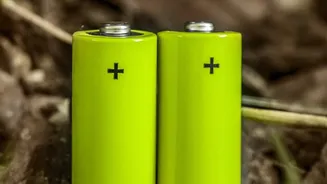
The single most expensive component in any electric scooter is its battery pack, often accounting for a massive chunk of the total price. Traditionally, developing and validating these batteries has been a slow, expensive, and labour-intensive process.
Manufacturers must conduct thousands of hours of physical tests—charging, discharging, and exposing batteries to extreme temperatures and vibrations—to ensure performance, longevity, and, most importantly, safety. This conventional method requires numerous physical prototypes, expensive testing equipment, and a lot of time. Each failed test or design change means scrapping costly materials and starting over, a process that inflates research and development (R&D) budgets and ultimately adds to the scooter's final sticker price.
Enter the Digital Twin Revolution
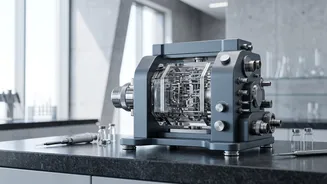
Next-generation testing flips this script by using technologies like Artificial Intelligence (AI) and 'digital twins'. A digital twin is a highly sophisticated, virtual replica of a physical battery cell or pack. Instead of building dozens of physical prototypes, engineers can create a single digital model. On this virtual battery, they can run thousands of simulations in a fraction of the time. They can simulate years of use in a matter of hours, test how the battery responds to different charging patterns, and model its behaviour under extreme Indian weather conditions without ever building a physical component. This digital approach drastically cuts down the need for expensive, time-consuming physical testing cycles.
How Virtual Tests Create Real-World Savings
The cost-saving benefits are profound. By leveraging AI and digital twins, manufacturers can accelerate their R&D timelines by as much as 50-70%. AI algorithms can analyze simulation data to predict the most efficient chemical compositions and designs, reducing material waste. This speeds up time-to-market, allowing companies to respond more quickly to consumer demands and evolving government regulations. Furthermore, by identifying potential design flaws and defects in the virtual world, companies can minimise the risk of costly real-world failures, recalls, and warranty claims. Reducing reliance on physical prototypes and accelerating development cycles directly translates into lower production costs, a saving that can be passed on to the consumer.
Building Safer Batteries, Boosting Buyer Confidence
Beyond cost, safety is a paramount concern for Indian consumers, especially given past incidents of battery fires. Next-gen testing directly addresses this. Simulating 'thermal runaway'—the dangerous process where a battery overheats and catches fire—allows engineers to design safer battery packs that are more resilient to abuse or manufacturing defects. AI can detect microscopic issues or anomalies that human-led quality control might miss. Building verifiably safer batteries not only prevents tragic accidents but also builds crucial consumer trust in the technology. This increased confidence helps grow the market, creating economies of scale that further drive down prices for everyone.
The Road Ahead for Electric Scooters in India
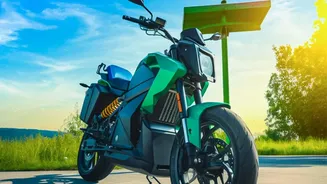
As competition in India's electric scooter market intensifies, with both startups and legacy players like Bajaj Auto and TVS Motor Company expanding their EV offerings, the adoption of these advanced testing technologies is becoming a competitive necessity. Government initiatives like the FAME-II scheme and Production Linked Incentive (PLI) schemes are pushing for localization and affordability. By integrating AI-powered testing and digital twins into their R&D process, Indian manufacturers can innovate faster, meet stringent safety standards, and, most importantly, engineer the cost-effective battery solutions needed to make electric scooters a mainstream reality for millions of Indian commuters.