







What Is New: The Limits of Catch-Up Sleep
For years, the prevailing wisdom was that you could repay your 'sleep debt' by sleeping longer on weekends. Recent studies, however, are painting a more nuanced and cautious picture. While sleeping in on a Saturday might make you feel more alert and improve
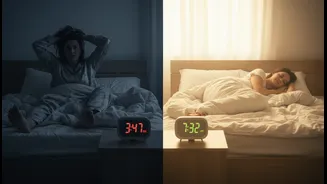
your mood temporarily, research shows it doesn't fully reverse the underlying biological impact of sleep restriction. One of the key new concepts is 'social jetlag', which describes the mismatch between your body's internal clock and your sleep schedule on workdays versus free days. This constant shifting can disrupt your circadian rhythm, similar to flying across time zones every weekend. Even after a couple of nights of recovery sleep, many metabolic markers, like insulin sensitivity, and some cognitive deficits may not return to their normal baseline. Essentially, while you might feel better after a lie-in, your body may still be grappling with the effects of the sleep lost during the week.
What Matters: The Real-World Consequences
The conversation about sleep loss matters because the consequences are significant and well-documented. Chronic sleep deprivation, even mild restriction of just an hour or two per night, has profound effects on both physical and mental health. Consistently sleeping less than the recommended seven to nine hours for adults is linked to a higher risk of serious health problems, including obesity, type 2 diabetes, high blood pressure, and heart disease. Lack of sleep impairs your immune system, making you more susceptible to infections. It also disrupts hormones that regulate appetite, which can lead to weight gain. Beyond physical health, sleep loss takes a toll on your brain. It impairs cognitive functions like attention, memory, and decision-making, which can affect job performance and increase the risk of accidents. Mood is also heavily impacted, with sleep deprivation leading to irritability, anxiety, and an increased risk of depression.
What Remains Unclear: The Lingering Questions
Despite a growing body of research, several questions about working-week sleep loss remain subjects of ongoing investigation. One of the biggest debates is about the long-term effectiveness of different recovery strategies. While weekend catch-up sleep is now seen as an incomplete solution, scientists are still exploring whether specific nap protocols or more gradual recovery periods could be more effective. For example, it can take up to four days to recover from just one hour of lost sleep. The precise dose-response relationship is also unclear; for instance, is catching up for one hour fundamentally different from three hours? Some studies suggest that modest catch-up sleep of one to two hours might be beneficial for those with significant weekday deficits, but sleeping in for longer periods could actually be associated with negative health outcomes. Furthermore, the full impact of chronic, low-grade social jetlag over a lifetime is still being mapped out. Researchers are working to understand the cumulative damage and whether there are critical periods in life where this sleep pattern is more harmful.
The Case for Consistency
Given the limitations of catch-up sleep, experts increasingly emphasize consistency. Maintaining a regular sleep-wake schedule, even on weekends, is considered the gold standard for healthy sleep. This helps to stabilize your body's internal clock, or circadian rhythm, leading to better quality sleep and improved daytime alertness. While the idea of waking up at the same time on a Sunday as you do on a Monday might seem daunting, sleep experts recommend keeping your weekend wake-up time within about an hour of your weekday schedule. This small adjustment can help prevent the jarring feeling of social jetlag and make Monday mornings more manageable. Adopting good sleep hygiene practices—like creating a relaxing bedtime routine, limiting screen time before bed, and ensuring your bedroom is dark and cool—can also make it easier to fall asleep and stay asleep, helping you get the rest you need every night of the week.