







The Rise of the Label-Literate Consumer
For decades, food marketing was a game of flashy promises on the front of the box: “Low Fat!” “High Protein!” “All Natural!” But a new generation of shoppers, particularly millennials and Gen Z, has learned to ignore the hype and head straight for the back.
Armed with an unprecedented amount of nutritional information from social media and wellness influencers, they’re becoming fluent in the language of ingredient lists and nutrition facts panels. This isn't just about counting calories; it’s about ingredient quality, sourcing, and transparency. They’re not just asking “Is this good for me?” but also “What am I actually putting in my body?” This skepticism toward legacy brands and their often lengthy, chemical-sounding ingredient lists has created a massive opening for newer, simpler products.
Decoding the 'Clean' Label
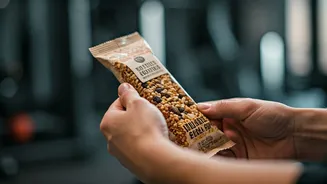
So what are these savvy gym-goers looking for? The answer is often what’s *not* there. They are actively avoiding artificial sweeteners like sucralose and aspartame, sugar alcohols like erythritol that can cause digestive issues, and mysterious “gums” and fillers like carrageenan. The red flags are long, unpronounceable chemical names and anything that sounds like it was made in a lab, not a kitchen. Instead, they’re seeking out “clean” labels. This term isn’t regulated, but to consumers, it means a short list of recognizable, whole-food ingredients. Think dates for sweetness instead of corn syrup, or nut butter for binding instead of soy protein isolate. The ideal bar has a label that reads more like a recipe you could make at home, fostering a sense of trust and authenticity that many mass-market products have lost.
Why Millet? The Ancient Grain Renaissance
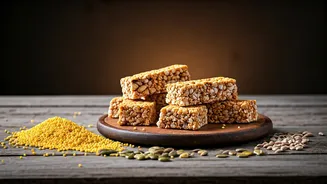
This brings us to millet. For years, it was relegated to birdseed in the U.S. consciousness. Now, it’s a star player in the ancient grains movement, alongside quinoa, amaranth, and sorghum. For the health-conscious consumer, millet ticks all the boxes. It’s a nutritional powerhouse—naturally gluten-free, high in protein and fiber, and packed with minerals like magnesium. Its mild, nutty flavor makes it a versatile base for a snack bar, and puffed millet can provide a satisfying crunch without the heavy processing of other cereals. Furthermore, millet has a sustainability halo. It’s a drought-resistant crop that requires fewer resources to grow than wheat or corn, an attribute that resonates deeply with an environmentally aware demographic. It feels both ancient and innovative, a perfect ingredient for a consumer looking for something both wholesome and new.
The Powerful Allure of 'Regional'
The final piece of the puzzle is the move toward regional brands. While a national protein bar giant might produce millions of bars in a massive factory, a regional company often implies a smaller, more hands-on operation. This locality creates a powerful narrative. To a young consumer, “regional” suggests freshness, accountability, and a connection to a specific community. It feels more transparent and less corporate. These smaller brands often lean into unique, locally inspired flavors and build a loyal following through farmers' markets and independent health food stores before scaling up. Buying a bar from a company based in, say, Austin or Boulder feels like supporting a small business and getting a product made with more care—a stark contrast to grabbing a faceless bar that’s available in every gas station across the country.