





Managing Expectations: What Plants Can Really Do
Before turning your flat into a jungle, it's important to understand what plants can and cannot do. A famous 1989 NASA study showed that plants could remove volatile organic compounds (VOCs) like formaldehyde and benzene from the air. However, this study was
conducted in small, sealed chambers, and later research has shown its findings don't directly translate to a typical home. To match the air-cleaning capacity of a standard ventilation system, you would need an impractically large number of plants, somewhere between 10 to 1,000 per square metre. While plants are not a substitute for high-efficiency particulate air (HEPA) purifiers, especially for PM2.5 particles, they are not useless. They can modestly reduce some pollutants and, significantly, improve mental well-being, reduce stress, and add humidity to dry indoor air. Think of them as a valuable, living supplement to a broader clean-air strategy.
Strategy 1: Choose Your Green Champions
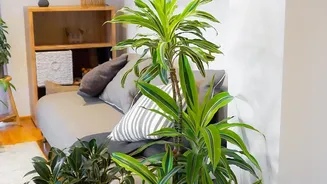
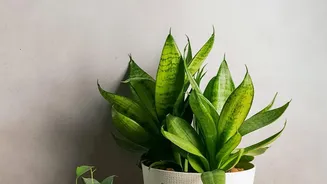
Certain plants have gained a reputation for their air-purifying capabilities and resilience in Indian homes. While most studies focus on VOCs, some research suggests certain plants can help reduce particulate matter too. A study found that the Spider Plant, for instance, was effective at absorbing PM. Here are some top choices that are readily available and relatively easy to care for in an apartment setting: Snake Plant (Sansevieria trifasciata): A powerhouse of a plant, it's known for filtering formaldehyde and benzene. It is famously low-maintenance, tolerates low light, and releases oxygen at night, making it ideal for bedrooms. Spider Plant (Chlorophytum comosum): This plant is a champion at removing formaldehyde and xylene. It's also safe for pets and very easy to propagate, so you can easily grow your collection. Money Plant (Epipremnum aureum): A staple in many Indian households, the Money Plant is effective against toxins like formaldehyde and benzene. It’s incredibly hardy and can thrive in various light conditions. Areca Palm (Dypsis lutescens): This popular plant helps remove toxins like xylene and toluene. It also acts as a natural humidifier, which can be a boon during the dry winter months in Delhi. * Peace Lily (Spathiphyllum): Known for its beautiful white blooms, the Peace Lily can help absorb ammonia, benzene, and formaldehyde. It prefers shady spots and consistently moist soil.
Strategy 2: The Power of Plant Density
One lonely plant in the corner of a large living room won't make a noticeable difference in air quality. The key is density. NASA's original recommendation was to have at least one plant per 100 square feet of space to have an effect. For a real-world impact in a polluted city like Delhi, you should aim for more. Create 'green zones' by clustering several plants together in the areas where you spend the most time. Grouping three to five plants on a table near your favourite armchair, on your bedside table, or around your work-from-home desk can create a pocket of cleaner, more humid air. This concentrated approach is more effective than scattering individual plants throughout your home.
Strategy 3: Smart Maintenance for Better Filtering
A healthy, well-cared-for plant is a more effective air filter. The leaves are the primary surface for absorbing gases and trapping particulates. When they are covered in a layer of household dust, their ability to purify the air is significantly reduced. Make it a weekly habit to gently wipe the leaves of your plants with a damp cloth. This not only helps the plant 'breathe' and photosynthesize better but also maximizes its air-cleaning potential. Also, be mindful of watering. Overwatering can lead to mould growth in the soil, which can release spores into the air and negatively impact air quality. Ensure your pots have good drainage and allow the top inch or two of soil to dry out before watering again.
Strategy 4: A Holistic Clean Air Approach
Relying solely on plants to combat Delhi's severe pollution is not a realistic strategy. They should be part of a multi-layered defence system for your home. On days with very high AQI, the most effective measures include running an air purifier with a HEPA filter, which is specifically designed to capture fine particulate matter like PM2.5. Keep windows and doors sealed during peak pollution hours to prevent outdoor pollutants from entering. Regular wet mopping and vacuuming with a HEPA-filter vacuum can also help manage the dust and particulate matter that settles on surfaces. By combining these mechanical methods with the natural, mood-boosting benefits of indoor plants, you create a much more robust and healthy indoor environment.