







The Allure of Unmatched Speed
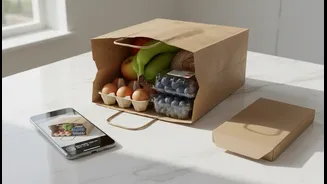
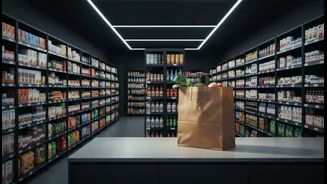
The primary benefit of quick commerce is, of course, speed. Platforms like Blinkit, Zepto, and Swiggy Instamart have built vast networks of 'dark stores'—small, neighbourhood-level warehouses—to get essentials to your doorstep in minutes. This model has
revolutionised shopping for impulse buys and top-up needs, making it possible to get a forgotten ingredient mid-recipe or satisfy a late-night craving almost instantly. For busy urban households, this on-demand service offers unparalleled convenience, saving trips to the local kirana store. The platforms are also expanding their catalogues beyond just groceries, now offering everything from electronics and beauty products to stationery, making them a one-stop shop for urgent needs.
Unpacking the True Costs
While the convenience is clear, the costs can be less so. Beyond the price of the items, consumers should look for platform fees, small order fees, and surge pricing during peak hours, which can inflate the final bill. While some platforms may waive delivery fees on orders above a certain value, the overall cost of a basket of goods might still be higher than at a local supermarket. To stay competitive, these services often run promotions and discounts, but their business model relies on high volume and impulse purchases. Consumers may find themselves buying extra items just to meet a minimum order value for free delivery, leading to unplanned spending. It pays to compare prices across different apps and with your local store before placing an order.
Navigating Product Limits and Quality
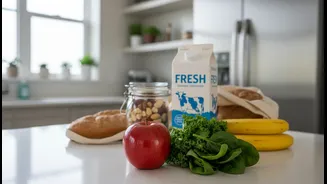
The speed of q-commerce comes with a significant limitation: a curated, and therefore smaller, selection of products. Dark stores typically stock only 2,000-3,000 of the most popular items, so you won't find the same variety as in a large supermarket. This is especially true for fresh produce, where choice may be limited. Furthermore, food safety and hygiene have become major concerns. Following inspections that revealed issues like improper storage and unhygienic conditions in some dark stores, food safety authorities have increased their scrutiny. Packaged food companies have also raised concerns about how their products are handled, as odour transfer and temperature control can be issues in these fast-paced environments. While platforms are being directed to improve standards, it's wise for consumers to inspect perishable goods upon delivery.
The Human Cost of 10-Minute Delivery
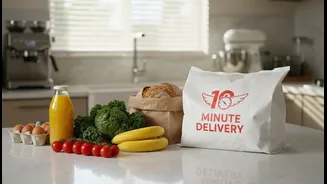
The promise of ultra-fast delivery has a significant human cost, placing immense pressure on delivery riders. To meet tight deadlines in congested city traffic, riders often resort to speeding and breaking traffic rules, leading to a higher risk of accidents. In early 2026, amid growing concerns and protests from worker unions over safety, the Indian government directed platforms to stop advertising specific '10-minute delivery' promises. While companies like Blinkit and Zepto complied by removing these slogans, the underlying algorithmic pressure for speed often remains. As a consumer, being patient and understanding that a few extra minutes of delivery time can contribute to a rider's safety is a crucial ethical consideration.