



The Rise of the 15-Second Story
In just a few years, platforms like TikTok, Instagram Reels, and YouTube Shorts have fundamentally changed how we consume media. They offer a never-ending buffet of content, where each swipe delivers a new, bite-sized burst of emotion, humour, or information.
The appeal is rooted in brevity and immediacy, perfectly suited to a world that values instant gratification. This constant stream of quick-hit videos has trained our brains to expect novelty at a relentless pace. Every scroll is a small gamble that might deliver a hilarious meme, a stunning visual, or a useful life hack, creating a powerful feedback loop that keeps us engaged. This format has proven so effective that it's no longer a niche corner of the internet; it's a dominant force in digital media.
Your Brain on 'Binge-Scrolling'
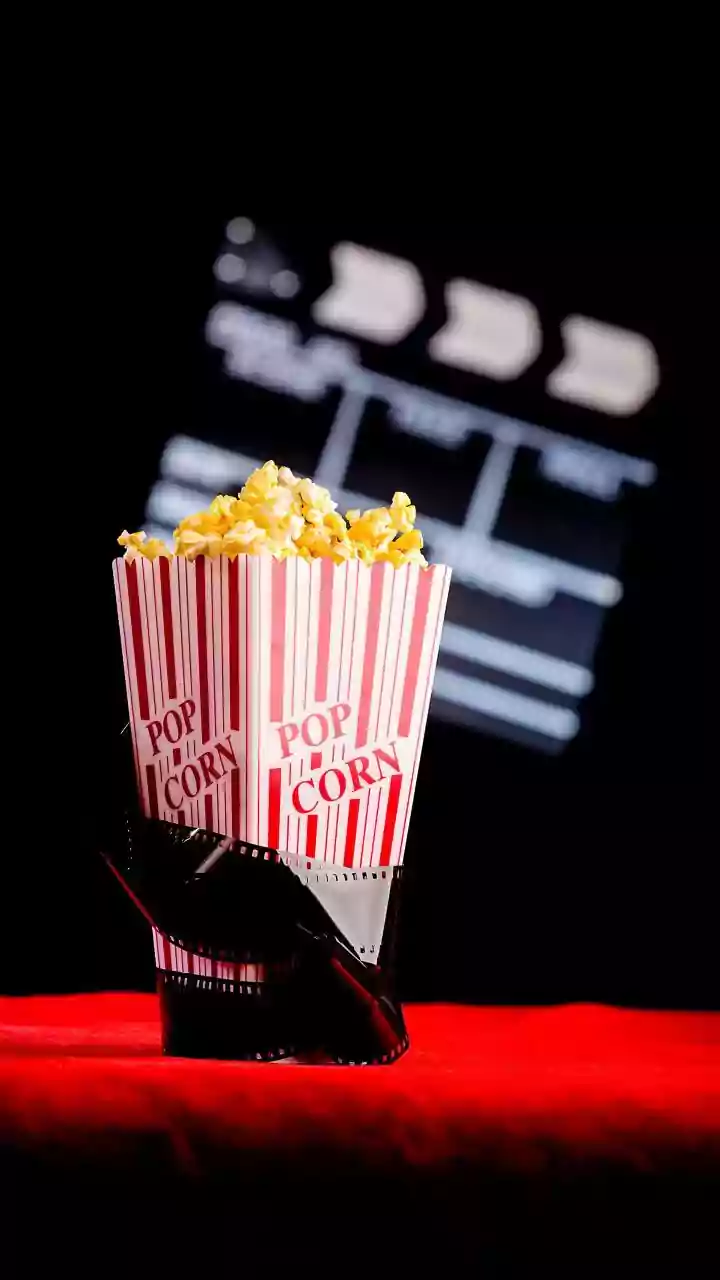
This shift in media consumption isn't just a habit; it's having a measurable neurological impact. Neurologists and researchers describe how short-form video can hijack the brain's dopamine reward system. Each quick, engaging video provides a small hit of the feel-good chemical, and before the effect fades, the next video triggers another. This process can make slower, more deliberate activities—like reading a book or watching a film with a gradual build-up—feel less rewarding by comparison. Studies have linked heavy use of short-form video to deficits in attention, working memory, and the ability to control impulses. The term 'popcorn brain' or 'brain rot' has emerged to describe the feeling of mental fog and difficulty concentrating that can follow prolonged scrolling sessions. Essentially, our brains are being rewired to prefer and seek out constant, rapid-fire stimulation, which makes sustained focus feel like hard work.
The Slow Burn vs. The Short Fuse
For feature films, this presents a significant challenge. The traditional cinematic language often relies on patience: long takes to build atmosphere, quiet moments for character development, and intricate plots that unfold gradually. But for an audience accustomed to 15-second narratives, these moments can feel like dead air. The impulse to reach for a second screen is now the norm, with studies showing that a vast majority of people use their phones while watching TV or movies at home. This fractured attention means viewers are more likely to miss subtle plot points or emotional cues, leading to a less satisfying experience. While some might argue this indicates a decline in patience, others suggest it's a shift toward more selective attention. Audiences will still commit to long-form content, but the story has to earn their undivided focus from the very beginning.
How Hollywood is Adapting
The film industry is taking notice. In response to these changing habits, we're seeing a shift in both filmmaking and marketing. Movie trailers are becoming shorter and punchier, designed to grab attention within the first few seconds to be effective on social media feeds. Studios are creating micro-content like behind-the-scenes clips and memes specifically for platforms like TikTok to generate buzz. Some filmmakers are experimenting with faster editing styles and more frequent plot developments to keep viewers hooked, essentially adopting the pacing of social media content. However, there's a fascinating paradox at play: while audiences report a preference for shorter movies, some of the biggest box office successes in recent years have been epics clocking in at nearly three hours or more. This suggests that while casual viewing has been transformed, audiences are still willing to invest significant time in an immersive theatrical experience that demands their full attention, something a phone screen can't replicate.